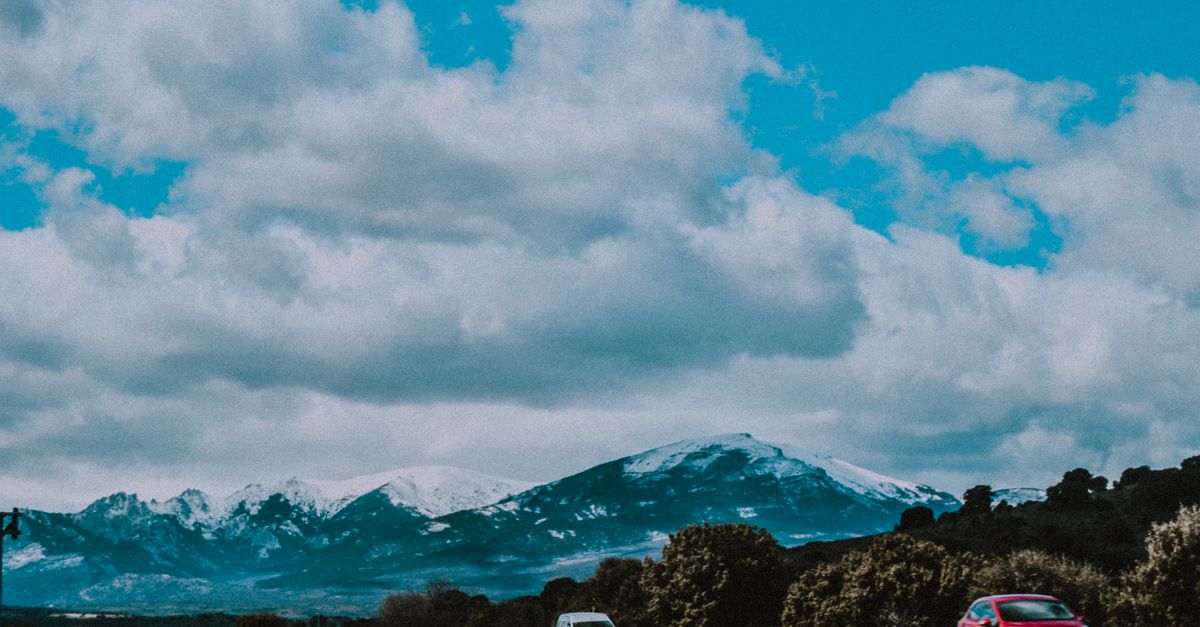
Driving in Spain: Rules, Tolls, Parking and Rental Tips
Driving in Spain made practical: speed limits, toll roads, city parking, rental car deposits and road-trip advice for visitors.
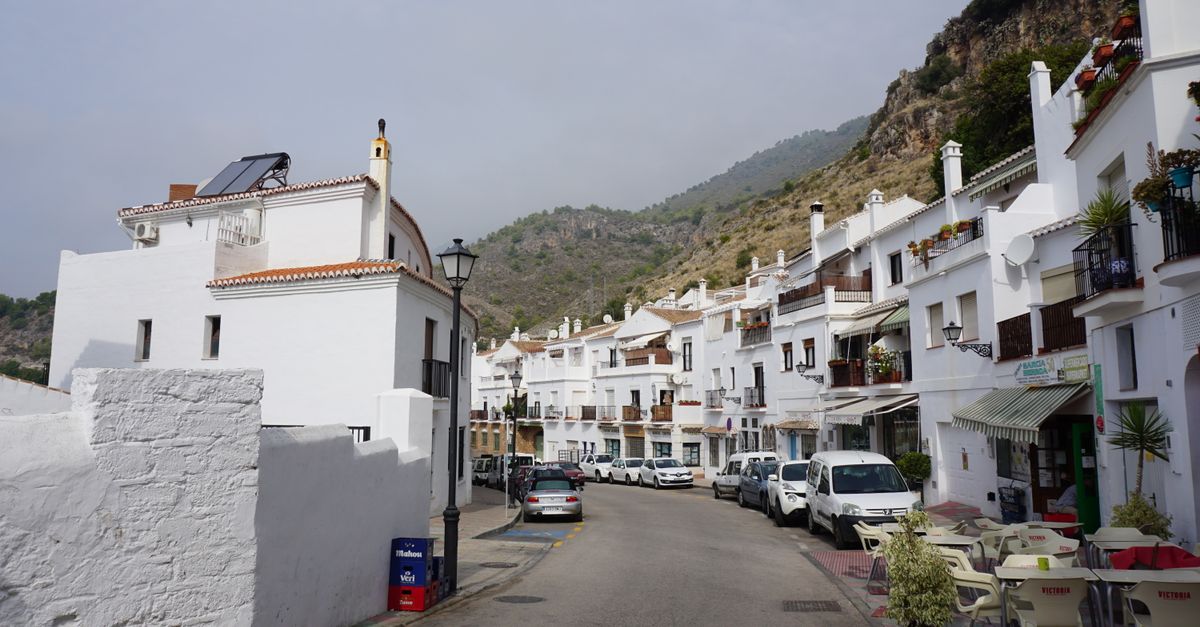
Spain is a great country to drive in once you separate two things: the open road and the city centre. Motorways are generally good, distances are clear and road trips are easy. Historic centres, beach towns in August and big-city parking are the parts that create stress.
If you rent with that in mind, driving in Spain is straightforward, and a few real numbers help more than vague reassurance.
Basic rules
Spain drives on the right, seatbelts are mandatory for everyone in the car, and handheld phone use at the wheel carries a fine and points, not a warning. Speed limits are lower than most visitors expect, and they depend on the road rather than one blanket number: 120 km/h on motorways and dual carriageways (autovías/autopistas), 100 km/h on some ordinary roads with a paved hard shoulder, and 90 km/h on the rest. In towns, the default changed in 2021: most streets with one lane in each direction are now 30 km/h, narrow residential streets are 20 km/h, and 50 km/h only survives on wider roads with two or more lanes per direction. A speed camera doesn’t care that you assumed the town limit was still 50.
Drink-driving limits are stricter than in the US, UK or most of Latin America: 0.5 g/l of blood (0.25 mg/l on a breath test) for regular drivers, dropping to 0.3 g/l (0.15 mg/l) if you’ve held your licence less than two years or drive for a living. Police run checkpoints often, especially on weekend nights and during local fiestas.
One rule catches out more tourists than any other. At junctions with no signs or road markings (common in villages and old-town backstreets), priority goes to whoever’s coming from the right, known locally as prioridad a la derecha, not whoever arrives first or is already moving. If a car is approaching from a side street on your right with no stop or yield sign in sight, it has the right of way over you.
Roundabouts are common. Traffic already circulating has priority, and the outside lane is for leaving. Locals do not always make it elegant; drive defensively and signal before you exit.
Every car registered in Spain, rental cars included, must carry a V16 connected beacon instead of the old warning triangles as of January 2026. It flashes from the roof if you break down, so you don’t have to walk out into traffic to place a triangle yourself. Rental agencies fit it as standard; you don’t need to buy anything.
Compare rental cars in Spain →
What you actually need to drive
EU and EEA licences work as they are. UK licences on a photocard don’t need anything extra; only old paper licences, or ones issued in Gibraltar, Jersey, Guernsey or the Isle of Man, need an International Driving Permit (IDP). If you’re coming from the US, Canada or Australia, sort the IDP before you fly. It’s typically a same-day errand through your national motoring club (AAA, CAA and similar), and it travels alongside your regular licence rather than replacing it. You need to be 18 to drive and usually 21 (sometimes 23, depending on the car class) to rent, with a licence held for at least a year.
Manual transmission is still the default in Spain. Automatics exist, mainly at the big airports in Madrid, Barcelona, Málaga and Valencia, but they sell out first in summer and around Easter and Christmas. If nobody in your group drives stick, book the automatic weeks ahead rather than hope for one at the counter.
Tolls and motorways
Spanish roads use different labels. Autopistas and autovías are the main fast roads. Some autopistas are tolled, shown with peaje signs; autovías are free by design. Several former toll roads have gone free over the years: Madrid’s four “radiales” (R-2, R-3, R-4, R-5) were taken over by the state and stopped charging in 2018, and they’re still among the fastest ways out of the capital. Don’t assume every fast road is free, though. Stretches of the AP-7 along the Mediterranean coast and the AP-68 through the Ebro valley still charge.
A contactless card usually works in the automatic lane at the barrier; carry a backup card and some cash anyway. Via-T tags for hands-free tolling belong to locals with a transponder fitted in their own car, so a rental won’t have one.
If you are also visiting Portugal or Italy, the toll systems change a lot; our guides to driving in Portugal and toll roads in Italy explain the differences.
Cities: park, then walk
Madrid, Barcelona, Seville, Valencia and Granada are not places where a rental car improves the day. Use metro, bus, taxi or walking, and pick the car up on your way out of town instead.
Madrid and Barcelona also run low-emission zones (ZBE) that restrict older, more polluting vehicles regardless of the day’s air quality. Barcelona’s Rondas ZBE is a permanent restriction, not something triggered only on high-pollution days: it runs Monday to Friday, 7am to 8pm, across the zone inside the ring roads, with no restriction on weekends or holidays. Madrid’s version (Madrid 360 / ZBEDEP) covers the whole municipality with a stricter core around the centre. Mainstream rental fleets are usually compliant with the label requirements in both cities, but ask at the counter if you’re renting an older or unusual vehicle. A zone camera catches a non-compliant car automatically, and the rental company will pass the fine on to you with an admin fee added.
Where parking is allowed, Spanish cities use a colour-coded bay system: blue bays (zona azul) are paid short-stay parking with a time limit, green bays are for residents only, and white or unmarked bays are usually free, though rules vary by city, so check the nearest ticket machine or sign.
For old towns, book accommodation with parking or leave the car in a public garage outside the centre. Never follow a local car into a restricted street without reading the signs, and watch the height barrier on underground car parks: SUVs and vans over roughly two metres won’t fit.
Where a car is worth it
A rental car shines in Andalusia, Galicia, the Basque coast, Asturias, the Pyrenees, the Canary Islands and Mallorca. It also helps with wine regions, rural hotels and beaches away from the main resorts.
Based in the capital, our weekend trips from Madrid guide covers ten routes under three hours away. Heading to the islands, the Mallorca car rental guide covers pickup points and insurance. For inspiration further afield, see our route through northern Spain if you read Spanish, or the English guide to road trips in Europe.
Rental car tips
Choose a compact unless you need the space; it will fit through old-town streets and car parks that were never built with today’s SUVs in mind. Check the deposit, fuel policy, mileage cap and whether cross-border travel is allowed if you plan to cross into Portugal, France or Andorra, since some contracts charge extra for it or ban it outright. Photograph the car at pickup and return (wheels, mirrors, roof and fuel level) before you leave the lot; it’s the easiest way to dispute a damage charge that wasn’t there when you drove off.
Driving in Spain is not difficult. The clever move is timing: rent when leaving the city, return before the urban part of the trip, and let the car do what it does best: connect the places trains do not.
Ready to book your car?
Compare prices, free cancellation and pay at pickup. No surprises.
View rental prices →