Driving in Portugal: A Practical Road-Trip Guide
Driving in Portugal made simple: how the toll system works, where parking gets tricky, and the best road trips from Lisbon to the Algarve.
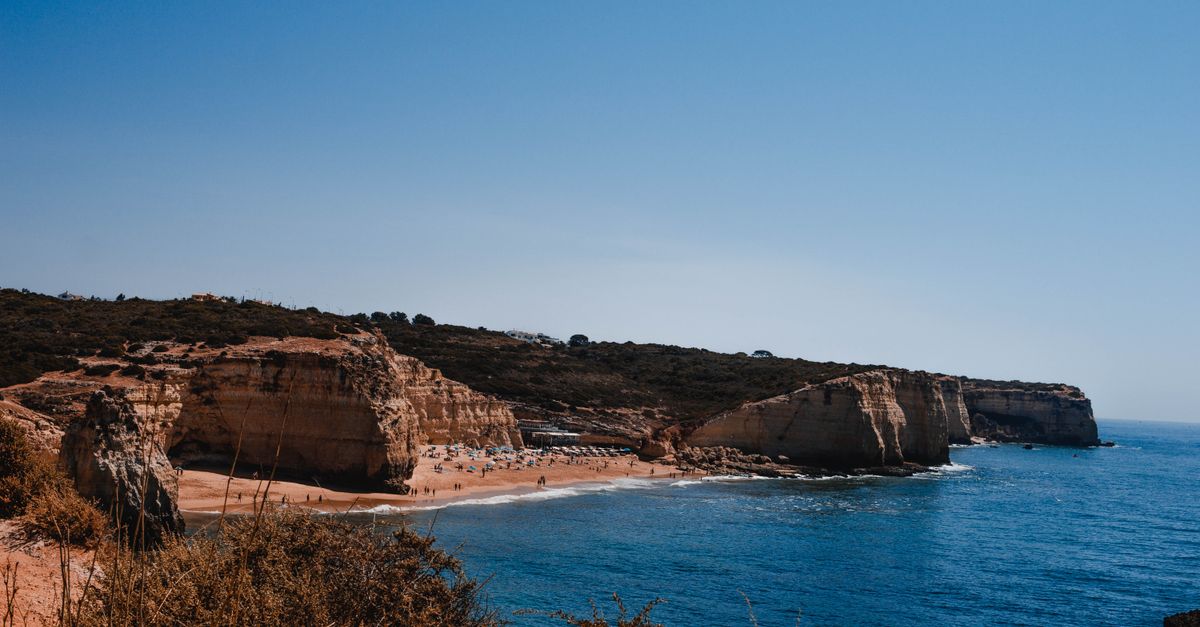
A car turns Portugal from a list of cities into one long, easy coastline. You can have breakfast in Lisbon, lunch in a fishing village you’d never reach by train, and watch the sun drop behind the cliffs at Cabo de São Vicente — all without checking a timetable once. The roads are good, fuel is everywhere, and the country is small enough that nothing feels far. The one thing that catches people out isn’t the driving. It’s the tolls.
The toll system is the real gotcha
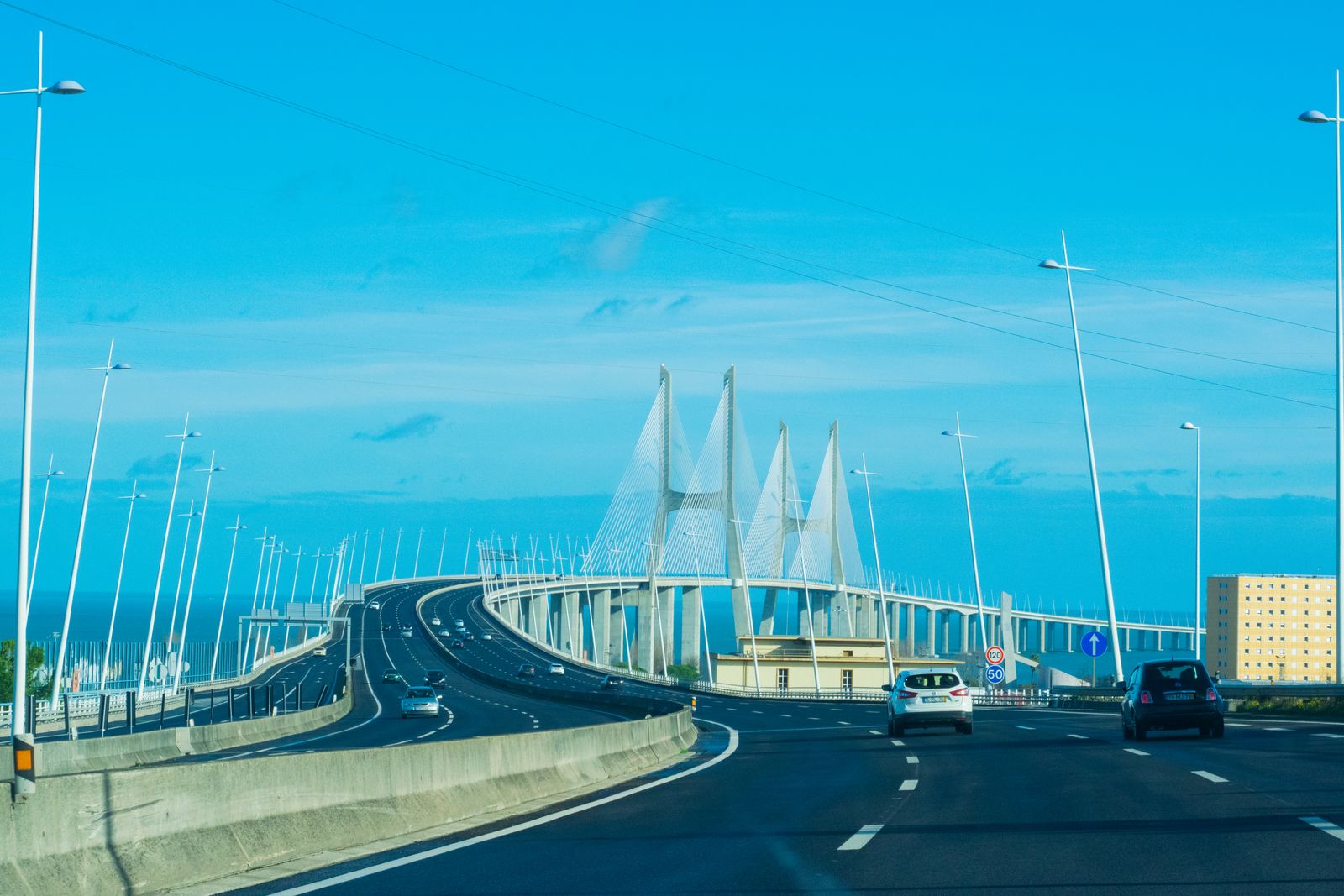
Portugal drives on the right, the same as the rest of mainland Europe, so if you’ve driven in Spain or France you’ll feel at home in about five minutes. What trips up visitors is how some motorways collect their tolls.
Plenty of Portuguese motorways still have normal booths where you take a ticket and pay with cash or card on the way out. But several are electronic-only, with no booths at all. Overhead gantries read a transponder in the car and bill you automatically. If your car isn’t set up for it, there’s no way to pay on the spot — and the unpaid toll comes back later as a fine, usually passed on by the rental company with an admin fee bolted on top.
The roads to watch:
- A22 (Via do Infante) — the main motorway across the Algarve. Electronic-only.
- A28 — the coastal route north of Porto toward Viana do Castelo. Electronic-only.
- Several other “ex-SCUT” motorways (the A23, A24, A25 and others) work the same way.
The fix is simple: make sure your hire car has a Via Verde transponder (the little box on the windscreen) and confirm exactly how tolls are charged before you drive off. This is the single most important question to ask at the pickup desk — don’t assume it’s included.
Ask at the counter: “Does this car have a Via Verde transponder, and how are the electronic tolls billed back to me?” Get the answer before you sign.
If you’d rather skip tolls altogether, you can. Set your sat-nav or phone maps to avoid tolls and you’ll be routed onto the older national roads, the N-roads. They’re slower but often prettier — the N125 along the Algarve coast and the N222 through the Douro valley are trips in their own right.
Lisbon and Porto: park on the edge, not in the middle
Both cities are gorgeous and both are a headache to drive in. The old quarters — Alfama in Lisbon, the Ribeira in Porto — are a tangle of steep, narrow streets, some barely wider than the car, with trams, delivery vans and pedestrians all sharing the same cobbles. Add the hills and a manual gearbox you’re not used to, and it gets stressful fast.
The smart move is to keep the car for the open road, not the city centre:
- Pick a hotel with parking, or use a guarded car park (look for the blue P signs) and leave the car there while you explore on foot, by tram or by metro.
- Avoid the historic centres at peak times. Lisbon’s 25 de Abril bridge is the main southern entry into the city and charges a toll heading into Lisbon (northbound), so keep a card or some change handy.
- Watch for blue-painted zona azul parking bays. They’re metered and time-limited; pay at the kerbside machine and leave the ticket on the dash.
A good rhythm is to base yourself in the city without a car for a couple of days, then collect the rental when you head out to the countryside. You skip the hardest driving and you’re not paying for parking you aren’t using.
Compare car hire deals across Portugal on DiscoverCars →
The road trips worth renting for
This is where a car earns its keep. Three trips stand out, and each one is far easier with your own wheels than on public transport.
Sintra
Half an hour from Lisbon and you’re in a forest of fairy-tale palaces — Pena, the Moorish castle, Quinta da Regaleira. The catch: Sintra’s village roads are tight and clog up badly in summer, and parking near the palaces is limited. Go early, leave the car a little further out, and walk or take the local shuttle up the hill. The drive itself, winding through the Serra de Sintra, is part of the fun.
The Algarve
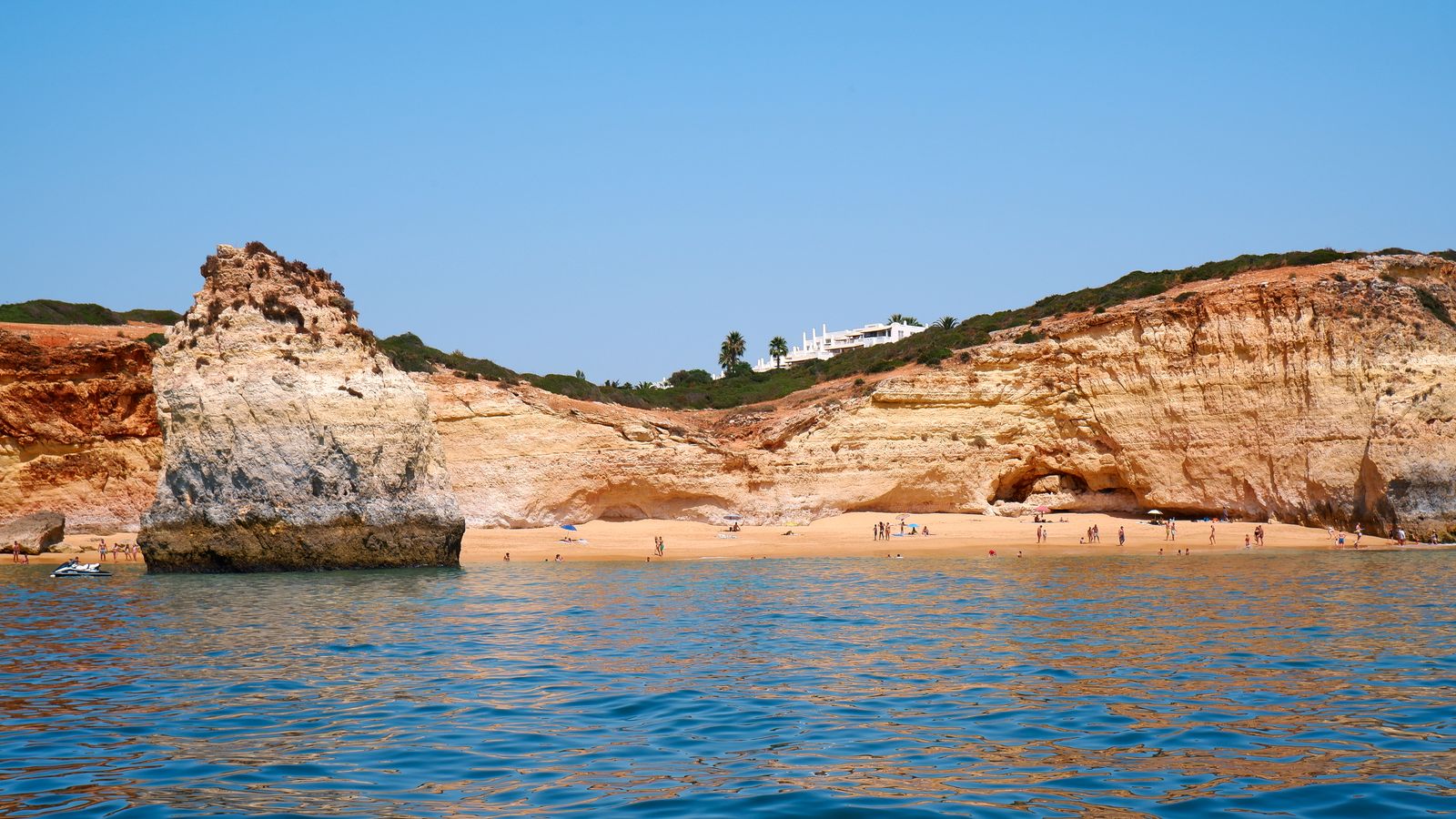
The south coast is built for a road trip. From Faro you can string together Tavira, the beaches around Lagos, and the wild western tip at Sagres and Cabo de São Vicente over a long, lazy week. Distances are short — Faro to Lagos is roughly 85 km — so you’re rarely driving more than an hour between stops. Just remember the A22 across the region is electronic-toll, or hug the slower coastal N125 instead.
The Douro valley
Inland from Porto, the Douro is one of Europe’s great driving roads: terraced vineyards dropping to the river, hairpins, and tiny quintas where you can stop for port. The N222 between Peso da Régua and Pinhão regularly turns up on lists of the world’s best drives, and it’s an easy day or two out of Porto. Take it slowly — the bends never let up, and you’ll want to stop for photos every five minutes anyway.
Fuel, speed limits and the small stuff
A few practical things that smooth out the trip:
- Fuel is easy to find, with stations on every motorway and in every town. Diesel (gasóleo) and petrol (gasolina, 95/98) are clearly labelled. Most stations take cards, though some rural ones may be cash-only — so don’t run the tank to empty out in the back country.
- Speed limits are 120 km/h on motorways, 90 on open roads and 50 in towns unless a sign says otherwise. They drop quickly on the approach to villages.
- Roundabouts are everywhere, and traffic already on the roundabout has priority.
- Belts and basics: seatbelts are required for everyone, and using a handheld phone while driving is illegal. Carry your licence, the rental documents and your passport or ID.
- An EU or UK licence is fine. If your licence isn’t in the Roman alphabet, bring an International Driving Permit alongside it.
Picking the right car
For most trips a small petrol hatchback is the sweet spot — easy to thread through old-town streets, cheap on fuel, simple to park. Size up only if you genuinely need the boot space or you’re heading into the mountains with a full load.
Two things to decide before you book. First, automatic or manual: manuals are the norm here, so if you only drive automatics, filter for one specifically and book early — they sell out and they cost more. Second, where you collect: airport pickups at Lisbon, Porto and Faro have the widest choice, and a one-way rental (collect in Porto, drop in Faro, say) lets you drive the length of the country without doubling back.
Whatever you land on, compare a few suppliers before you commit, check the fuel and toll policy in the terms, and read what the deposit and insurance excess actually come to. A few minutes there spares you the nasty surprises at the desk — and leaves you free for the part that made you rent a car in the first place: the road.
Ready to book your car?
Compare prices, free cancellation and pay at pickup. No surprises.
View rental prices →