Car Rental in Portugal: Tolls, Costs and Where You Actually Need One
Renting a car in Portugal? The A22 toll is gone since 2025, what's still tolled, real 2026 prices, and why you need a car in the Algarve but not Lisbon.
Portugal has one big advantage over most of southern Europe right now: since January 2025, half the toll roads that used to catch tourists out are simply free. That single change rewrites a lot of what’s been written about renting a car here, including a chunk of the advice still floating around. Here’s what’s actually true in 2026, region by region.
Do you actually need a rental car in Portugal?
Not everywhere, and not for everyone. Central Lisbon and Porto are dense, hilly and built for feet and trams long before cars existed — the metro, Lisbon’s Cascais and Sintra train lines, and Porto’s own metro cover the tourist circuit better than a car ever will, and parking in either old town is expensive when it’s available at all.
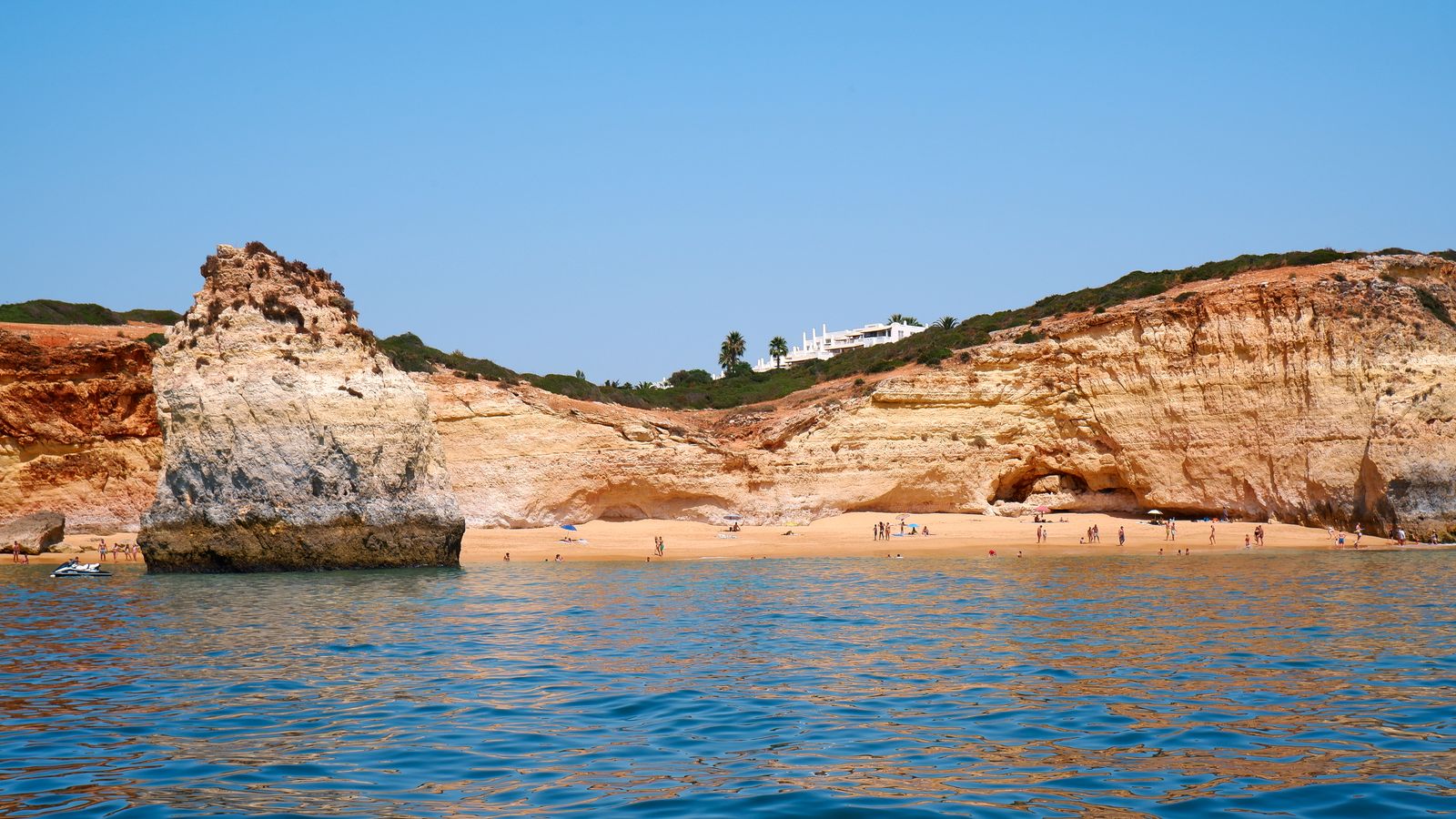
Outside the two big cities, the calculation flips. The Algarve’s coastline is a string of towns — Lagos, Albufeira, Tavira, Sagres — connected by buses that run once or twice a day, which makes hopping between beaches on your own schedule impractical without a car. The Douro Valley is worse for public transport: the train line follows the river, but the best quintas and viewpoints sit up narrow roads a bus will never take. Rural Alentejo and the interior north are similar. If your trip touches any of these, book the car; if it’s a long weekend in Lisbon and a day trip to Sintra by train, skip it.
Minimum age and requirements
The minimum age at most Portuguese rental companies is 18, though under-25s pay a young driver surcharge almost everywhere.
| Age | Situation |
|---|---|
| 18–20 | Surcharge + category restrictions at some companies |
| 21–24 | Young driver surcharge (typically €8–15/day) |
| 25+ | Standard rate |
A full driving licence and passport or ID card are required at pickup. EU, UK, US, Canadian and Australian licence holders don’t need an International Driving Permit; if your licence isn’t in the Roman alphabet, carry one anyway. These basics are fairly standard across the region — our car rental requirements guide covers the finer points if you’re comparing more than one country.
What a rental car actually costs in 2026
| Category | Low season | High season |
|---|---|---|
| Economy | €16–26/day | €32–52/day |
| Compact | €22–34/day | €40–62/day |
| Midsize SUV | €40–60/day | €68–100/day |
Faro, Lisbon and Porto airports all have strong competition between international brands and local agencies, which keeps rates reasonable compared to much of Western Europe — book early for the Algarve in July and August, when prices climb fastest. Compare rental prices in Portugal for your dates →
Where to pick up, and paying at the counter
Faro (FAO) is the default pickup point for the Algarve, and it’s a genuinely competitive market — more rental companies per passenger than most Portuguese airports, which keeps prices down. Local agencies such as Auto Jardim have desks right at the terminal and typically undercut the big names by 20–30%, worth it for a week of Algarve driving even with slightly older stock. Lisbon (LIS) and Porto (OPO) carry full representation from every major brand and suit trips that need one-way flexibility across the country, since local agencies rarely offer drop-off outside their home region.
On payment, a credit card is still the safest bet for the deposit, but Portugal is more flexible than most of Europe. Sixt accepts debit cards at most Portuguese locations, and several local Algarve agencies do too, usually against a higher cash deposit. Revolut and Wise cards are treated as debit rather than credit almost everywhere, so confirm this at booking if that’s your only card, not at the pickup desk with a queue behind you.
Tolls in 2026: what actually changed
This is where most guides are out of date. Since 1 January 2025, tolls were scrapped on the A22 (Algarve), A25 (Beiras), A28 (north coast), A4, A13, A23 and A24 — these were the former SCUT motorways, and the change followed over a decade of public protest, especially in the Algarve. If an article tells you to budget for A22 tolls, it’s describing a system that no longer exists.
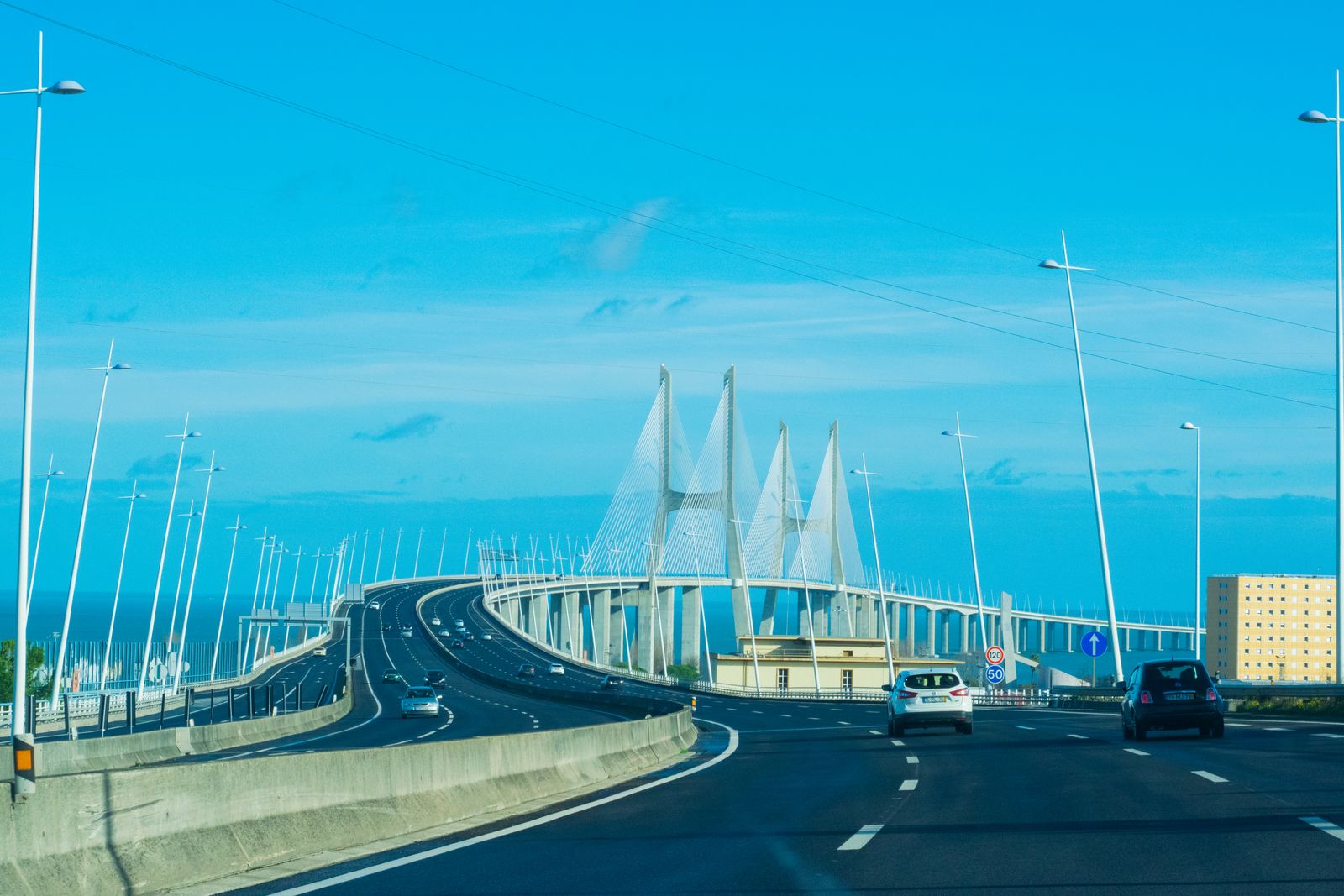
What’s still tolled: the A1 (Lisbon–Porto) and A2 (Lisbon–Algarve), both run under Brisa’s older toll model. A full A1 run costs around €25 in 2026; the A2 around €24. Both are electronic-only motorways — no cash booths, no ticket at the barrier.
For these remaining tolled roads, almost every rental car comes fitted with a Via Verde transponder, which reads your plate automatically at each gantry and bills the toll straight to the card on file — no ticket, no barrier, nothing to queue for.
The toll mistake that costs people the most
It’s not forgetting to pay, it’s timing. Several rental companies deactivate the toll transponder in the last day or two of a hire to close out billing before drop-off. If you drive a tolled stretch in that window, the transponder doesn’t register it, the toll goes unpaid, and it’s treated the same as driving with no device at all: a camera reads your plate, and weeks later a fine arrives with an administration charge stacked on top. Hertz, for example, bills actual tolls plus a €2.21 daily service fee, capped at €22.14 per rental — reasonable, as long as the box is genuinely live. Ask explicitly what happens to toll billing on your last two days before you hand the keys back.
One-way rentals and crossing into Spain
Combining Portugal with a Spanish road trip is common, and the fees catch people out in two separate ways. First, a straightforward cross-border usage fee: most companies charge €60–150 just for permission to take their car into Spain at all, on top of the rental cost, so confirm it before you book rather than at the counter. Second, and far bigger, is the one-way drop fee if you return the car in a different country — travellers on forums regularly report quotes of €500–600 or more for something like a Córdoba pickup with a Lisbon return, because the company has to physically reposition the car across the border. The workaround people actually use: drop the car near the border (Badajoz, or Huelva or Seville on the Spanish side) and cover the last leg by bus, or book two separate single-country rentals instead of one cross-border one. If you’re doing the latter, our car rental in Spain guide covers what to expect once you’re on the other side.
Driving in Lisbon and Porto’s old towns
Alfama, Bairro Alto, Mouraria and Porto’s Ribeira share the same problem: steep, cobbled, mostly one-way streets barely wider than your wing mirrors, with automatic bollards on some blocks that only drop for residents’ cards. Add Lisbon’s low emission zone, covering the historic centre and Avenida da Liberdade, Monday to Friday 7am–9pm — older or non-compliant vehicles caught by the ANPR cameras face a €120 fine plus a rental company admin fee of €30–50 on top. Park at a garage on the edge of the centre and walk or take the metro in; almost nobody who has actually tried to drive through the Alfama recommends doing it twice.
Insurance, fuel and the rest
Standard CDW with an excess of €800–1,500 is the norm at the counter; a standalone excess-waiver policy bought before you travel is usually cheaper than the desk upsell, so check your credit card cover and compare prices before agreeing to anything at pickup. Rental cars come with a reflective vest, required by law to be reachable from inside the car and not locked in the boot, and most run on diesel, currently around €1.70/litre. The blood alcohol limit is 0.5 g/L for general drivers and 0.2 g/L for professional and new drivers (under three years’ licence). Photograph the car at pickup, dents and all — it’s the one step every real complaint thread about Portuguese rentals traces back to skipping.
Portugal’s toll system got simpler in 2025, not harder — the trick is knowing which half of the old advice to ignore. Sort the Via Verde question at pickup, keep the transponder live through your last day, and the rest of the country is genuinely easy to drive.
Ready to book your car?
Compare prices, free cancellation and pay at pickup. No surprises.
View rental prices →