Car Rental Requirements: Age, Licence, Credit Card and What Changes by Country
What you need to rent a car: minimum age by country, credit card rules for the main driver, IDP rules, and what happens if you don't qualify.

Arriving at the counter with a “confirmed” reservation and being turned away anyway is more common than most travel guides admit. It usually isn’t bad luck — it’s one of three predictable gaps: the card isn’t in the driver’s name, the licence doesn’t meet the minimum holding period, or nobody checked whether the destination country needs an International Driving Permit. None of these show up clearly when you book. Here’s what actually gets checked, and how it changes depending on where you’re picking up the car.
Minimum age (and why it isn’t the same everywhere)
In most of the EU, the standard minimum age is 21, though several suppliers rent from 18 for smaller categories with extra conditions. In the US, the baseline is usually 21 to 25 depending on the company and the state — New York and Michigan are the two states where suppliers operating there are required to rent from 18.
The part that catches people out isn’t the minimum age itself — it’s the young driver surcharge. Anyone under 25 gets charged extra almost everywhere, main driver or not. In Europe this typically runs €5 to €25 per day on top of the base rate. In the US it tends to run higher, commonly $25 to $75 per day, and it isn’t shown in the headline price on most comparison sites — you only see it once you’re building the actual quote. Vans, larger SUVs and premium categories often carry a flat 25-plus minimum regardless of the surcharge, so a 22-year-old with money for the surcharge still can’t book certain cars at all.
Driving licence and the International Driving Permit
You need a valid category B (car) licence, physically present — not a photo, not a digital licence app. Most suppliers also want it held for a minimum of one to three years, which matters if you passed your test recently.
Whether you also need an International Driving Permit (IDP) depends entirely on the country, and this is the piece most “requirements” articles skip. An EU licence needs nothing extra anywhere in the EU. A UK, US, Canadian or Australian licence doesn’t need an IDP in the UK either, unless the licence itself isn’t in English. Inside the EU it’s much less consistent: Italy, Spain, Greece, Germany, Austria, Poland, Hungary, Romania, Bulgaria, Czech Republic, Slovenia and Estonia either require an IDP by law for non-EU licence holders or enforce it strictly enough that renting without one is a real risk. Elsewhere in Europe it’s rarely checked in practice, but “rarely” isn’t “never” — we cover the full country-by-country breakdown, including where police actually ask for it on the road, in our International Driving Permit guide.
If your licence uses a non-Latin script (Arabic, Cyrillic, Chinese, Japanese), you need the IDP everywhere, EU included — it’s not optional in that case. Bring the original national licence alongside it; the IDP alone is never accepted.
Credit card and deposit: the rule that causes the most rejections
This is the single biggest source of counter rejections, and it’s rarely about not having a card at all — it’s about having the wrong card.
The rule: the deposit almost always has to be held on a credit card issued in the main driver’s name, matching the name on the booking and the licence. A card belonging to a spouse, parent or travel companion who isn’t the one signing the rental agreement is routinely refused, even when that person is standing right there with their own ID. Name mismatches — including missing middle names or accented characters that don’t match between the licence and the card — are a recurring reason people get turned away, according to countless forum threads from travellers who assumed “someone in our group has a credit card” would be enough.
Debit cards are accepted at some counters, but usually with conditions attached: extra insurance requirements, a higher deposit, or a restriction to smaller car categories. Prepaid cards and virtual/digital-only cards are refused almost everywhere — counter staff need a physical card that can be swiped or chipped, and prepaid balances don’t cover a genuine authorisation hold. If a debit card is your only option, look specifically for suppliers that state they accept it, and confirm the conditions before you book — not at the counter. The name-matching rule is the same whether you’re renting without a credit card altogether or just trying to work out how the deposit itself gets held and released.
What’s actually checked at pickup
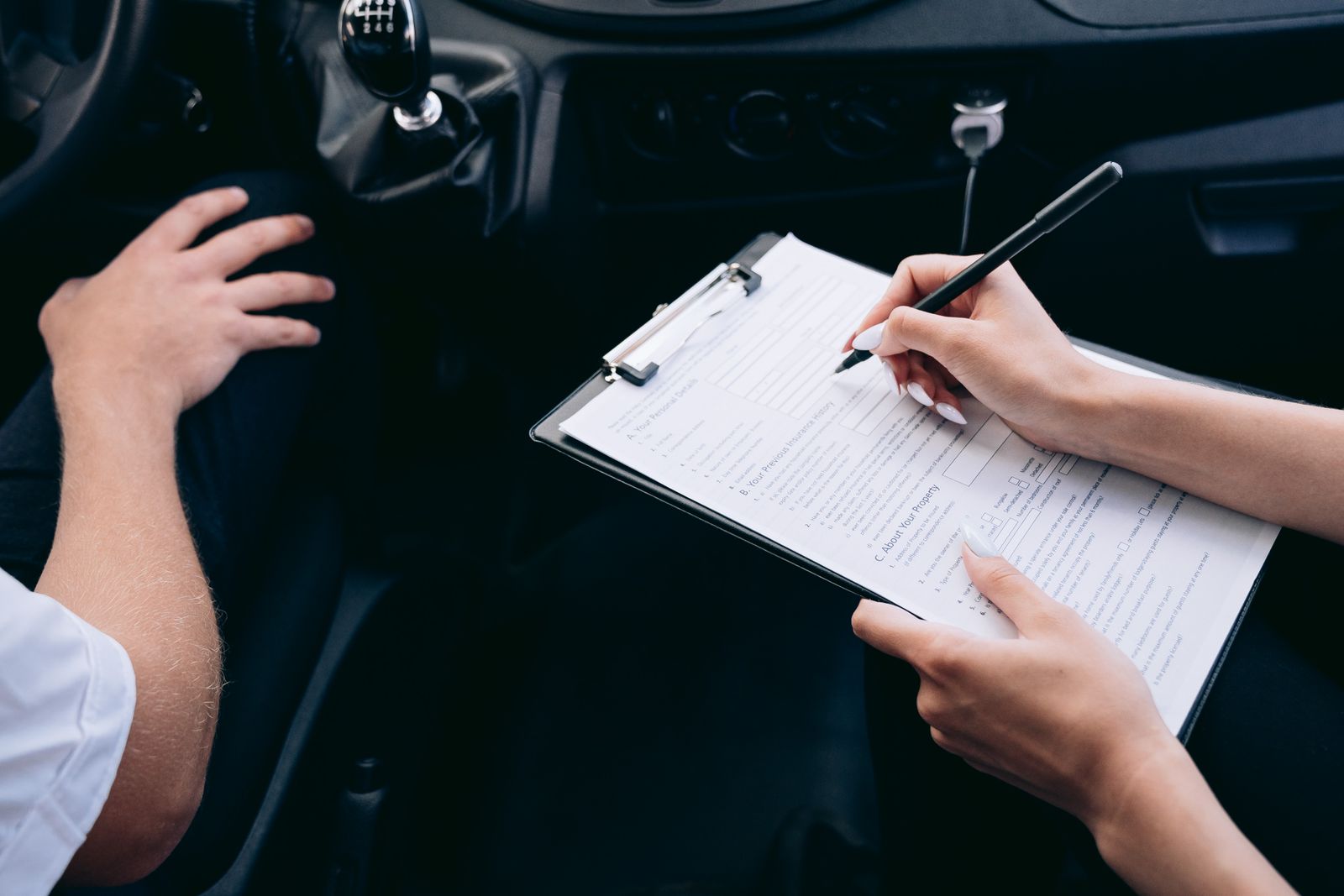
Counter staff move fast, but there’s a fixed checklist behind it:
- Physical driving licence — for the main driver and every additional driver
- Passport or national ID — matched against the booking name
- Credit card in the main driver’s name — swiped for the deposit hold, not just shown
- Booking voucher or confirmation — printed or on your phone, either works
- IDP, if the destination country requires or expects one for your licence
Digital wallets, screenshots of a licence, and “I’ll email it to you” do not work. If anything on this list doesn’t match — wrong name, expired licence, missing IDP where one is enforced — the rental can legally be refused even with a paid, confirmed booking.
What happens if you don’t meet a requirement
This is the part most guides leave out: a “confirmed” booking is not a guarantee of pickup. Rental terms almost universally state that the requirements above must be met at the counter, and if they aren’t, the supplier can refuse the rental — refunds are then handled under the cancellation policy you booked, not automatically in full. Forum threads are full of travellers who arrived with a valid-looking booking and were sent away because the card was prepaid, the licence had less than a year on it, or nobody had realised their destination expected an IDP. If your trip depends on that car, it’s worth checking your specific supplier’s exact conditions for your card type and licence before you travel, and treating a denied rental as a real scenario worth insuring against, not a technicality.
Extra requirements worth checking in advance
Additional drivers must be registered at pickup with their own licence and ID — an unlisted driver isn’t covered by the insurance, and there’s usually a daily fee to add one.
Cross-border travel typically needs written authorisation from the supplier in advance. This matters most for Morocco, non-EU countries in eastern Europe, and any route crossing several borders — ask before pickup, not from the road.
Child seats and extras (GPS, roof racks, snow chains) should be booked ahead of time. Counter availability isn’t guaranteed, and bringing your own child seat is usually allowed and cheaper for longer trips.
Insurance: every EU rental includes third-party liability as a legal minimum, but damage to the car itself is handled through the excess — the amount you’d pay out of pocket unless you add an excess waiver or book a rate with full cover included. See our full breakdown of car rental insurance for tourists in Europe for what CDW and SCDW actually cover.
Compare rental car rates and conditions
Documents to bring — quick reference
| Document | Required for |
|---|---|
| Physical driving licence | Main driver and any additional driver |
| Passport or national ID | Identity check against the booking |
| Credit card (main driver’s name) | Deposit hold |
| International Driving Permit | Where required by the destination country |
| Booking voucher or confirmation | Reference at pickup |
| Additional driver’s licence | Any additional driver, presented separately |
In short
The requirements that actually block people at the counter aren’t exotic — they’re a card in the wrong name, a licence that doesn’t meet the minimum holding period, or an IDP nobody knew the country expected. Minimum age and the young-driver surcharge vary by country and supplier, so check the real rate conditions rather than the headline price. Confirm your card, your licence and your destination’s IDP rules before you travel, not when you’re standing at the desk with a queue behind you.
Ready to book your car?
Compare prices, free cancellation and pay at pickup. No surprises.
View rental prices →