Car Rental Insurance for Tourists in Europe: What You Need and What's Covered
Car rental insurance in Europe for tourists: what CDW/TPL cover, what stays excluded, how credit card cover works, and cheaper excess waiver options.
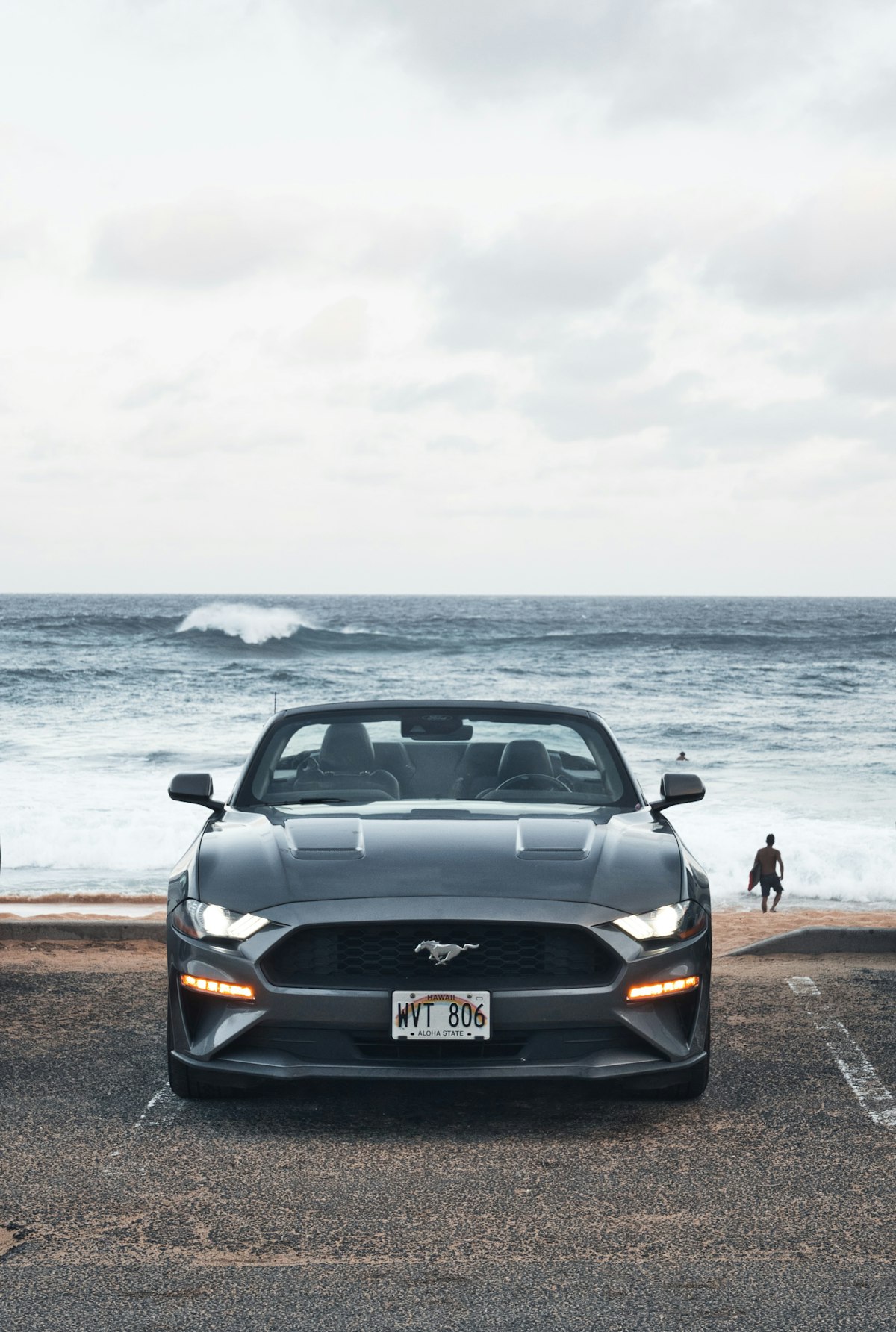
Every rental car in Europe comes bundled with two types of cover you can’t opt out of: CDW and third-party liability. Neither one adds up to “fully insured,” whatever the counter agent implies while you’re signing. Once you can see exactly where the excess leaves you exposed, what CDW quietly refuses to touch, and which countries change the rules entirely, deciding whether to pay for more cover stops being a guessing game at the desk.
What’s included by default
CDW (Collision Damage Waiver) covers damage to the rental car’s body from a collision, up to a maximum you’d still owe called the excess. Typical excess ranges by category:
| Car category | Typical excess |
|---|---|
| Economy / compact | €500–€1,200 |
| Mid-size / estate | €1,000–€1,800 |
| SUV / people carrier | €1,500–€2,500 |
| Premium / luxury | €2,500 and up |
Third-party liability (TPL) covers injury or damage you cause to someone else — other cars, property, pedestrians. It’s a legal minimum on every registered vehicle in the EU, and the required amount is set by an EU directive rather than left to the rental company. Major international brands routinely provide cover well above that legal floor as standard; smaller local agencies in some markets stick closer to the minimum, which is worth asking about if you’re renting from an unfamiliar name.
Neither figure in that excess table is negotiable at pickup — it’s fixed by the rate you booked. What you can change is whether you reduce it to zero.
What CDW never covers, whoever’s selling it
Even with CDW active, these come out of your pocket unless you’ve added something on top:
- Tyres and wheel rims
- Windscreen and glass
- Underbody and undercarriage
- Roof damage
- Interior (seats, dashboard, trim)
- Key loss or lockout callouts
- Theft of belongings left in the car
- Anything that happens while you’re breaking the rental contract — driving under the influence, taking a 2WD car onto terrain it’s not rated for, ignoring a written restriction
That last exclusion is the one that catches people out hardest, because it doesn’t just reduce your cover — it cancels CDW for that incident completely, excess waiver or not.
Cutting the excess to zero: counter SCDW vs. buying it in advance
An SCDW (Super CDW), sometimes just called a full excess waiver, drops your exposure on car-body damage to zero. Two ways to get it:
At the counter: typically €15–€30 a day. On a UK forum thread comparing quotes, one traveller worked out Enterprise’s offer at about £20 a day — roughly £400 added to a 20-day rental. It’s expensive, but the moment you drive off, the excess is already gone; nothing to claim back later.
Before you travel, through a third-party insurer: names like iCarhireinsurance.com and insurance4carhire.com sell the same protection from around £3–£8 a day, or a flat annual policy for people who rent more than once or twice a year. The catch is how the money moves: the rental company still charges your card for any damage in full, and you then file a claim with the insurer to get reimbursed. That means having enough headroom on the card at the time of the incident, and the paperwork — damage report, repair invoice — to back up the claim.
Compare car rental rates with insurance options included
Both routes are legitimate. The third-party route is cheaper by a wide margin over a full trip; the counter option is simpler if you’d rather not have a claims process hanging over you after a scrape. If you’re unsure whether your card even qualifies for the deposit hold in the first place, our guide to car rental requirements covers exactly what gets checked before you’re handed the keys.
Credit card cover: the real conditions, and the thing that goes wrong
Several premium cards bundle in rental cover — Visa Signature, World Mastercard, and American Express’s dedicated Premium Car Rental Protection product (a flat fee, commonly $19.95–$24.95 per rental period regardless of length, cheaper in a few US states). The conditions are stricter than the marketing suggests:
- The entire rental has to be charged to that one card — splitting payment with another card or PayPal voids it.
- You must decline the rental company’s CDW at the counter for most policies to activate.
- Declining CDW usually means a much bigger deposit hold — check your available limit covers the full excess before you say no to the counter offer.
- You pay the damage charge first, then submit a claim to the card issuer afterwards, with documentation.
The country exclusions are where this goes wrong for European trips specifically. Standard Visa and Mastercard rental benefits typically exclude the Republic of Ireland, Northern Ireland and Israel — Chase is the notable exception, having removed those exclusions from its cards some years ago. Amex’s own Premium Car Rental Protection carries a different exclusion list: Ireland, Israel, Jamaica, Italy, Australia and New Zealand are all outside it. So the same card that covers you comfortably in France or Germany can leave you with nothing in Dublin or Rome.
There’s also a real failure mode worth knowing about before you rely on this route: on a Bogleheads forum thread about rental excess cover, one traveller described paying a damage charge upfront on a Barclaycard and then never getting reimbursed, because the card issuer wouldn’t process the claim without a repair confirmation the rental company never provided. Paying first and hoping the paperwork lines up later is the actual mechanism behind “credit card cover,” not a formality.
Where the rules change: Italy, Ireland and Iceland
Most of Europe follows the pattern above. Three places don’t:
Italy legally requires CDW and theft protection to be included in every advertised rate — you cannot decline it at the counter the way you can elsewhere, so there’s no “skip the CDW, rely on my card” strategy here. The law mandates that the cover exists; it says nothing about the size of the excess, which rental companies set on their own (commonly €800–€2,000 for the basic version). Your only real decision in Italy is whether to pay extra for Super CDW at pickup — and it’s worth checking your card’s terms anyway, since Italy sits on Amex Premium’s own exclusion list too.
Ireland (and Northern Ireland) sits outside standard Visa/Mastercard rental cover, as above — plan on the rental company’s own excess waiver or a standalone policy if you’re driving there.
Iceland isn’t in the EU liability framework the same way, and its own quirk is F-roads: driving a standard car off the paved network voids CDW and any excess waiver completely, no exceptions. Our 4x4 rental guide for Iceland has the exact line between “fine in a Yaris” and “needs a 4x4 and F-road-rated cover.”
What tourists most often get wrong
“Full insurance” isn’t a real product. Every rental contract carries exclusions somewhere. The question isn’t whether you’re fully covered — nobody is — it’s how big the remaining gap is and whether you’re comfortable with it.
Counter upsells aren’t all compulsory. GPS rental, roadside assistance upgrades and personal accident cover are add-ons you can wave off. The only cover you can’t refuse is whatever’s baked into your rate — which, in most of Europe, is just CDW-with-excess and TPL, but in Italy includes CDW itself.
“My card always covers me” doesn’t hold up country to country. The Ireland/Israel/Jamaica pattern above, plus Amex’s separate exclusion of Italy, means the safest move is opening your card’s actual guide to benefits before the trip, not assuming last year’s rental in Portugal tells you anything about this year’s in Rome.
Ready to book your car?
Compare prices, free cancellation and pay at pickup. No surprises.
View rental prices →