Sixt Charging You for Damage You Didn't Cause: How to Protect Yourself and Dispute It
A Sixt damage charge landed days after your return? Here's how to document your rental, dispute it in writing, and use a chargeback if needed.

If a damage charge from Sixt landed in your inbox days or weeks after you returned a spotless car, you’re not imagining things, and you’re not alone. Here’s what’s actually been documented about this pattern, and a concrete plan to fight the charge instead of just paying it out of frustration.
This isn’t just a rumor — here’s what’s documented
In 2025, Sixt settled a US class action, Calderon et al. v. Sixt Rent A Car LLC, for $11.07 million. The court found that Sixt had charged renters for “diminished value,” estimated repair costs, and loss-of-use fees on vehicles that were never actually repaired — a practice the case argued violated Sixt’s own rental agreement terms. The settlement covers claims sent between January 2014 and June 2019, refunding roughly 70% of disputed charges and forgiving outstanding balances tied to unpaid claims.
Separately, several outlets — the New York Post, Washington Times, InvestigateTV, The Points Guy and WRAL — have reported more recent cases involving Sixt’s automated damage-scanning system (“car gate” scanners) flagging pre-existing or trivial damage after a return. One documented case involved an image timestamped at pickup, not return, used to justify a $605 charge. Another involved a $1,500 charge for a rim scratch, which Sixt later reversed and called a “routing error.”
To be fair about what this evidence actually shows: it points to a real, documented pattern of billing and process failures — not proof that every individual charge is intentional fraud. And it isn’t unique to Sixt. Similar complaints exist against Avis and other major companies, and the European Consumer Centre Network has flagged damage-charge disputes as a structural problem across the EU car rental sector as a whole, not one specific brand.
Document the car before this ever becomes a fight
Because there’s no single deadline you can count on for when a claim might arrive, the only real protection is building your own evidence trail at both ends of the rental:
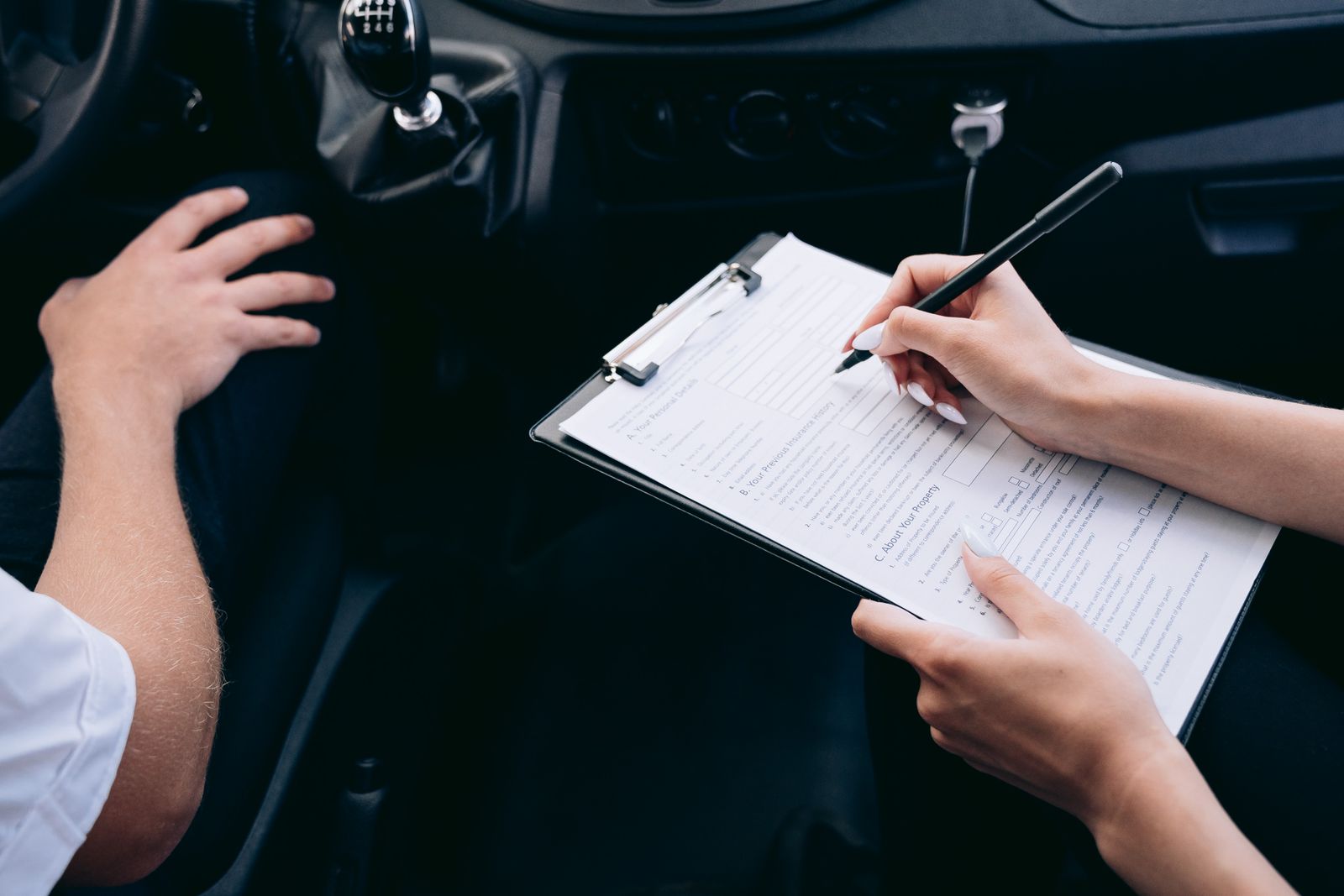
- At pickup: timestamped photos and a short video of every panel, wheel, the windscreen, interior and the odometer/fuel gauge — walk all the way around the car. Point out any existing damage to the counter staff, even if they don’t flag it themselves, and ask for it noted on your paperwork.
- At return: repeat the exact same walk-around, timestamped again, ideally with a staff member present or at least visible in frame. If there’s no one available to inspect the car with you, photograph the odometer, fuel level and every exterior panel as your own record of the condition at drop-off.
This alone resolves most disputes before they start, because a clean, dated photo set is hard to argue with.
How to dispute the charge, step by step
- Reply in writing immediately to whichever department billed you, referencing your rental agreement number.
- Attach your pickup and return photos/video directly in that message — don’t just say you have them, show them.
- Ask explicitly for proof the damage was actually repaired, including an itemized repair invoice. This matters specifically for Sixt: the class action found the company had billed customers for repairs that were estimated but never carried out. Asking this question puts the burden back on the company to justify the charge.
- Set a deadline for their response (7–14 days is reasonable) and say you’ll escalate to a chargeback if you don’t hear back.
- Keep every piece of correspondence — you’ll need it if you do escalate.
If the company won’t budge: use your card’s chargeback rights
Where you live changes the exact process, but you generally have more leverage than you think:
- UK renters: Section 75 of the Consumer Credit Act 1974 makes your credit card issuer jointly liable for problems with a purchase in a set value range, which covers many rental disputes.
- US renters: federal law (the Fair Credit Billing Act) gives cardholders formal dispute rights for billing errors and unauthorized-feeling charges — contact your card issuer’s dispute department directly.
- EU residents: there’s no single harmonized “EU chargeback law” — the process depends on your card network and issuing bank’s own rules. But you can get free help with a cross-border rental dispute from the European Consumer Centre Network (ECC-Net), which specifically tracks unfair car rental practices across EU member states.
Where a comparator can actually help — and where it can’t
A car rental comparator can be genuinely useful here: it can clarify exactly what insurance your specific booking included, help you understand which dispute channel applies to your situation, and add pressure alongside your own written complaint. What it generally can’t do is guarantee your individual charge gets reversed — that still comes down to your documentation and the formal dispute process above. Think of it as an extra advocate in your corner, not a replacement for doing the paperwork yourself.
Compare rental providers with clear insurance terms before you book →
Ready to book your car?
Compare prices, free cancellation and pay at pickup. No surprises.
View rental prices →