Car Rental in Mallorca: Complete Guide 2026
Everything you need to know to rent a car in Mallorca. Prices, pickup locations, what insurance to get and how to get around the island without surprises.
Mallorca is the one Spanish island where a rental car earns its keep. Public transport covers Palma and the main towns fine, but the Serra de Tramuntana, the northern coves before the tour buses show up, and the inland villages all reward having your own wheels. This guide covers what matters when you book one.
Is it worth renting a car in Mallorca?
Yes, especially if:
- You’re staying more than 3 days
- You want to see more than Palma and El Arenal
- You’re travelling as a family or with a lot of luggage
- You plan to visit coves that buses don’t reach
Mallorca’s bus network (TIB) connects Palma well enough with Alcúdia, Porto Cristo and Llucmajor, and it’s a fine way to see the capital plus a couple of resort towns. For northern coves like Cala Tuent, Cala Deià or Sa Calobra, though, a car is close to essential. The buses that climb into the Serra run infrequently and won’t have you hopping between three coves in a day.
If you’re still weighing it up, our full breakdown of how to get around Mallorca by car, bus and train goes deeper into which bases work fine without a car and which don’t.
Average car rental prices in Mallorca (2026)
Prices swing hard with the season. July and August are the expensive months; outside of them, rates drop noticeably.
| Category | Low season | High season |
|---|---|---|
| Economy | €18–25/day | €35–55/day |
| Compact | €25–35/day | €45–70/day |
| Midsize SUV | €45–65/day | €80–120/day |
Treat these as a rough guide, not a quote. Actual prices move with fuel costs, how far ahead you book and which company you’re comparing. Book weeks ahead of a July or August trip, though, and you land in the cheaper price bracket with a wider pick of cars: the best-value vehicles in each category go first.
Compare updated prices on DiscoverCars →
Where to pick up: airport vs. Palma city centre
Palma Airport (PMI) is the most convenient option if you’re flying in, and every major company has a desk there. The trade-off is an airport concession fee that can add €8–15/day to the price.
Palma city centre runs 10–20% cheaper. If you’re travelling light, getting into town by taxi or bus and picking up the car the next day is a reasonable way to shave that fee off a longer trip. The airport also has an AeroTIB express bus network (A32 towards Alcúdia and Can Picafort, A42 towards Manacor and Porto Cristo, A51 towards Llucmajor and Campos) if your base is already on one of those routes.
What insurance to get
Insurance is the number-one source of nasty surprises in car rentals. The basics:
- CDW (Collision Damage Waiver): covers damage to the car, always with an excess. In Mallorca this typically sits somewhere in the €800–2,000 range depending on the car category and company.
- SCDW or Full Coverage: reduces that excess to zero (or close to it). Adds roughly €10–20/day.
- Your credit card: some Visa or Mastercard premium/gold cards cover the rental excess, but only if you pay the whole booking with that exact card and meet the issuer’s conditions. Check the terms before you travel, and keep proof of the cover on you. A few rental desks ask for it at pickup.
Practical tip: if you have a credit card with verified rental cover, basic CDW is usually enough. If not, take SCDW or buy third-party excess insurance, which is often cheaper than the same cover sold at the rental counter.
Documents, minimum age and legal requirements
Third-party liability insurance is mandatory on every rental car in Spain and is already built into the base price. CDW and SCDW sit on top of that; neither one replaces it.
To rent, you’ll generally need a full driving licence held for at least a year or two, a credit card in the driver’s name (debit cards are rarely accepted for the deposit), and a passport or ID card. Most companies set the minimum age at 21, with a young-driver surcharge if you’re under 25; a handful accept drivers from 18. If your licence is from the EU, UK, US or another country that issues it in Latin characters, you generally won’t need an International Driving Permit, but check with the specific company if you’re unsure, since some ask for one as extra paperwork regardless.
The car itself must legally carry two warning triangles, a reflective vest and, in most cases, a spare wheel or repair kit. Rental companies supply these, but confirm they’re in the boot at pickup. Spain’s drink-drive limit is 0.05% blood alcohol, 0.03% for drivers licensed under two years, stricter than what a lot of visitors are used to at home.
Must-do driving routes in Mallorca
The Serra de Tramuntana
The Serra road is one of the most spectacular in Europe. The stretch from Sóller to Pollença on the Ma-10 is unmissable. Don’t miss:
- Mirador de ses Barques (between Sóller and Port de Sóller)
- Cala Tuent: a narrow, paved turn-off from the Sa Calobra road, about 4 km with plenty of hairpins. A compact car makes it far more comfortable, and there’s a small pay-and-display car park at the beach.
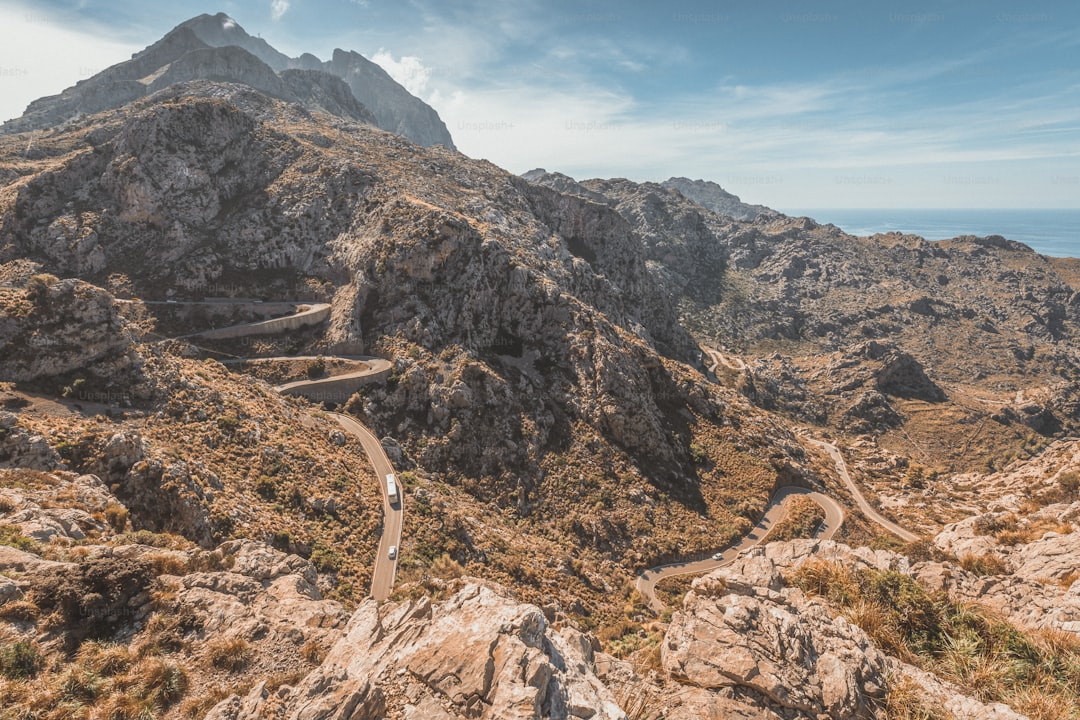
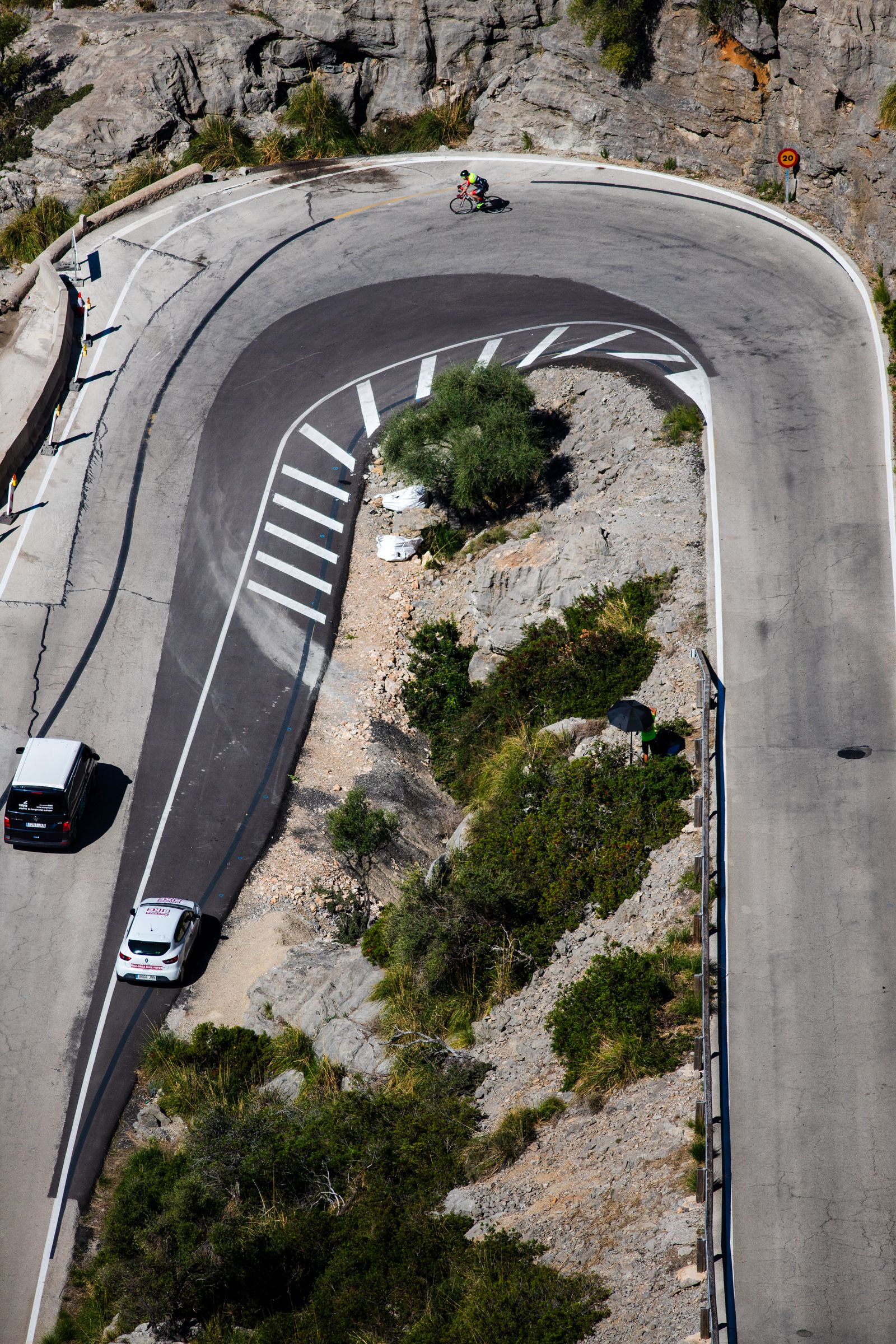
- Sa Calobra: around 12 km of tight hairpins down to the Torrent de Pareis, including the photogenic “Nus de sa Corbata” switchback, where the road loops back over itself. Go in the morning, before the coach buses and cyclists take over.
The northern coves and Formentor
Alcúdia, Pollença, Formentor: this area has some of the least crowded beaches on the island. Platja de Formentor has a summer access restriction: from 15 May to 18 October 2026, the road from Port de Pollença to the beach is closed to private cars daily between 10am and 10pm (you can still park at the beach car park if space is free), and the stretch beyond the beach up to the lighthouse is closed to all private traffic in that window. The TIB shuttle bus connects Alcúdia and Port de Pollença to the lighthouse throughout the restricted period. Check current times before you plan around it, since they can shift year to year.
The Llevant
Artà, Capdepera, Cala Ratjada. Less touristy than the southwest, with the Parc Natural de la Península de Llevant and some of the island’s best rocky coves.
Practical tips
Parking in Palma. The old town has plenty of paid zones, but two dissuasive (park-and-ride) options are cheaper and well placed: Parc de Sa Riera, from around €5/day, roughly 15 minutes’ walk from the centre, and the car park at the Estació Intermodal, next to the bus and train station.
Watch your speed on the Ma-19. The motorway between Palma and Manacor has fixed speed cameras, including a stretch-average control near roadworks capped at 60 km/h, and they’re easy to miss if you’re used to faster limits back home.
Petrol stations. Fill up when you collect the car if you’re on a “return full” rate. Some smaller local companies use a “same level you got it” policy instead, so check which applies. Stations in the northern coves are scarce; fill up in Alcúdia or Pollença before heading into the Serra.
Minor damage. Cove and viewpoint car parks in the Serra are busy and tight, and scrapes from squeezing past another car are the most common damage claim. Make sure your excess is covered before you need it, not after.
GPS or data. Download Mallorca’s offline maps in Google Maps before you go. Coverage in the Serra and some coves is patchy.
When is the best time to rent
- May and June: the best time. Good weather, reasonable prices, no crowds.
- July and August: expensive and busy, plus the Formentor restrictions are in force. Book 6+ weeks ahead if you’re going in summer.
- September and October: a strong option. The sea is still warm and prices come down.
- Winter: the cheapest rates, but many beach restaurants and some hotels close for the season.
Ready to explore Mallorca at your own pace? Compare rental prices with free cancellation and pay at pickup.
View car rental prices in Mallorca →
Ready to book your car?
Compare prices, free cancellation and pay at pickup. No surprises.
View rental prices →Frequently asked questions
Is it cheaper to pick up my rental car at Palma airport or in the city centre?
When should I book to get the best price in high season?
Will my credit card cover the rental excess in Mallorca?
Can I drive to Platja de Formentor with a rental car in summer?
What documents and minimum age do I need to rent a car in Mallorca?
Is the Sa Calobra road difficult to drive as a visiting tourist?
Renting a car in Mallorca?
Check our Mallorca guide: prices, local providers and tips.
Car rental in Mallorca →