The Best Road Trips in Europe: 7 Routes Worth Renting a Car For
The best road trips in Europe by car: the Amalfi Coast, the Algarve, Scotland's NC500, the French Riviera and more — with distances, how long to allow and when to go.
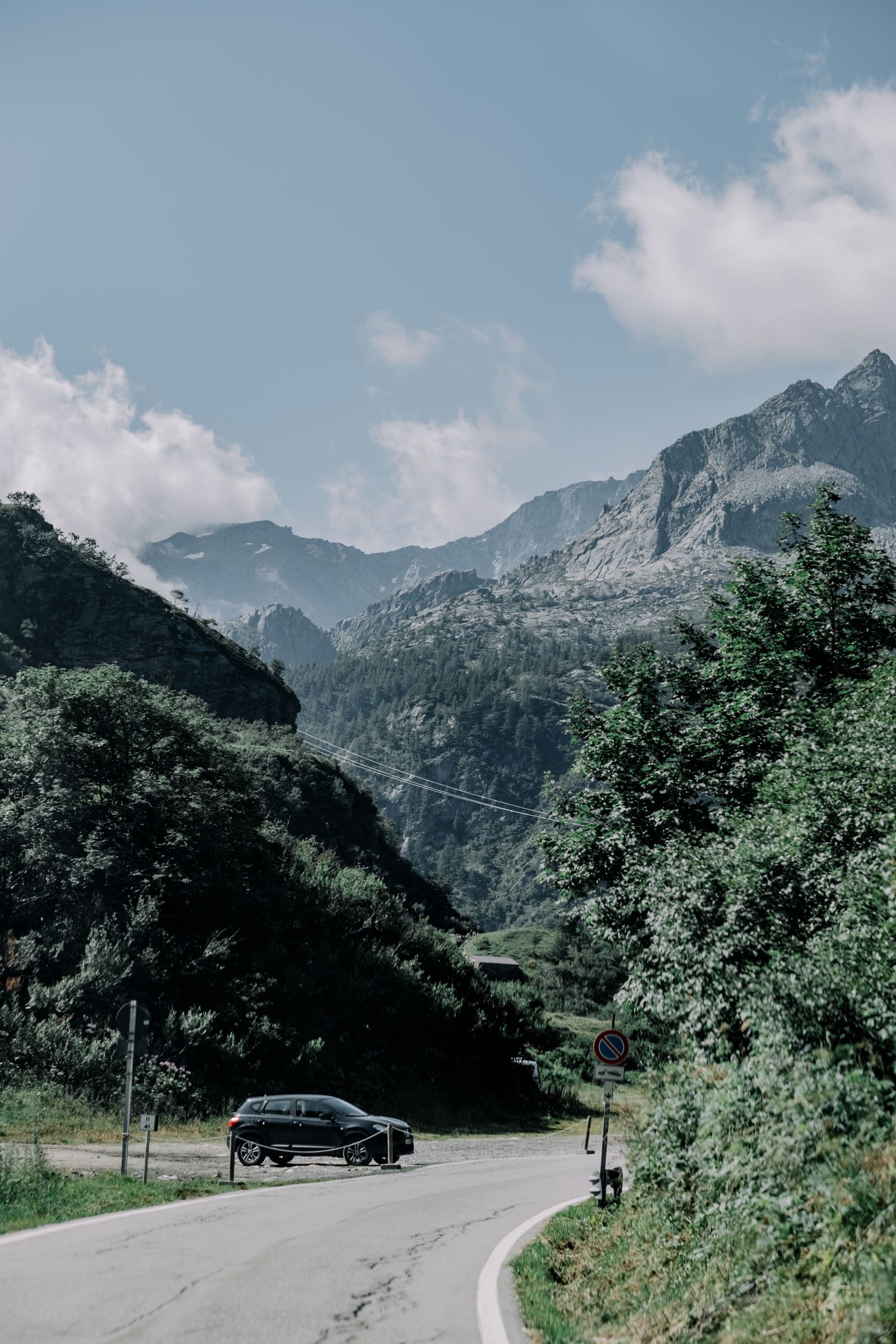
Europe is built for road trips. Drive a few hours and a coastline turns into a mountain pass, then into a medieval hill town, and the good stuff sits on roads no train line or tour bus will ever cover. Here are seven of the best routes on the continent: how far each one runs, how many days to allow, and when to go. Pick one, or string two together if your trip has the time.
1. The Amalfi Coast, Italy
The classic, and it earns the label. The SS163 Amalfitana hugs the cliffs between Sorrento and Salerno (via Vietri sul Mare), linking Positano, Amalfi and Ravello. It only runs 50 to 60 km one way, but slow: allow 2 to 4 days, more if you want a Capri day trip or the Path of the Gods hike above Positano. Go in April to June or September to October. In July and August the road grinds to a crawl, and every town along it enforces its own strict ZTL (limited traffic zone) rule: a permit for Amalfi doesn’t cover Positano, and there’s no single pass that works everywhere. Drive into the wrong zone without one and the fine, often €90 or more, lands on your card through the rental company, with their admin fee stacked on top. Some stretches also run an alternating odd/even number-plate scheme in peak summer, so check current signage instead of guessing. Fly into Naples, base yourself in Praiano or Sorrento, and save the car for the big views, not for hunting a parking space in the middle of Positano.
2. The Algarve, Portugal
Portugal’s southern coast packs cliffs, golden beaches and whitewashed towns into around 200 km of coastline, from the cape at Sagres to the Ria Formosa lagoons near the Spanish border. A good loop runs Lagos, Albufeira, Faro, Tavira. Take the coastal N125 for the views, slower, but it strings the towns together, rather than the faster A22 motorway, which skips most of them. Allow 3 to 5 days, and squeeze in a boat trip to one of the Ria Formosa’s barrier islands, Culatra or Armona, near the end. Spring and early autumn hit the sweet spot: warm enough for the beaches, without July and August’s crowds or prices, and Faro airport sits roughly at the midpoint of the whole route.
3. North Coast 500, Scotland
The NC500 loops around the Scottish Highlands from Inverness. It’s officially 516 miles, or roughly 830 km, despite the round-number name, running through single-track roads, sea lochs and beaches that could pass for the Caribbean if the water weren’t so cold. Allow at least 5 to 7 days. Rush it and you’ll spend the trip staring at a passing-place sign instead of the view. Those single-track stretches (look for the white diamond posts) have their own etiquette: pull into the passing place nearest you, let oncoming traffic through, don’t park in one, and expect a wave of thanks back. Fuel stations thin out fast in the far north and west, so fill up whenever you see one. May is the strongest single month: long daylight, the calmest weather Scotland offers, and the midges not yet out in force. They peak in July and August, which is also when the route gets busiest. Early September is the next best window.
4. The French Riviera, France
The drive from Cannes to Monaco via Nice and the cliff-top corniche roads is barely 60 km door to door, but it’s pure glamour: three stacked corniche roads, marinas, and the hilltop village of Èze wedged between them. It’s short enough for a 2 to 3 day trip and easy to combine with a flight into Nice. You could drive the whole thing in an afternoon, but that misses the point. Spring and autumn are quieter and the light suits photos better. August brings Riviera-wide traffic and parking that borders on impossible.
5. The Serra de Tramuntana, Mallorca
Mallorca’s mountain range delivers one of the Mediterranean’s great drives. The Ma-10 runs around 110 km from Andratx to Pollença, linking Valldemossa, Deià and Sóller. The showpiece is the white-knuckle descent to Sa Calobra, a dozen-plus hairpins locals call the Nus de sa Corbata (“tie knot”). Allow 1 to 2 days, more if you want to actually stop in Deià instead of driving past it. The Ma-10 is also one of Europe’s best-known road-cycling climbs, so expect groups of cyclists on the blind bends, especially on the Sa Calobra descent. Go early, before both the cyclists and the coach buses show up.
6. The Romantic Road, Germany
A gentler classic: 350 km from Würzburg to Füssen through Bavaria’s walled towns, passing Rothenburg ob der Tauber, Dinkelsbühl and Nördlingen before ending near Neuschwanstein castle. Allow 3 to 4 days to actually stop in the smaller towns instead of driving past them. Rothenburg alone is worth a half-day on foot. Beautiful in autumn, and magical in the run-up to Christmas, when the market stalls go up in Rothenburg and Nördlingen.
7. The Ring of Kerry, Ireland
A loop of roughly 180 km around the Iveragh Peninsula, with the Atlantic on one side and green mountains on the other. Allow 1 to 2 days, more if you add the quieter Skellig Ring detour. Drive it anticlockwise: tour coaches are required to travel the route clockwise, so going the other way keeps you facing them on the wide stretches instead of meeting one on a blind bend.
Before you go: the practical bit
- Unlimited mileage is essential: these routes rack up distance fast, and a capped-mileage deal turns into an expensive surprise.
- Book early for the right car; convertibles and automatics sell out in summer — and see our tips to save money on car rental before you do.
- Watch for ZTL and access restrictions in Italian towns and on roads like Mallorca’s Formentor.
- Crossing a border? Tell the rental company in advance. Within the EU your cover follows you automatically, but some firms restrict certain countries or charge extra for it; outside the EU’s Green Card zone (Morocco, Turkey and others) you’ll need a Green Card arranged before you leave.
- One-way rentals turn a there-and-back into a true journey. Just check the one-way fee.
When you’ve picked your route, you can compare rental prices and book with free cancellation, which keeps your plans flexible if the dates shift.
The bottom line
From the cliffs of the Amalfi Coast to the empty roads of the Scottish Highlands, Europe’s best road trips reward having your own car and the freedom to stop wherever the view is best. None of them need a 4x4 or special gear, just a car booked with unlimited mileage, a rough idea of the ZTLs and passing-place rules that apply, and enough days that you’re not rushing the good parts. Pick the route that matches the time you’ve got, book early, and the drive becomes the holiday instead of just the way you got there.
Ready to book your car?
Compare prices, free cancellation and pay at pickup. No surprises.
View rental prices →