Complete Guide to Renting a Car in Denver for Tourists
Everything tourists need to know about renting a car in Denver — DIA airport, best companies, costs, altitude tips, and driving to Colorado's mountains.
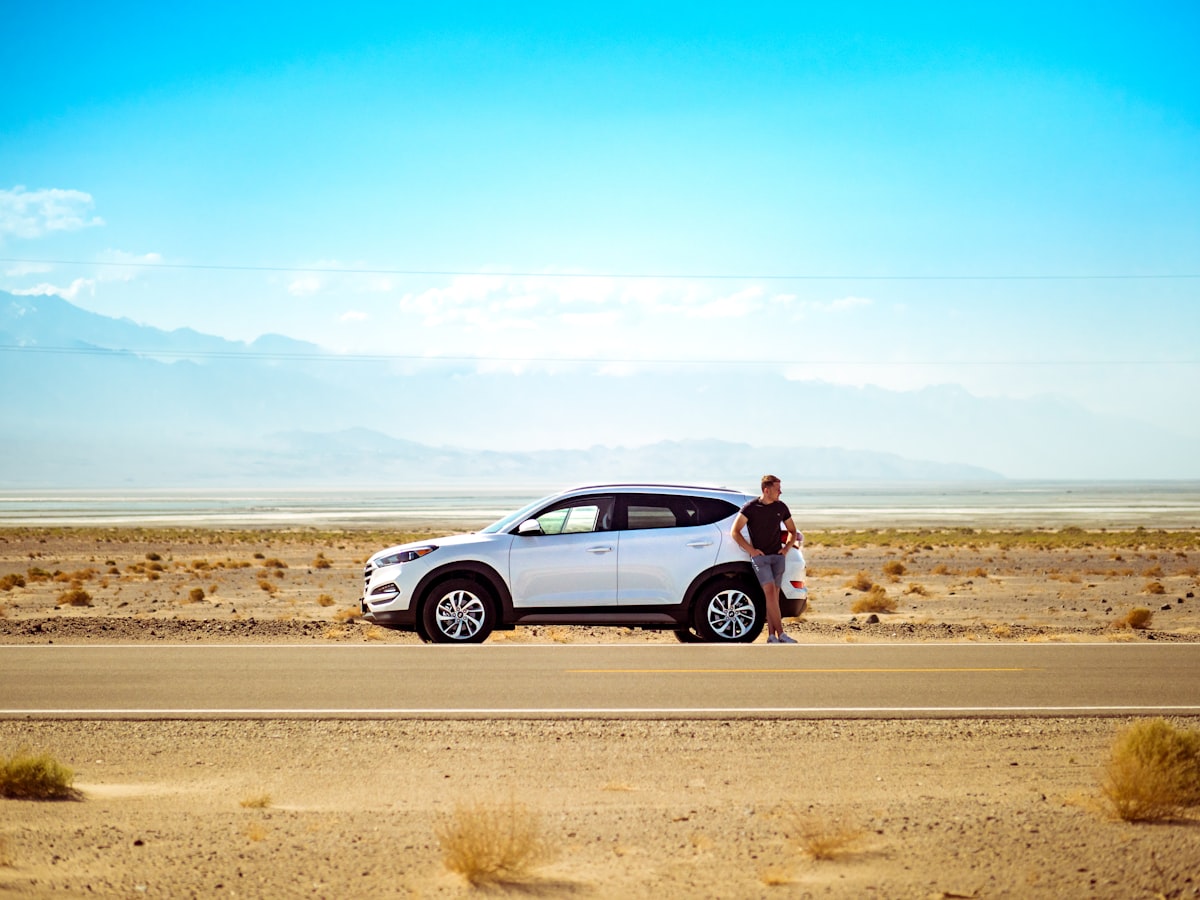
Denver is the gateway to the Rockies, and that changes everything about how you should think about renting a car here. This isn’t just a city break — it’s a mile-high launchpad for ski resorts, national parks, and some of the best road trips in the American West. Whether you’re flying into Denver International Airport (DIA) for a downtown weekend or using the city as your base for a Colorado mountain adventure, getting the rental car part right saves you money and headaches.
This guide covers where to pick up your car, what it actually costs, how altitude affects your driving experience, and the mountain routes worth building your trip around.
Car Rental Companies at Denver International Airport (DIA)
Every major national brand operates at DIA — Enterprise, Hertz, National, Avis, Budget, Alamo, Dollar, and Thrifty all have counters and fleets on-site at the Consolidated Rental Car Facility (CONRAC). Enterprise and National consistently earn the strongest reviews from Denver travelers for vehicle condition and service, while Thrifty and Budget tend to offer the best value for budget-conscious trips. Because DIA is such a high-volume airport, rates swing week to week, so it pays to compare across companies rather than sticking with one brand out of habit.
Getting from your arrival gate to your rental car takes a bit longer here than at most airports, since CONRAC sits about a mile from the Jeppesen Terminal. After baggage claim, follow the signs to the free Rental Car Shuttle, which runs 24/7 from Level 5 and takes 5–10 minutes to reach the facility. Budget an extra 20–30 minutes into your arrival plans for this step, especially if you’re catching sunset light for a mountain drive.
On-Airport vs Off-Airport Rentals in Denver
Picking up at DIA is the most convenient option for most tourists — you land, grab your bags, hop the shuttle, and you’re on the road, with no need to arrange separate transport into the city first. It’s the right call if you’re heading straight into the mountains or don’t want to deal with Denver traffic before you’ve even picked up your car.
That said, off-airport locations in downtown Denver or nearby suburbs can undercut airport rates noticeably, since airport concession fees add a real chunk to the DIA price. If your itinerary has you spending a night or two in the city first — exploring LoDo, RiNo, or Capitol Hill — before heading to the mountains, it’s often worth taking a rideshare downtown and renting from a neighborhood location the next morning. The savings can be meaningful, particularly during peak ski season.
How Much Does It Cost to Rent a Car in Denver?
Pricing in Denver swings hard with the seasons. Compact cars average $45–$90 per day outside peak periods, while SUVs — the go-to choice for anyone heading to the mountains — run $70–$150 per day. Ski season (December through March) and peak summer (June through August) both push prices well above these baselines, so book as early as possible if your trip falls in either window.
On top of the daily rate, expect DIA airport surcharges and Colorado state taxes to add roughly 25–30% to your total. That’s a significant markup, and it’s one of the strongest arguments for comparing prices across multiple providers rather than booking the first quote you see. Compare car rental prices in Denver →
The good news: with the right comparator, the rate you see is genuinely the rate you pay, cancellation is free up to 48 hours before pickup, and you won’t be charged anything until you’re at the counter — useful if your Colorado plans are still a bit fluid.
The Altitude Factor — Driving at 5,280 Feet (Mile High City)
Denver’s nickname isn’t just a slogan — the city itself sits exactly one mile above sea level, and if you’re heading into the mountains, you’ll climb thousands of feet higher still. Altitude has a real, measurable effect on both you and your car. Engines lose a bit of power at elevation due to thinner air, and fuel economy can shift slightly compared to what you’re used to at sea level — most modern rental fleets handle this without issue, but don’t be surprised if acceleration feels a touch different on steep mountain grades.
More important is how altitude affects you as a driver. Newly arrived tourists — especially those flying in from sea-level cities — sometimes experience mild altitude symptoms: headaches, fatigue, or shortness of breath, particularly if you go straight from the airport up into the mountains. Hydrate heavily in your first 24 hours, avoid overexerting yourself on day one, and take mountain drives at a relaxed pace rather than rushing straight from DIA to a 10,000-foot pass.
If mountain driving is on your itinerary, request an SUV or crossover with all-wheel drive when booking. It’s a small cost difference that pays off in confidence and safety on winding, high-elevation roads — especially outside peak summer months.
Driving in Denver — What Tourists Need to Know
Downtown Denver follows a fairly logical grid system, though it’s worth knowing the city actually has two overlapping grids — a diagonal one downtown aligned with the original railroad lines, and a standard north-south grid everywhere else. GPS handles this fine, but don’t be surprised if streets seem to shift angle as you leave the core downtown area.
Once you’re out of the city and into the foothills, roads narrow and grades steepen quickly — Colorado mountain driving rewards patience over speed, and pull-off points exist specifically so slower drivers can let faster local traffic pass. Winter adds another layer: snow and ice are common on I-70 and other mountain routes from October through May, and an AWD rental with good tires makes a real difference on these roads. Chain laws can be enforced on certain passes during storms, so check conditions before you set out if you’re traveling in winter.
Parking in Denver Downtown
Downtown parking splits between metered street spots and parking garages, with garages generally being the more reliable option if you’re staying more than an hour or two — metered spaces fill fast near popular areas like Larimer Square and Union Station. Garages near Coors Field, the Denver Center for the Performing Arts, and the 16th Street Mall tend to offer the best combination of price and proximity to major attractions.
Parking apps like ParkMobile and SpotHero both work well in Denver and let you pay for street meters or reserve garage spots in advance, which is especially useful during events at Ball Arena or Coors Field when nearby parking fills up quickly.
Best Road Trips from Denver
This is where a Denver rental car really earns its keep. Rocky Mountain National Park sits just 75 miles away — about 1.5 hours by car — and offers some of the most dramatic alpine scenery in the country, easily doable as a day trip. Breckenridge and Vail, Colorado’s marquee ski towns, are roughly 1.5–2 hours out via I-70 and make for an easy overnight or even a long day trip depending on the season.
South of the city, Colorado Springs pairs well with Garden of the Gods and the drive up Pikes Peak — a full day of dramatic red rock formations and sweeping mountain views, all within about an hour and a half of downtown Denver. None of these destinations are realistically reachable without a car, which is exactly why so many visitors treat Denver as a road trip base rather than just a city stop.
Money-Saving Tips for Car Rental in Denver
Book as early as you can, particularly for trips during ski season or major summer weekends — prices climb steadily as dates approach, and popular vehicle categories (especially AWD SUVs) sell out first. Comparing rates across a third-party booking platform rather than going direct to a single company almost always turns up a better price, since availability and promotions vary company by company.
Pay close attention to the fuel policy and insurance options at checkout. A full-to-full fuel policy (return the car with a full tank) is nearly always cheaper than prepaid fuel options. And if your credit card offers rental car coverage, you may be able to skip the counter’s collision damage waiver entirely — just confirm your card’s terms cover the specific vehicle class and destination before you decline the rental company’s coverage. Compare car rental prices in Denver →
Ready to book your car?
Compare prices, free cancellation and pay at pickup. No surprises.
View rental prices →