Complete Guide to Renting a Car in Washington DC for Tourists
Everything tourists need to know about renting a car in Washington DC — airports, companies, costs, parking, and tips for driving in the capital.
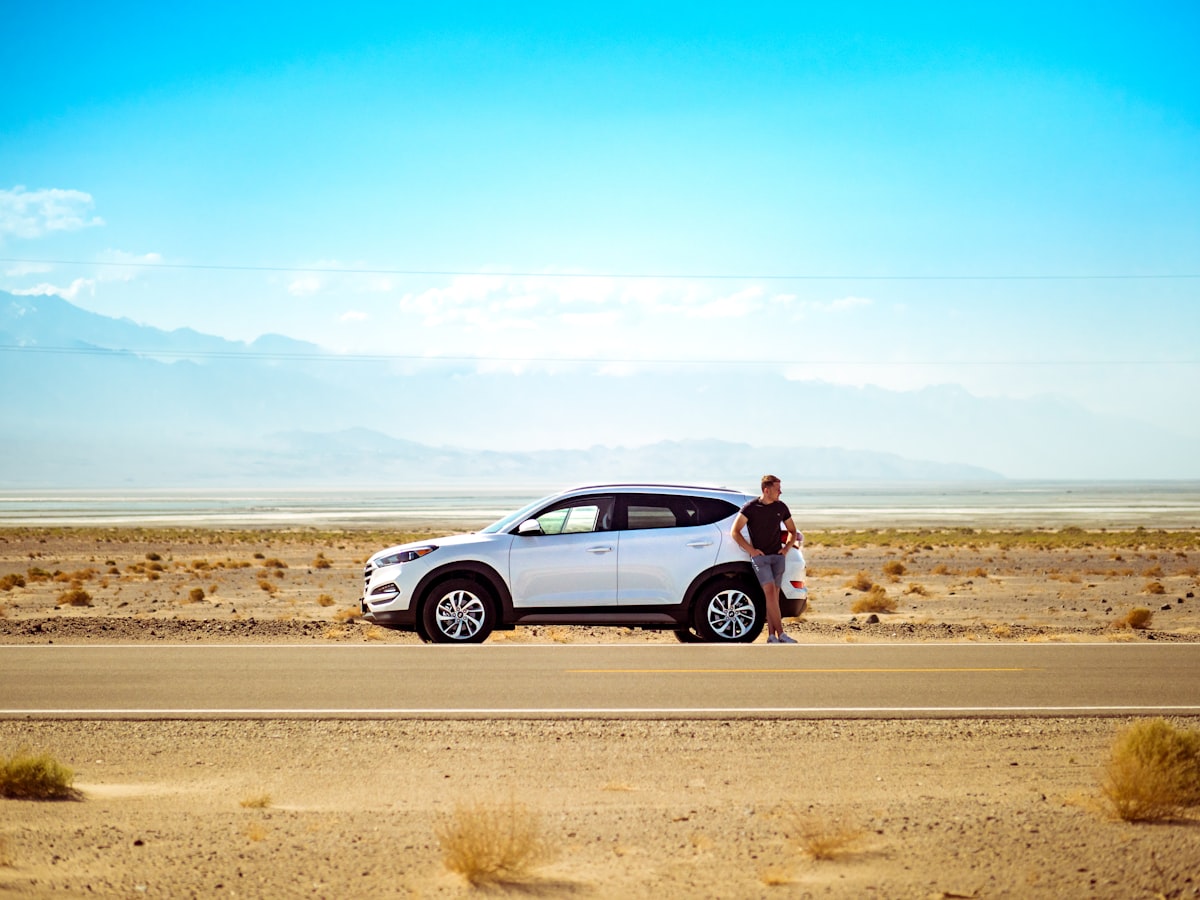
Washington DC is one of the few US capitals where you genuinely have to think twice before renting a car. The National Mall, the Smithsonian museums, and most of the marquee monuments sit within walking distance of a dense, well-run Metro system — and parking downtown can eat into your budget fast. But step outside the core tourist loop and a rental car quickly becomes the smartest way to see the region. Here’s how to decide, and how to do it right.
Do You Really Need a Rental Car in Washington DC?
If your entire trip is the National Mall, the monuments, and a couple of Smithsonian museums, you honestly don’t need a car. The Metro’s Red, Orange, Blue, and Silver lines connect nearly every major sight, and driving downtown means fighting for scarce, expensive parking. Save the car rental for the parts of your trip that fall outside that loop.
A rental car earns its keep the moment you want to see Mount Vernon, Great Falls Park, the Shenandoah Valley, or spend a day exploring Old Town Alexandria and Georgetown at your own pace — areas the Metro either doesn’t reach well or reaches slowly. Day trips to Annapolis, Baltimore, or the Virginia wine country are also far easier with your own wheels. The smart approach for most tourists: use the Metro for your first few days in the city core, then pick up a rental car exactly on the day you want to head out to the wider region. That way you avoid paying for parking you don’t use and still get full flexibility when you need it.
Best Car Rental Companies in Washington DC
All the major names operate in DC — Enterprise, Hertz, Avis, Budget, Alamo, and Sixt all have both airport counters and downtown locations. Airport locations tend to have the widest vehicle selection and longest opening hours, which matters if you’re arriving on a late flight. Downtown counters are more convenient if you’re staying in the city for a few days first and only need the car later in your trip, since you avoid a return trip to the airport.
The single best way to find the lowest rate is to compare across companies rather than book directly with one brand — prices for the same car category can swing by 30% or more between suppliers on the same dates. Compare car rental prices in Washington DC → and you’ll usually see the rate you’re quoted is the rate you actually pay at pickup, with no hidden add-ons sprung on you at the counter. Booking 1–3 weeks ahead, avoiding weekend pickup surcharges where possible, and choosing a location a few miles outside the airport perimeter are the three levers that consistently shave the most off the final price.
Airports for Car Rental in Washington DC
Three airports serve the DC region, and which one you fly into (or choose to rent from) can meaningfully change your price and your drive time.
DCA Reagan National Airport sits just across the Potomac from downtown DC and is directly connected to the Metro’s Blue and Yellow lines, making it the most convenient option if you’re not renting until later in your trip. Dulles International Airport (IAD) is about 26 miles west of the city in Virginia, and because it handles more international and long-haul traffic, it frequently has the most competitive rental rates of the three — worth the extra drive if you’re picking up on arrival. BWI Baltimore/Washington Airport, roughly 32 miles northeast in Maryland, rounds out the trio and is often overlooked, but it’s genuinely worth comparing, especially for week-long rentals where a small daily saving adds up.
The practical move: check rates at all three before you commit, since seasonal demand shifts which airport comes out cheapest from month to month.
How Much Does It Cost to Rent a Car in Washington DC?
Expect to pay somewhere between $45 and $100 per day for a compact car, with the exact figure depending heavily on season and which airport you rent from. Rates climb during the spring Cherry Blossom season and around major summer holidays, and ease off in the cooler months. On top of the daily rate, budget an extra 20–30% for airport concession fees and DC-specific taxes — these aren’t optional and it’s worth checking the total price before you finalize a booking rather than being surprised at pickup.
Booking online 1–3 weeks ahead of your trip consistently beats walking up to a rental counter, and it also gives you the option to cancel free of charge up to 48 hours before pickup if your plans change — useful if your itinerary is still in flux. Paying at pickup rather than upfront means you’re not out any money if something shifts.
Driving Rules in Washington DC
DC’s speed limits generally run 25 mph on city streets and up to 55 mph on some of the outer parkways, but the District is famously aggressive about enforcing them — speed cameras and red-light cameras are everywhere, and tickets get mailed to rental companies (and then to you) automatically. Drive the posted limit and you’ll be fine.
A few DC-specific quirks catch tourists off guard: right turns on red are banned at a large number of downtown intersections, even where there’s no obvious sign at first glance, so look carefully before turning. Streets around the Capitol, the White House, and other federal buildings are subject to unpredictable security closures that standard GPS apps don’t always reflect in real time, so build in some buffer if you’re driving near these areas. Pedestrians have the legal right of way at every crosswalk, and DC drivers — and enforcement — take that seriously.
Parking in Washington DC
Parking is the main reason many visitors skip a car for their downtown days. Street parking meters downtown typically run two-hour limits and fill up fast, especially near the Mall and museum row. Enforcement is strict and DC issues tickets briskly, so don’t gamble on an expired meter.
Parking garages near the National Mall generally charge $20–$40 per day, and prices climb further during peak tourist season or when there’s a major event downtown. If you want to save, look toward residential streets in Northwest DC neighborhoods slightly outside the core, where metered restrictions are lighter and some free unrestricted parking still exists on weekdays. Some of the National Mall’s own perimeter lots also offer free parking on weekdays if you’re an early arriver — worth checking before you pay for a garage.
Is a Car Necessary in Washington DC?
For the core sightseeing days, no — the Metro genuinely outperforms driving for getting between the Mall, the museums, and most downtown neighborhoods. It’s fast, frequent, and free of the parking headache entirely. Save your rental car specifically for the days you’re leaving the urban core: Mount Vernon, the Virginia countryside, Annapolis, or Shenandoah National Park are all far more enjoyable — and often only realistically reachable — with your own vehicle.
The ideal itinerary for most tourists: Metro for downtown DC, rental car for everything beyond it. That combination avoids paying for parking you don’t need while still giving you the freedom to explore the wider region on your own schedule.
Tips for Tourists Driving in Washington DC
Book your rental for the specific day you plan to leave the city core rather than for your whole trip, so you’re not paying for parking during days you’ll be on the Metro anyway. Compare all three area airports before booking, since the cheapest one shifts with the season. Confirm your driver’s license and IDP situation before you travel if English isn’t the primary language on your license. And remember that most rentals come with unlimited mileage and 24/7 roadside assistance included, so a spontaneous extra stop in Virginia or Maryland won’t cost you extra or leave you stranded if something goes wrong. Compare car rental prices in Washington DC →
Ready to book your car?
Compare prices, free cancellation and pay at pickup. No surprises.
View rental prices →Frequently asked questions
Do you need a rental car to visit Washington DC?
Which airport is best for renting a car near Washington DC?
How much does it cost to rent a car in Washington DC?
What is the minimum age to rent a car in Washington DC?
Is parking expensive in Washington DC?
Can I drive a rental car from Washington DC to Virginia or Maryland?
Do I need an International Driving Permit to rent a car in Washington DC?
What are the driving rules tourists most often miss in Washington DC?
Renting a car in Washington, D.C.?
Check our Washington, D.C. guide: prices, local providers and tips.
Car rental in Washington, D.C. →