Car Rental Houston: The Complete Guide to Renting a Car in Houston, TX
Everything you need to know about renting a car in Houston: airports, costs, insurance, tolls, parking and driving tips for the most car-dependent city in the USA.
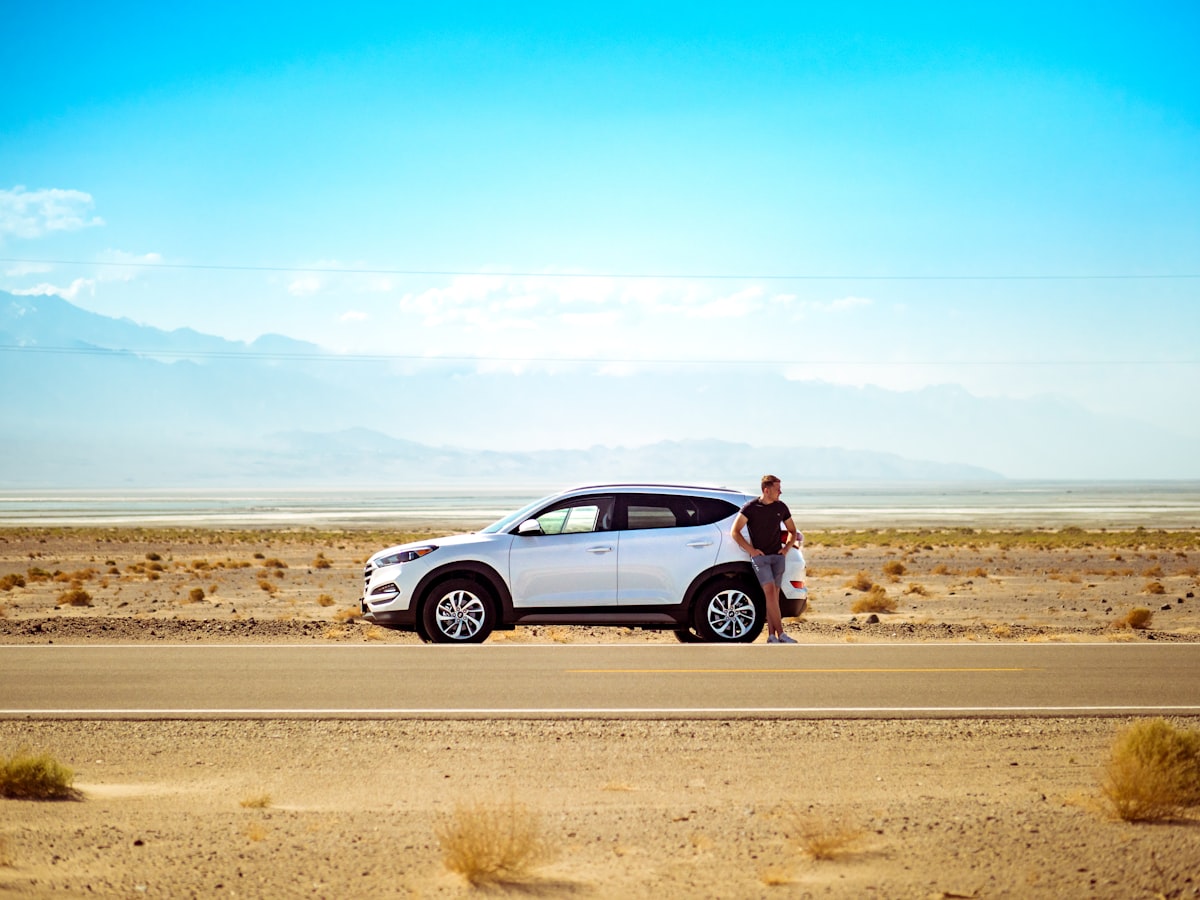
Houston doesn’t do things halfway, and that includes how spread out it is. This is a city built entirely around the car, and if you land at either airport expecting to hail a rideshare for everything, you’ll burn through your trip budget fast — and lose hours you could be spending in the Museum District or on a beach in Galveston. Renting a car here isn’t a luxury; it’s close to a requirement.
This guide walks through everything you need before you pick up the keys: which airport to fly into, what it actually costs, the insurance question, and how to survive Houston’s famous loops, tollways, and feeder roads without a wrong turn costing you thirty minutes.
Compare car rental prices in Houston →
Why Houston Is the Most Car-Dependent City in America
Houston covers more than 670 square miles, and unlike most major US cities, it never built a real rapid transit backbone. The MetroRail light rail system runs a handful of corridors that are useful if you happen to be staying near one, but it won’t get you from downtown to the Energy Corridor, or from the Museum District to Space Center Houston. There’s simply no substitute for four wheels here. Could you technically visit without a car? Sure, if your whole trip is one hotel and a few nearby restaurants. But the moment your itinerary includes more than one neighborhood — which it almost certainly will — a rental car pays for itself in time saved alone.
Houston Airport Car Rental: IAH vs HOU
Houston has two airports, and picking the right one changes your rental experience. George Bush Intercontinental Airport (IAH) is the larger of the two, with international routes and every major rental brand — Enterprise, Hertz, Avis, Budget, National, Alamo, Dollar, Thrifty — represented in a consolidated rental car facility. William P. Hobby Airport (HOU), on the south side of the city, is smaller and more convenient if you’re staying south of downtown or driving straight to Galveston. It has fewer counters but still solid availability. If your itinerary leans toward the coast, HOU can save you a chunk of driving time; if you need the widest selection of cars and companies, IAH is the safer bet.
How Much Does It Cost to Rent a Car in Houston?
Expect to pay $35–$65 a day for an economy or compact car booked in advance, $65–$100 for a midsize SUV, and $90–$150 or more for full-size SUVs and trucks. Airport locations tack on a 10–25% surcharge compared to renting off-airport, which is worth keeping in mind if you’re flexible on pickup location. Rates spike hard during the Houston Livestock Show and Rodeo (late February through March), major sporting events, and spring break — so if your trip overlaps with any of those, book early. As a rule, reserving 3–4 weeks ahead of time gets you noticeably better rates than booking last minute, and with Top Car Rental Deals the price you see at booking is the price you pay at the counter — no last-minute surprises.
Car Rental Insurance in Houston — What You Actually Need
Insurance is where a lot of travelers overpay without realizing it. Many credit cards already include collision damage coverage for rentals, which can make the counter’s Collision Damage Waiver (CDW) redundant — check your card’s terms before you fly. Texas requires minimum liability coverage, and most rental agreements meet that baseline automatically. Where it makes sense to add the CDW is if your own auto insurance at home doesn’t extend to rentals, or if you’d rather not deal with any claims process at all. Either way, read what’s actually covered before signing — “full coverage” language varies a lot between companies.
Understanding Houston’s Loop and Beltway System
Houston is organized in rings, and once it clicks, navigating gets much easier. I-610 — “The Loop” — circles the inner core of the city and connects most of the neighborhoods visitors care about. Beltway 8, also called the Sam Houston Tollway, is the middle ring and a tolled but often faster route between districts on opposite sides of the city. Furthest out is SH-99, the Grand Parkway, mostly used for reaching outer suburbs and, for most tourists, rarely necessary.
Houston’s Major Highways: I-10, I-45, and I-69
Three interstates do most of the heavy lifting. I-10, the Katy Freeway, is famously one of the widest highways in the world — some stretches run 26 lanes total, feeder roads included, which is disorienting the first time you see it. I-45 runs from downtown south to Galveston, making it the highway you’ll use most for a beach day trip. I-69 handles cross-town traffic to the southwest. Traffic on all three is heaviest weekdays from 7–9 AM and 4:30–7 PM; a GPS app with live traffic data isn’t optional here, it’s essential.
The EZ-Tag Toll System in Houston
EZ-Tag is Houston’s electronic toll system, run by the Harris County Toll Road Authority, and it covers the Sam Houston Tollway, the Hardy Toll Road, the Westpark Tollway, and parts of SH-99. Rental cars generally don’t come with a transponder installed, so if your route includes any of these roads — and it likely will — you have two choices: enroll in the rental company’s TollPass or PlatePass program for $5–$15 a day, or let the toll get billed to the rental company by plate, which usually comes with a $15–$25 administrative fee per occurrence on top of the toll itself. If you’re driving more than a couple of days, the flat daily program is usually the better deal.
Parking in Houston: Downtown, Midtown, and Beyond
Downtown Houston has plenty of parking garages and lots, typically $10–$25 for a full day, with street meters running $1–$2 an hour. Apps like ParkMe and SpotHero help you find and pre-book cheaper spots before you arrive. Midtown and Montrose have more casual street parking near restaurants and bars, while the Museum District and Hermann Park area offer a mix of street spots and small paid lots. One thing to watch: game days at NRG Stadium or Minute Maid Park send parking prices up and availability down fast, so plan to arrive early if your visit overlaps with a Texans or Astros game.
Top Neighborhoods to Know When Driving Houston
A few neighborhoods come up constantly in any Houston itinerary. The Heights and Garden Oaks offer a walkable, historic feel with good restaurants once you’ve parked. The Galleria and Uptown area is Houston’s shopping and dining hub, dense with traffic during the day. The Energy Corridor, west of downtown, is more business-oriented but comes up if you’re staying near it for work. Knowing roughly where these sit relative to I-610 will save you a lot of confusion when mapping routes.
Tips for First-Time Drivers in Houston
The single biggest adjustment for first-timers is the feeder road (frontage road) system that runs parallel to almost every freeway — locals use them constantly for local access, and you’ll need to as well to reach many exits and businesses. HOV and express lanes are common on the busiest corridors and can save real time during rush hour if your rental qualifies and you know the entry points. Before returning the car, fill up outside the airport — gas near IAH and HOU tends to run higher than at stations a few miles out.
Between the loops, the tollways, and the sheer size of the place, Houston rewards a little planning before you land. Get the airport choice right, understand the toll setup, and book your car with enough lead time to lock in a fair rate, and the driving part of your trip will be the easy part.
Compare car rental prices in Houston →
Ready to book your car?
Compare prices, free cancellation and pay at pickup. No surprises.
View rental prices →Frequently asked questions
Do I really need to rent a car in Houston?
Which Houston airport has better car rental options — IAH or HOU?
How much does car rental in Houston typically cost per day?
What is the EZ-Tag and do rental cars have it?
Is it difficult to drive in Houston as a first-timer?
Can I avoid toll roads in Houston?
Where should I park if I'm visiting Downtown Houston?
What type of car should I rent for Houston?
Renting a car in Houston?
Check our Houston guide: prices, local providers and tips.
Car rental in Houston →