Should I Rent a Car in Italy? The Honest Split by Region
Should you rent a car in Italy? Skip it in Rome, Florence and Naples — ZTL cameras will find you. Book one for Tuscany, Puglia and Sicily. Here's the real split.
Ask ten people who’ve driven in Italy whether you should rent a car, and you’ll get ten different answers — because they’re each describing a different half of the country. Italy isn’t one driving experience. It’s two, and they barely overlap.
The honest split
Countryside Italy — Tuscany, Puglia, inland Sicily, the Dolomites — was built for a car. Historic-centre Italy — Rome, Florence, Naples — was built centuries before cars existed, and it shows: narrow lanes, camera-enforced restricted zones, and parking that costs more than the hotel. Get this split right and the whole trip gets easier. Get it wrong and you’ll be explaining a mystery charge on your credit card statement eight months after you got home.
Where a car does NOT make sense
Rome, Florence, Venice, Naples
These four cover most first-time Italy trips, and in all four a rental car creates more problems than it solves.
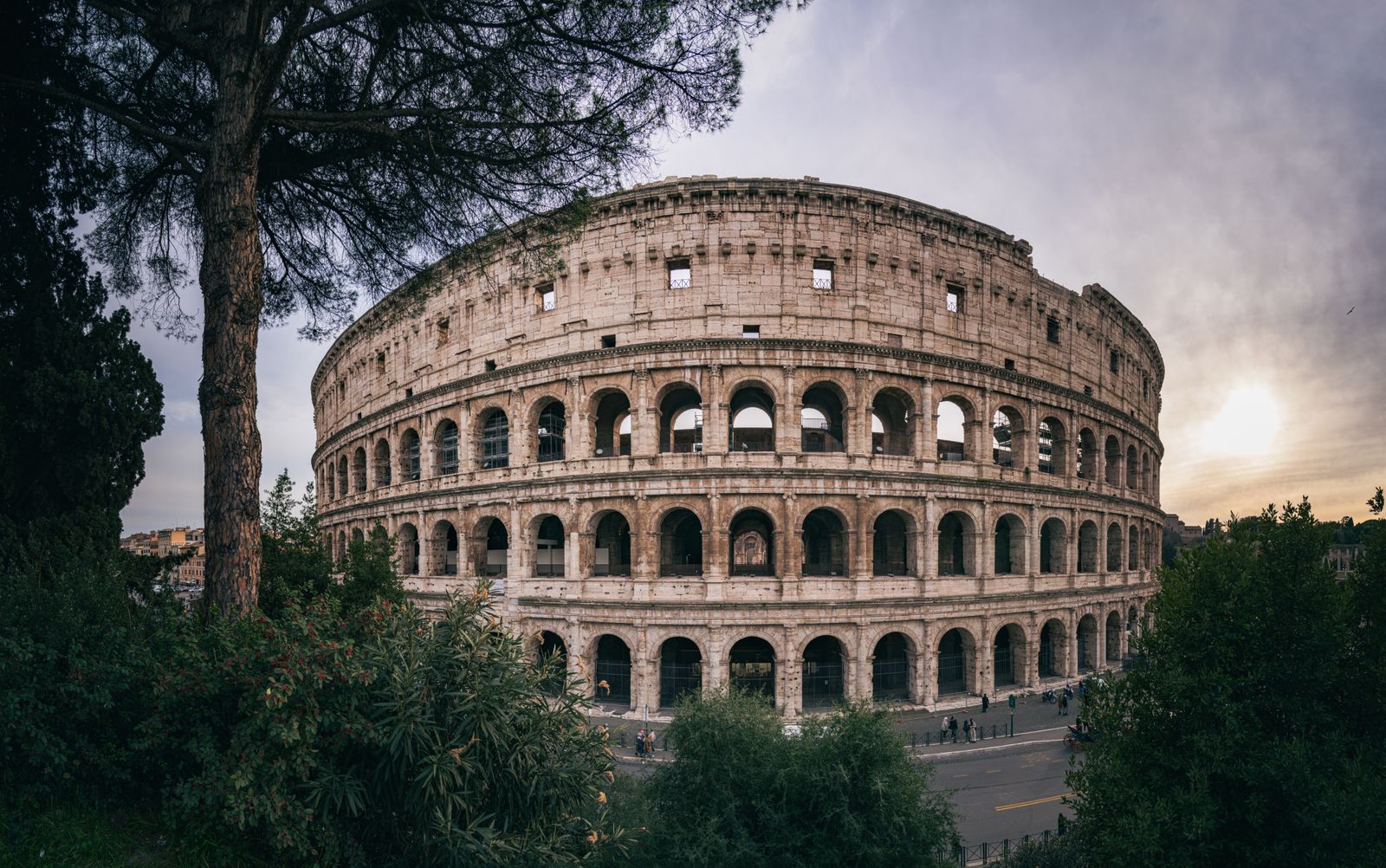
Rome’s ZTL covers the entire historic centre — inside the Aurelian Walls, more or less. The cameras don’t warn you; there’s no gate, no ticket machine, just a sign and a lens. Cross the line during restricted hours and the base fine lands around €80–€110. The rental company then tacks on its own admin fee for processing the paperwork — typically €30–€60 — so you’re looking at roughly €130–€170 total, charged to your card with zero advance notice. And here’s the part that catches people off guard: the notice can take weeks, but in plenty of documented cases it’s taken the better part of a year to actually arrive. By then the trip is a memory and the charge feels like it came out of nowhere.
Florence runs the same system and arguably enforces it harder — the ZTL swallows most of the centre, and the hours are timed precisely to catch tourists who think they can nip in to drop bags at the hotel. Park at a garage outside the walls (most hotels will tell you exactly which one) and taxi or walk the rest.
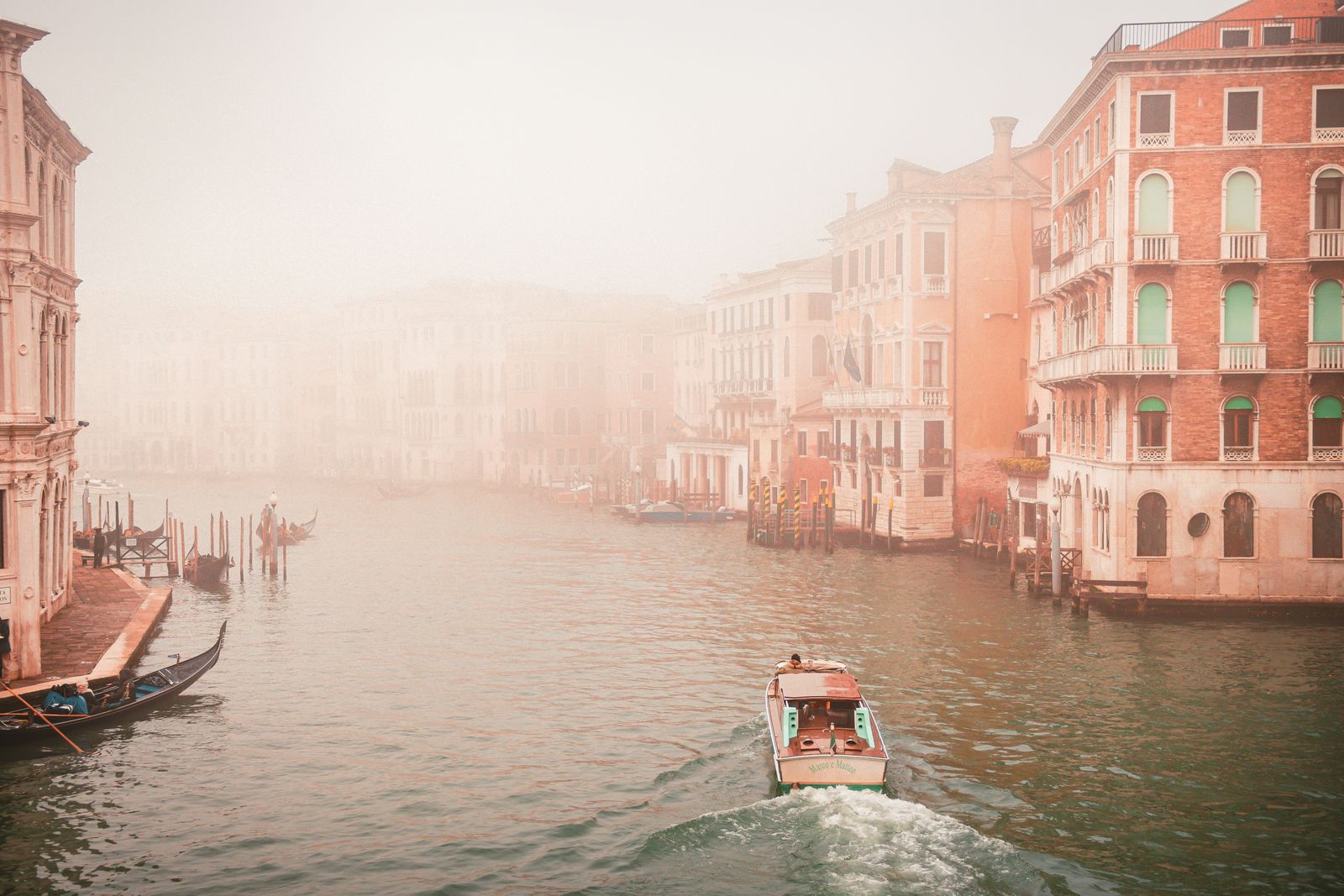
Venice has no roads to drive on, so this one answers itself.
Naples technically has streets a car can use, but between the traffic, the parking situation and a metro that actually works, there’s no upside to having a rental sitting in a garage while you walk everywhere anyway.
Where the train quietly wins
This is the part a lot of first-time visitors don’t do the math on. Trenitalia’s Frecciarossa and the competing Italo network connect Italy’s biggest cities faster than most people expect:
- Rome → Florence: about 1h 30m
- Rome → Milan: about 3h
- Rome → Naples: about 1h 10m
- Florence → Venice: about 2h
- Milan → Venice: about 2h 30m
Add up what a rental actually costs for a city-to-city trip — fuel at roughly €1.80–€1.90 a litre, tolls, and €25–€40 a day for a hotel garage or city parking — and for two or three people the train fare often comes out cheaper, before you’ve even factored in the ZTL risk. If your itinerary is Rome–Florence–Venice–Milan and nothing else, book trains and skip the car entirely.
Where a car IS essential
Tuscany
The Tuscany people actually picture when they book the trip — cypress-lined driveways, wine estates, hill towns you’ve never heard of — sits well outside the train network. Florence and Siena are connected by rail, but the moment you want Pienza, Montepulciano, Montalcino, Bagno Vignoni or one of the hundreds of agriturismi scattered through the Val d’Orcia, you need your own wheels.
The classic route is the Via Chiantigiana (SR222) through Chianti from Florence down to Siena, then east into the Val d’Orcia. A small hatchback handles it fine — the white gravel strade bianche are optional scenic detours, not the only way through. One thing worth flagging: Siena’s own historic centre has its own ZTL, so park at one of the paid lots just outside the walls (Il Campo is a 10-minute walk from several of them) and go in on foot.
For the full rundown on how ZTL fines actually work — and how to keep from becoming a statistic — our guide to driving in Italy breaks down the fines, tolls and parking rules town by town.
If a Tuscany stretch is part of your plan, check current rental prices for Italy here before you commit to dates — availability for small automatics tightens up fast from May through September.
Sicily
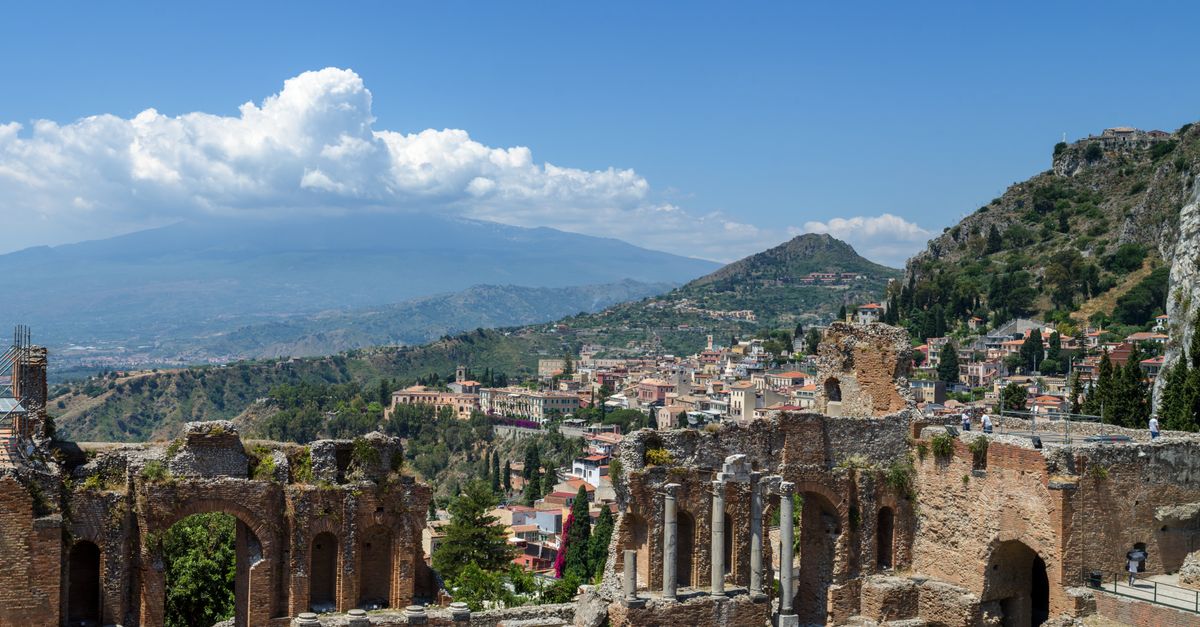
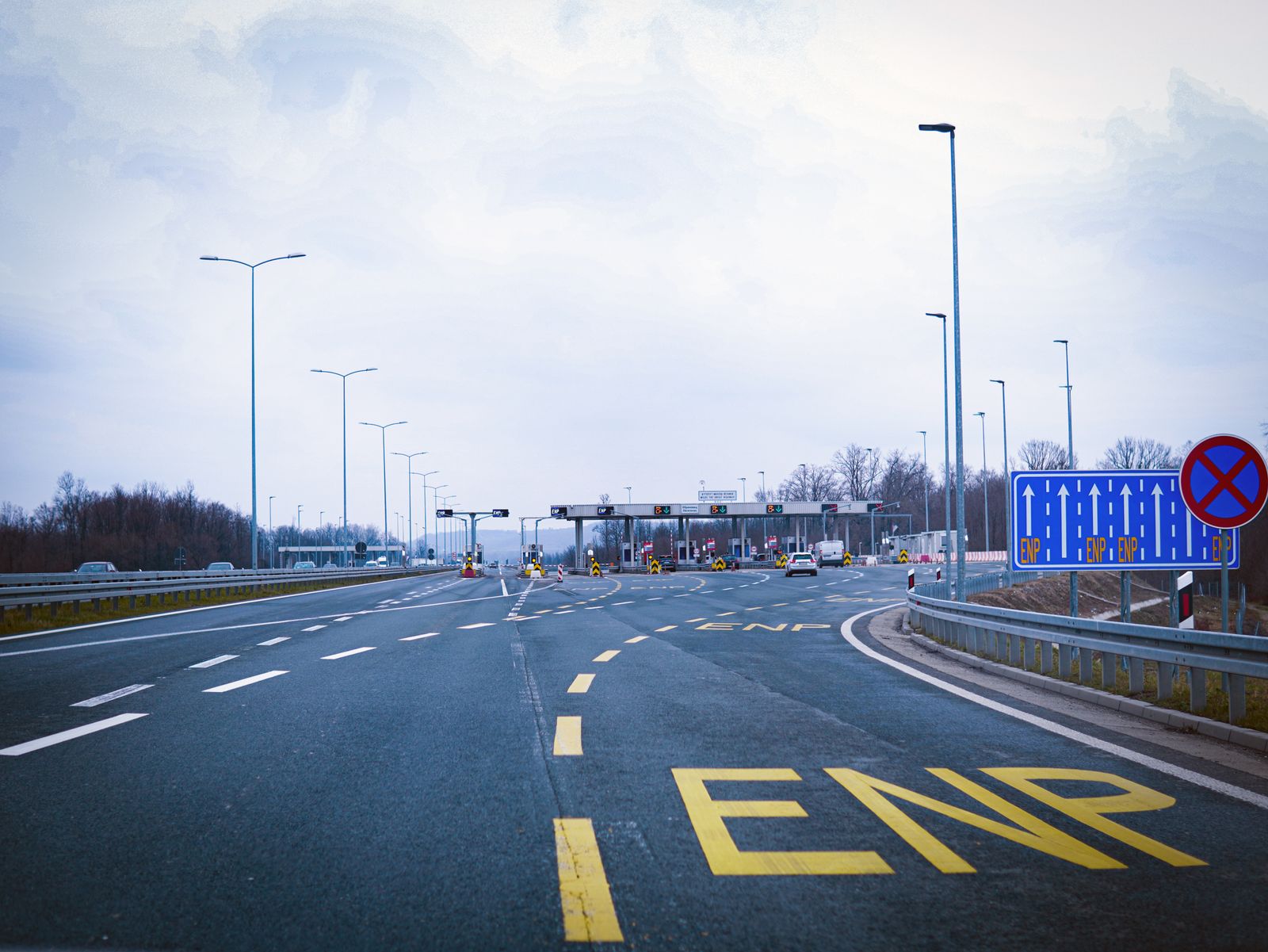
Inland Sicily — Agrigento, Piazza Armerina, the Baroque towns of the Val di Noto, Ragusa Ibla, the coast between Agrigento and Sciacca — technically has buses and trains, but on schedules built for locals commuting to work, not travellers hopping between towns on a five-day trip. The autostrade (A18 Messina–Catania, A19 Palermo–Catania, A20 Palermo–Messina) carry tolls but the distances are short enough that it barely matters. Palermo and Catania both have their own ZTLs in the centre — same rule as everywhere else: park outside, walk in.
Puglia
Lecce, Alberobello, Locorotondo, Ostuni, the Salento coast, Matera just over the regional border in Basilicata — regional trains and buses connect most of these, but not on a schedule that lets you chase a sunset in one town and breakfast in another. A car covers the whole heel of Italy in two or three unhurried days.
The Amalfi Coast hinterland
The coast road itself (the SS163) is narrow, jammed solid in July and August, and genuinely stressful to drive — most people who’ve done it once take the ferry the second time. But the hill towns above it — Ravello, Scala, Tramonti, Agerola — and the inland approach from Salerno are a completely different, much calmer driving experience. For the coast strip itself, the ferry between Positano, Amalfi and Salerno paired with the SITA bus beats driving on every measure except stubbornness.
The Dolomites
Alto Adige, the Tre Cime di Lavaredo area, the Sella Ronda circuit, the Val Gardena — none of this is reachable without a car or an organised tour bus. The mountain passes (Gardena, Sella, Campolongo) close for winter but rank among the best driving roads in Europe once they reopen in late spring.
Rural Basilicata and Calabria
Matera connects to Bari by train, but the rest of Basilicata — Aliano, Craco’s abandoned hilltop ruins, Maratea on the coast — needs a car, and the same goes for most of Calabria past the main coastal towns.
So what should you actually book?
The simplest rule that holds up: if the trip is cities only, skip the car and ride the rails. If it includes any countryside stretch, you need a car for that portion, full stop. For a two-week trip covering both, the structure that works best is trains between the big cities and a rental picked up in a smaller hub — Siena, Bari, Palermo, Trento — rather than in Rome or Florence, where ZTL boundaries and parking scarcity just add friction to picking the car up in the first place.
A few things worth sorting before you go, if a car is part of the plan:
- Book the automatic early. Italy skews heavily manual-transmission; automatics get scarce and pricier the closer you get to peak summer.
- Look up the ZTL hours for every town on your route before you arrive — Infomobility.it lists most of them. If you’re not certain whether a street is inside the zone, don’t drive it.
- Carry an International Driving Permit if your licence isn’t EU/EEA. It’s required by law (Article 135 of the Codice della Strada), rental desks are inconsistent about asking for it, and a roadside check without one runs €408 to €1,634 — a bad way to find out the rule was real.
- Know your fuel type before you pull away: benzina is petrol, gasolio is diesel. Misfuelling costs far more than the tank you were trying to fill. And if you’re American, bring a card with a chip and PIN — unmanned motorway pumps routinely reject US-style credit cards.
Italy rewards the traveller who knows when to hand the keys back. Keep the car for the hills and the coastline, leave it parked outside the old walls, and the trip more or less plans itself from there.
Ready to book your car?
Compare prices, free cancellation and pay at pickup. No surprises.
View rental prices →