Driving in Slovenia: Vignette, Rules and Rental Car Tips
Driving in Slovenia: how the vignette works, the separate Karavanke tunnel toll, IDP rules, speed limits and what to confirm before you take the keys.
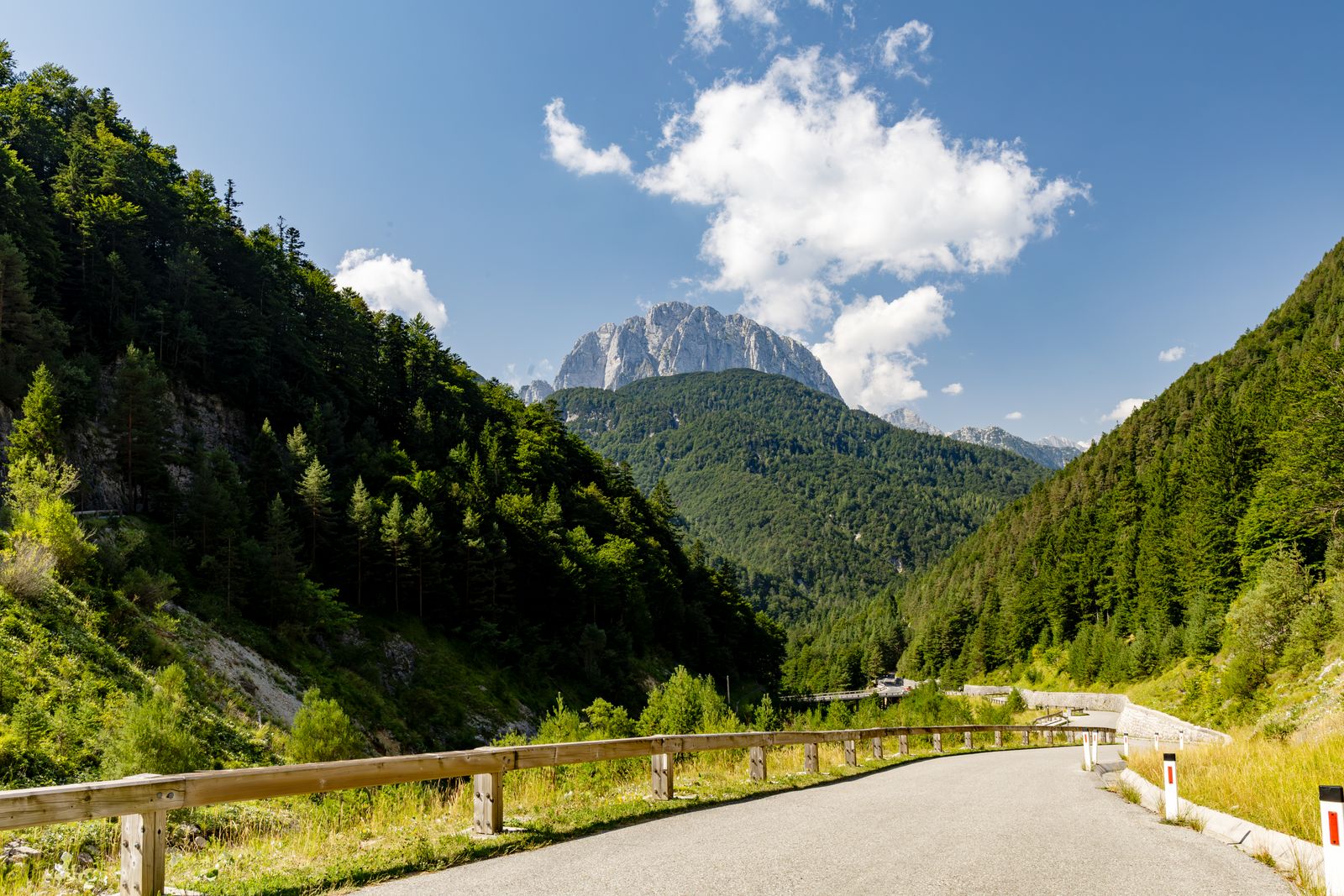
Slovenia packs an unreasonable amount into a small country. Breakfast in Ljubljana, Lake Bled by midday, karst caves or a stretch of Adriatic coast before dinner, and none of it involves a distance most countries would even call a trip. The roads are good, the signage is clear, and Slovenian drivers are long since used to tourists fumbling with a rental car. Driving in Slovenia itself isn’t the problem. A few specific, easy-to-miss rules are: a toll sticker that stopped being a sticker, a tunnel that bills you separately from everything else, and licence requirements that hinge on exactly where your card was issued.
Do you need a vignette? Yes, and it’s probably not what you’re picturing
Every vehicle on a Slovenian motorway (avtocesta) or expressway (hitra cesta) needs a valid vignette. Since 2022, it’s been a digital e-vinjeta registered against your number plate and checked by cameras, no border guard squinting at your windscreen required. Prices for a car sit at roughly €16 for a week, €32 for a month and €117.50 for a year (2026 rates), and driving without one risks a fine in the €300 to €800 range, plus buying one on the spot anyway.
This is where rental cars create a real snag that most driving guides skip over. The vignette is tied to a specific plate, so you can’t buy one in advance without knowing which car you’ll be handed, and you won’t know that until you’re standing at the counter. In practice, one of two things is true: the rental company already registered a vignette for that plate and folded the cost into your rate, or they haven’t and expect you to sort it yourself before joining the motorway. Ask which one applies before you drive off, and get the answer in writing on your rental voucher, not a verbal “yeah, it’s covered” that’s hard to prove later. Need to buy your own? It takes a couple of minutes online or at any petrol station, once you have the plate number.
One bit of good news: plenty of regular roads, including the way into central Ljubljana and most routes to Lake Bled, don’t need a vignette at all. You only need it once you join a proper motorway or expressway, which is clearly signed before the on-ramp.
Compare car rental deals in Slovenia →
The Karavanke tunnel toll nobody warns you about
If your route crosses into or out of Austria through the Karavanke tunnel, a common move for anyone combining Slovenia with a longer Alps road trip, budget for a second, separate charge. The tunnel toll runs at around €9 per car per single crossing, and it has nothing to do with your vignette. Heading south into Slovenia, you pay at the Austrian side (ASFiNAG); heading north, you pay at the booths on the Slovenian side, in Hrušica. It covers one trip only, so a return journey means paying it twice.
It’s an easy detail to miss, and exactly the sort of thing that turns into an awkward surprise at a toll booth with a queue building behind you.
What licence do you actually need?
A lot of advice on this gets vague. The specific version:
- EU and UK photocard licences are valid to drive in Slovenia as they are: no IDP required.
- UK paper licences (the older, pre-photocard format) do need an International Driving Permit, or an upgrade to a photocard licence before you travel.
- US, Canadian and Australian licences need an IDP alongside the normal one. It’s cheap to arrange at home (through AAA in the US, for instance), not something to sort out after you’ve landed.
If there’s any doubt, carrying an IDP costs little and settles the question outright: some rental desks ask for one as extra ID even when it isn’t strictly required. For the full breakdown by nationality, see our guide to IDP rules across Europe.
Speed limits and the rules that catch tourists out
| Road type | Limit |
|---|---|
| Built-up areas | 50 km/h (40 near schools) |
| Open roads | 90 km/h |
| Expressways | 110 km/h |
| Motorways | 130 km/h |
A few rules surprise visitors more than the numbers themselves:
- Dipped headlights are mandatory at all times, day and night, all year round, not a winter-only rule.
- As a rule, no right turn on red — unless a sign at that specific junction says otherwise. Drivers used to that habit from parts of North America should default to waiting for green.
- Alcohol limit is 0.05%, dropping to a flat 0.00% for anyone under 21 or who has held a licence for under two years.
- Handheld phone use is banned outright, and enforcement is active.
- Radar cameras are common on both motorways and ordinary roads, and fines for serious violations (speeding well over the limit, dangerous overtaking) can run into four figures on the spot.
Required kit, and who to call if something goes wrong
Slovenian law requires every car to carry a warning triangle, a first-aid kit and a high-visibility reflective vest. Rental cars come with all three in the boot already, but check before you drive off rather than after you’ve broken down. If you do have to stop on the hard shoulder or the road itself, put the vest on before you get out, not after. Third-party liability insurance is compulsory too, but that’s bundled into every legal rental agreement, so it’s not something you need to arrange yourself.
If there’s an accident or breakdown, the numbers to know are 113 for the police, 112 for the general emergency line (ambulance, fire, or anything urgent — operators handle English), and, for roadside assistance separate from whatever helpline your rental company gives you, Slovenia’s automobile association (AMZS) runs on 1987. A European Accident Statement form, a shared bilingual form both drivers fill in and sign on the spot, makes an insurance claim far smoother than reconstructing the details afterwards — ask at the rental desk if they carry one.
Worth knowing too: Google Maps and Waze are generally fine here, but both have been known to route drivers over mountain passes that are closed or unsuitable for the season. Cross-check anything that takes you over the Julian Alps against official road condition sources before you commit to it.
Winter driving in Slovenia: mountain roads and tyre rules
Slovenia requires winter tyres (or summer tyres plus snow chains) by law between 15 November and 15 March, and outside that window too if the road is icy or snow-covered. Rental companies fit winter tyres for pickups inside that period, but confirm if your trip starts just before the cutoff or heads up into the Julian Alps, where conditions turn faster than the calendar suggests. The high mountain passes, Vršič being the best known, close outright for stretches of winter. Check current conditions before planning a route over one.
Parking in Ljubljana and the small towns
Ljubljana’s old town is largely closed to private cars, which suits it fine on foot: it’s compact, flat and easy to walk. Leave the car at one of the park-and-ride sites or garages around the centre and use your feet or the free city bikes from there. The same logic applies at Lake Bled and in coastal towns like Piran, where centres are narrow, pedestrianised, and not built with rental cars in mind. Look for paid car parks at the edge of the old core. Street parking there is largely wishful thinking.
Crossing into Croatia, Austria or Italy
Slovenia sits wedged between four other countries, so plenty of road trips through it continue somewhere else: down to Zagreb or the Croatian coast, north into Austria’s Alps, west toward Trieste in Italy, or east into Hungary. As of mid-2026, Slovenia still runs selective, spot checks at its border with Croatia — reintroduced in 2023 and repeatedly extended, with the current authorisation covering the period through December 2026 — so don’t assume you’ll simply drive through without ever being asked for ID. Austria runs its own checks on the Slovenian border too, so keep your passport or ID within reach whichever direction you’re heading.
Border rules aside, the one call you actually need to make yourself is with your rental company. Confirm before you leave that cross-border travel is permitted on your contract, whether it costs extra, and that your insurance holds up on the other side. Some smaller local operators restrict this to certain countries or charge a fee that’s cheaper to know about in advance than to discover afterwards.
Fuel: the colours are swapped
One small thing that catches out plenty of drivers, especially Americans: petrol pumps in Slovenia are green and diesel pumps are black, the reverse of what many are used to at home. Double-check before you fill up, especially at unmanned self-service stations where nobody’s around to catch the mistake for you. Fuel prices sit close to the EU average, somewhere around €1.55 to €1.70 a litre depending on the month and the fuel type.
What to book
A compact car covers Ljubljana, Bled and the coast without any trouble; the roads are good enough that you don’t need anything larger. If a mountain pass or gravel forest track is on your list, a car with a bit more ground clearance is worth the small extra cost. Minimum age at most companies is 21, sometimes with a young-driver surcharge below 25, and you’ll typically need to have held your licence for at least a year or two.
Check current rental prices in Slovenia →
Before you leave the rental desk
Slovenia is one of the easier countries in Europe to drive across. The roads are in good shape, distances are short, and nobody’s trying to catch you out. What’s worth sorting before you drive off is short and specific: confirm the vignette is on your plate, remember the Karavanke tunnel bills separately, carry the right paperwork for your licence, check the triangle and vest are actually in the boot, and keep half an eye on the fuel pump colour.
PDF Official tolling regulation (DARS, Slovenian motorway operator)Ready to book your car?
Compare prices, free cancellation and pay at pickup. No surprises.
View rental prices →