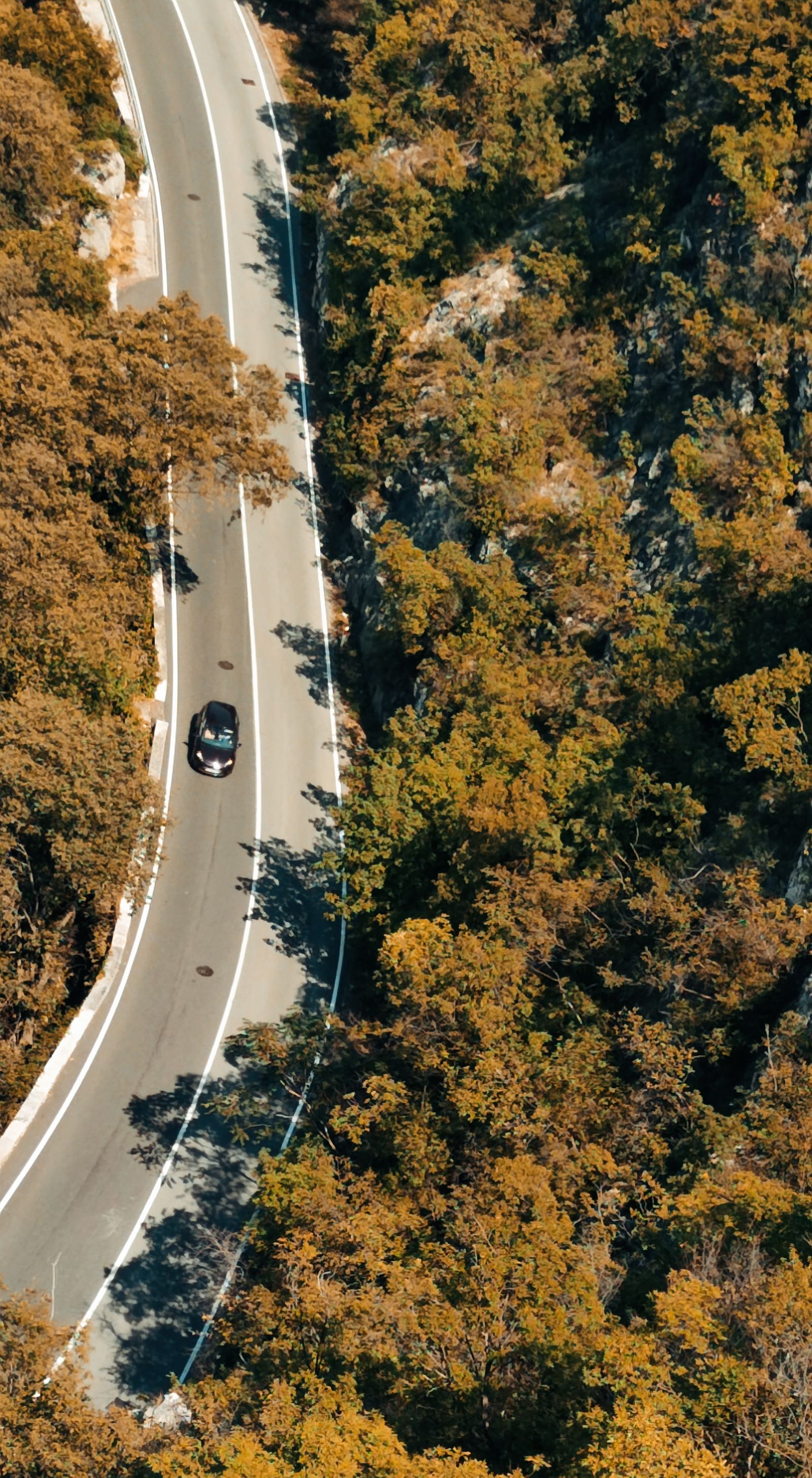
Driving in Croatia: Tolls, Islands and Rental Car Tips
Driving in Croatia explained: motorway tolls, island ferries, border rules, parking and the routes where a rental car is worth it.
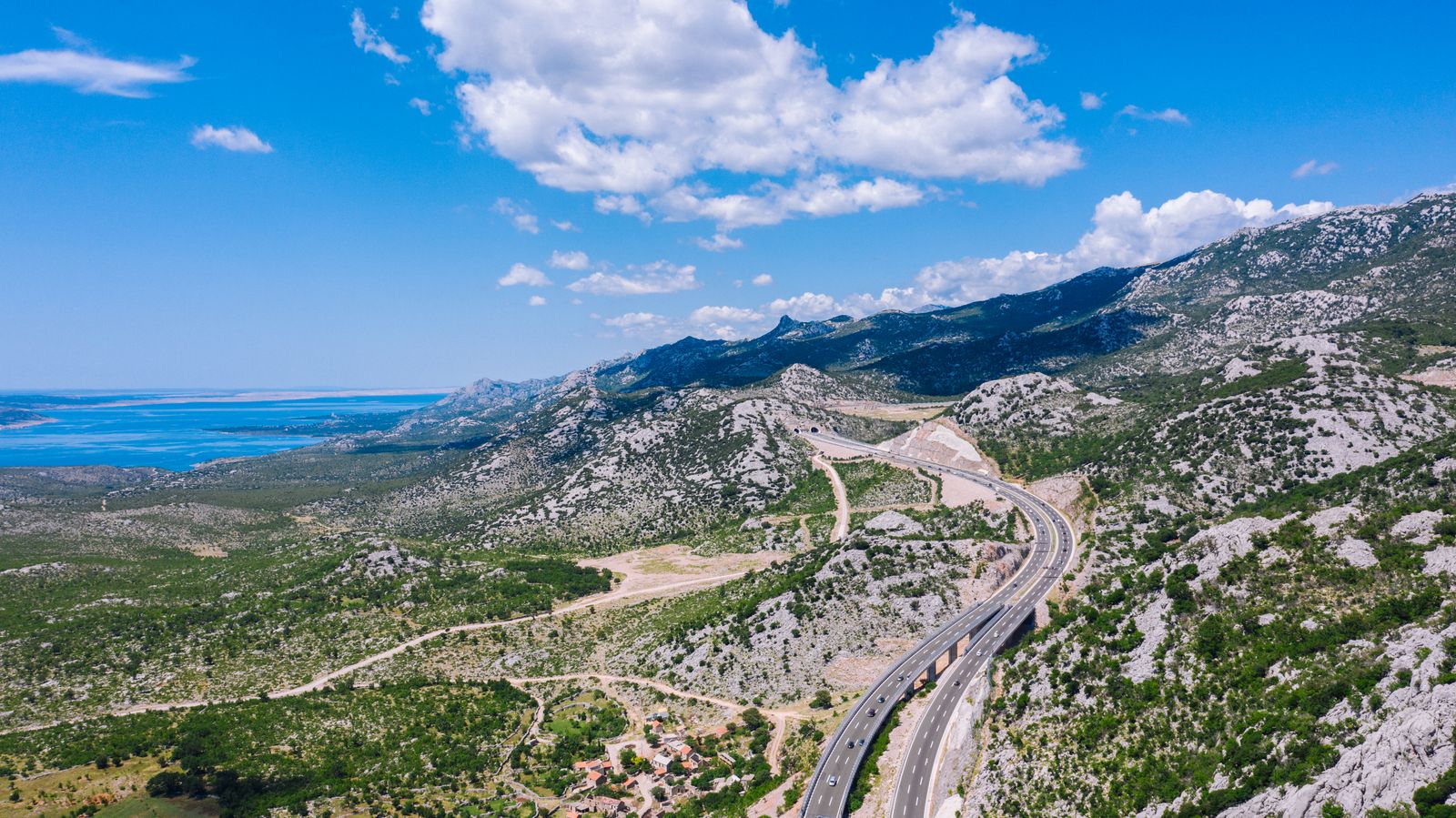
Croatia is one of those countries where a car opens the trip up. Dubrovnik is beautiful without one, Split has enough for a city break, and the islands have ferries. But if you want Plitvice, Istria, Krka, the Makarska Riviera or small coastal towns, driving makes the itinerary far easier.
The main roads are good, the scenery is excellent, and distances are manageable. The things to understand before you book are tolls, ferries and parking.
Motorways and tolls
Croatia drives on the right. Motorways are modern and fast, especially the A1 linking Zagreb, Zadar, Split and Ploče. Most motorway sections use a classic ticket system: collect a ticket at the entry barrier and pay when you exit. Cards are widely accepted, but keep a little cash as backup.
The coastal road is slower but prettier. It hugs cliffs, towns and bays, which means views and traffic in equal measure. In July and August, build slack into the day.
Compare car rental deals in Croatia →
Dubrovnik, Split and old towns
Do not plan to drive inside old towns. Dubrovnik is the obvious example: parking near the walls is limited and expensive, and the city is best on foot. Split is similar around Diocletian’s Palace.
The smart setup is to book accommodation with parking or use a garage outside the historic centre. Use the car for day trips, not for moving three streets across town.
Ferries and islands
Croatia’s islands are tempting with a car: Brač, Hvar, Korčula, Cres, Krk and others. Ferries can take vehicles on many routes, but two things matter. First, you usually pay per car and passenger, and summer queues can be long. Second, your rental agreement must allow ferries or island travel.
If an island is just a day trip, sometimes it is easier to leave the car on the mainland and go as a foot passenger. If you are staying several nights, taking the car may be worth it.
Borders with Bosnia, Montenegro and Slovenia
Many Croatia road trips cross a border, even briefly. Dubrovnik used to involve passing through Bosnia’s Neum corridor, though the Pelješac Bridge now avoids that for many routes. Still, travellers often add Mostar, Kotor, Ljubljana or Slovenia’s coast.
Tell the rental company before crossing borders. Cross-border permission may be included, restricted or charged separately. If you skip this and have an accident outside Croatia, insurance can become messy fast.
Best routes for a rental car
Plitvice Lakes is much easier with a car than by trying to align bus schedules. Istria is perfect for a loop through Rovinj, Pula, Motovun and hill towns. Dalmatia works well as Split to Dubrovnik with stops at Makarska, Ston and beaches along the way.
For a wider comparison of road-trip ideas, this pairs nicely with our guide to the best road trips in Europe.
What to book
A compact car is enough for most trips. Go smaller if you will stay in old towns or on islands; go automatic only if you need it, because manuals are usually cheaper and more available. Check mileage, ferry rules, border rules and deposit before you pay. In Croatia, the right car is not the biggest one. It is the one whose conditions match the route.
Ready to book your car?
Compare prices, free cancellation and pay at pickup. No surprises.
View rental prices →