Driving in Cyprus: What to Know Before You Rent a Car
Everything you need to drive in Cyprus: driving on the left, the North Cyprus insurance trap, automatic vs manual, parking and the rules that catch tourists out.
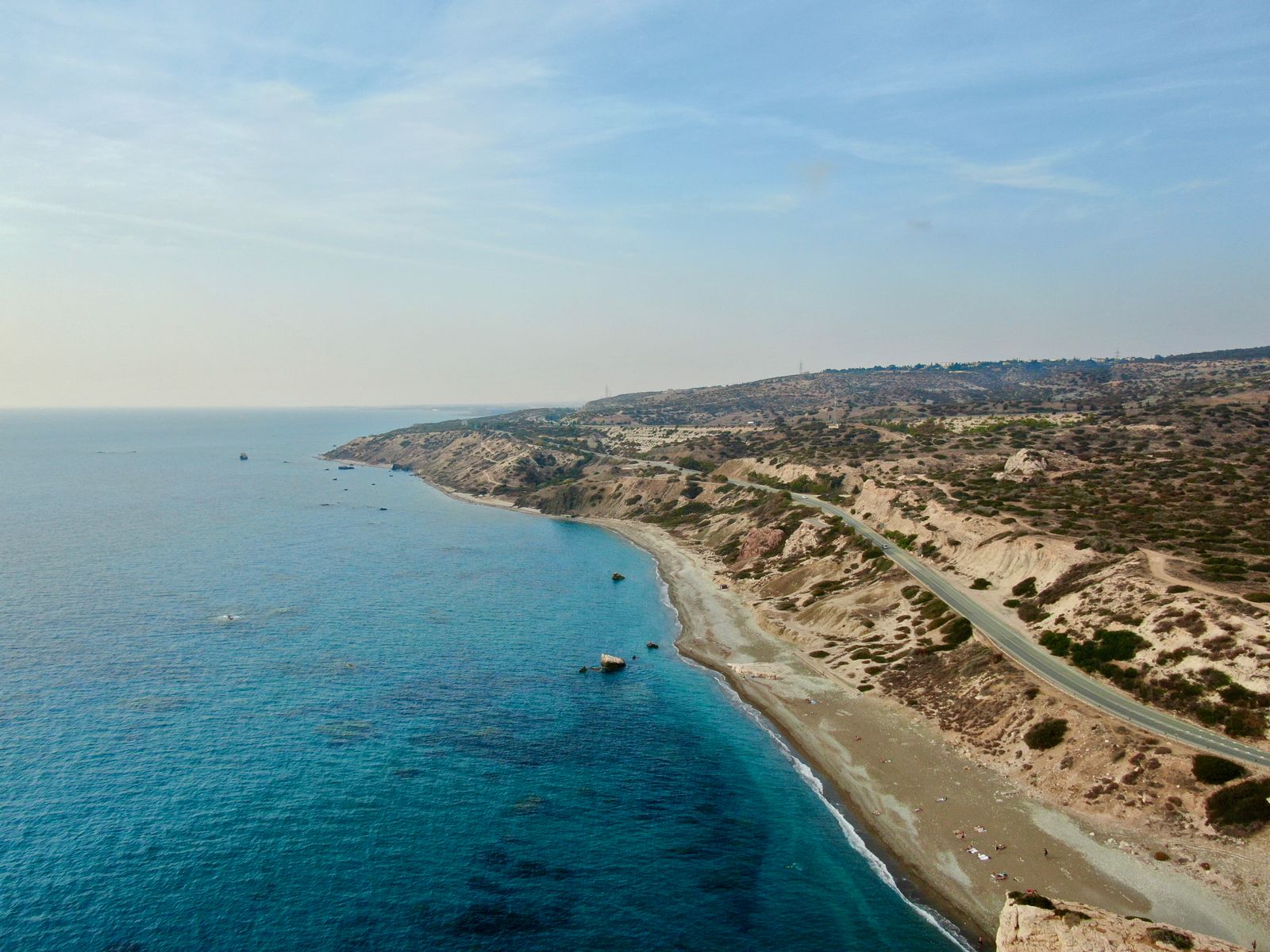
Cyprus is one of the easiest places in the Mediterranean to explore by car. The island is small, the roads are good, and almost everything worth seeing, from the Troodos mountains to the beaches of Ayia Napa, is far easier to reach with your own wheels than on patchy bus routes. But two things catch first-time visitors out: the side of the road you drive on, and a border unlike any other in Europe. Here’s what you need to know before you pick up the keys.
You drive on the left
Cyprus drives on the left, a leftover from British rule. It’s one of only four places in Europe that does, along with the UK, Ireland and Malta. If you’re coming from any of those, you’ll feel at home. If you’re used to driving on the right, give yourself a day to adjust. That includes visitors coming from nearby Greece, where the layout is the exact opposite.
- Roundabouts run clockwise; give way to traffic already on the roundabout, coming from your right.
- The steering wheel is on the right side of the car, and the gear stick is on your left if you take a manual (most rentals are automatic, more on that below).
- The trickiest moment is pulling out of a quiet car park or side street onto an empty road, not a roundabout or a motorway, when instinct sends you back to the wrong side. Most near-misses tourists report happen exactly there. Say “stay left” out loud until it sticks.
Most visitors say the adjustment takes about a day, and after that it stops requiring conscious effort.
Crossing into Northern Cyprus: what’s allowed
This is the question that causes the most confusion. Short version: you can, but not with the insurance you drove off the lot with.
Cyprus has been divided since 1974: the Republic of Cyprus in the south (EU territory, where your rental almost certainly comes from), and the Turkish-controlled north, recognised only by Turkey. A single line runs across the island, known locally as the Green Line, with several crossing points, including the popular pedestrian one on Ledra Street in central Nicosia. Take a rental car across it, and here’s what happens.
- Ask your rental company for written permission before you go. Plenty of local operators forbid it outright in the contract; a few of the bigger international chains allow it if you ask ahead. Don’t assume either way, and check the cross-border clause yourself.
- Your Republic of Cyprus insurance stops working the moment you cross. It isn’t valid in the north.
- You buy separate cover at the border instead. Kiosks at crossings like Agios Dometios (Metehan) in Nicosia sell short-term Turkish third-party insurance, roughly €20 for three days or €35 for a month, cash or card. Desks keep limited hours, so don’t expect them open late or on Sundays.
- That border insurance covers only third-party liability: damage or injury you cause to someone else. It does not cover damage to the rental car itself, theft, or a windscreen chip from a gravel road. Scrape or crash the car in the north and you’re paying for it in full, with no backup from the rental company.
- You have to come back through in the same car you crossed in. You can’t leave it and return in a different rental, and you can’t swap vehicles mid-trip on either side.
If that risk isn’t worth it for a day trip to Kyrenia or Famagusta, most visitors use the simpler option: park near a crossing (Ledra Street works well from central Nicosia), walk across, and pick up a taxi or a separately-arranged northern rental on the other side. Read your own rental agreement’s cross-border clause either way. It’s usually a single paragraph, and it’s the one paragraph in the whole contract worth reading twice.
Automatic vs manual
Take an automatic unless you have a strong reason not to. Driving on the left while changing gears with your non-dominant hand is a lot to juggle if you’re not used to it, and Cyprus has some steep, winding mountain roads in the Troodos where one less thing to think about is worth the small extra cost. Automatics book up fast in summer, so reserve early.
Age, licence and documents
- Minimum age is usually 21, and you’ll often need to have held your licence for at least 3 years.
- Drivers under 25 typically pay a young-driver surcharge of a few euros a day.
- An EU or UK licence is fine, as is any licence printed in the Roman alphabet from a recognised country (US, Canadian and Australian licences included). If yours isn’t in the Roman alphabet, bring an International Driving Permit. It’s worth carrying one regardless, since a handful of rental desks ask for it as extra ID even when it’s not strictly required.
- You’ll need a card (ideally a credit card) in the main driver’s name for the deposit.
If you’ve got your dates, it’s worth comparing rental prices in Cyprus early — automatics and the cheaper categories are the first to sell out in peak season.
The rules that matter
- Speed limits are in km/h: 50 in towns, 80 on open roads, 100 on motorways. There’s also a minimum of 65 km/h on the motorways, which catches out drivers used to no lower limit at all.
- Seatbelts are mandatory front and back, and children under five must ride in an approved child seat in the back, not the front.
- Phones must be hands-free. Fines are enforced.
- Alcohol limits are strict: 50mg per 100ml of blood (22mg per 100ml of breath), with checks common at night near resort areas.
- Headlights aren’t needed by day, but switch them on from half an hour before sunset to half an hour before sunrise, and in the Troodos tunnels at any time.
No toll roads
Unlike Greece or Turkey, Cyprus has no toll roads at all: not on the A1 (Nicosia–Limassol), the A2 (Larnaca–Nicosia), or any other motorway. No barriers, no transponders, no vignette to buy. It’s one of the few toll-free motorway networks left in the Mediterranean, so budget for fuel and parking and nothing else.
Driving and parking practicalities
- Roads are generally excellent. Motorways link the main cities (Paphos, Limassol, Larnaca, Ayia Napa); the mountain roads are narrower but well surfaced.
- Fuel is widely available, and most stations now run 24/7 automated pumps that take cards, handy on quieter evenings. Expect the pump to place a temporary hold of around €60 on your card, released within a few days once the actual amount is charged.
- Parking is easy and often free outside the busiest resort centres. Watch for double yellow lines, which mean no parking.
- Distances: the island is small. Paphos to Ayia Napa is about 2.5 hours, so you rarely need a full tank for a day out.
The bottom line
Renting a car in Cyprus is the right call for almost every visitor: the island rewards exploring, and public transport doesn’t. Book an automatic, give the left-hand driving a day to settle in, think twice before taking the rental north, and Cyprus turns into one of the more relaxed, toll-free road-trip islands left in the Mediterranean.
Ready to book your car?
Compare prices, free cancellation and pay at pickup. No surprises.
View rental prices →