How to Get Around Rome: Metro, Walking and When to Rent a Car
How to get around Rome: the metro, walking the centre, the ZTL trap that fines tourists, and when a rental car actually makes sense for day trips out of the city.
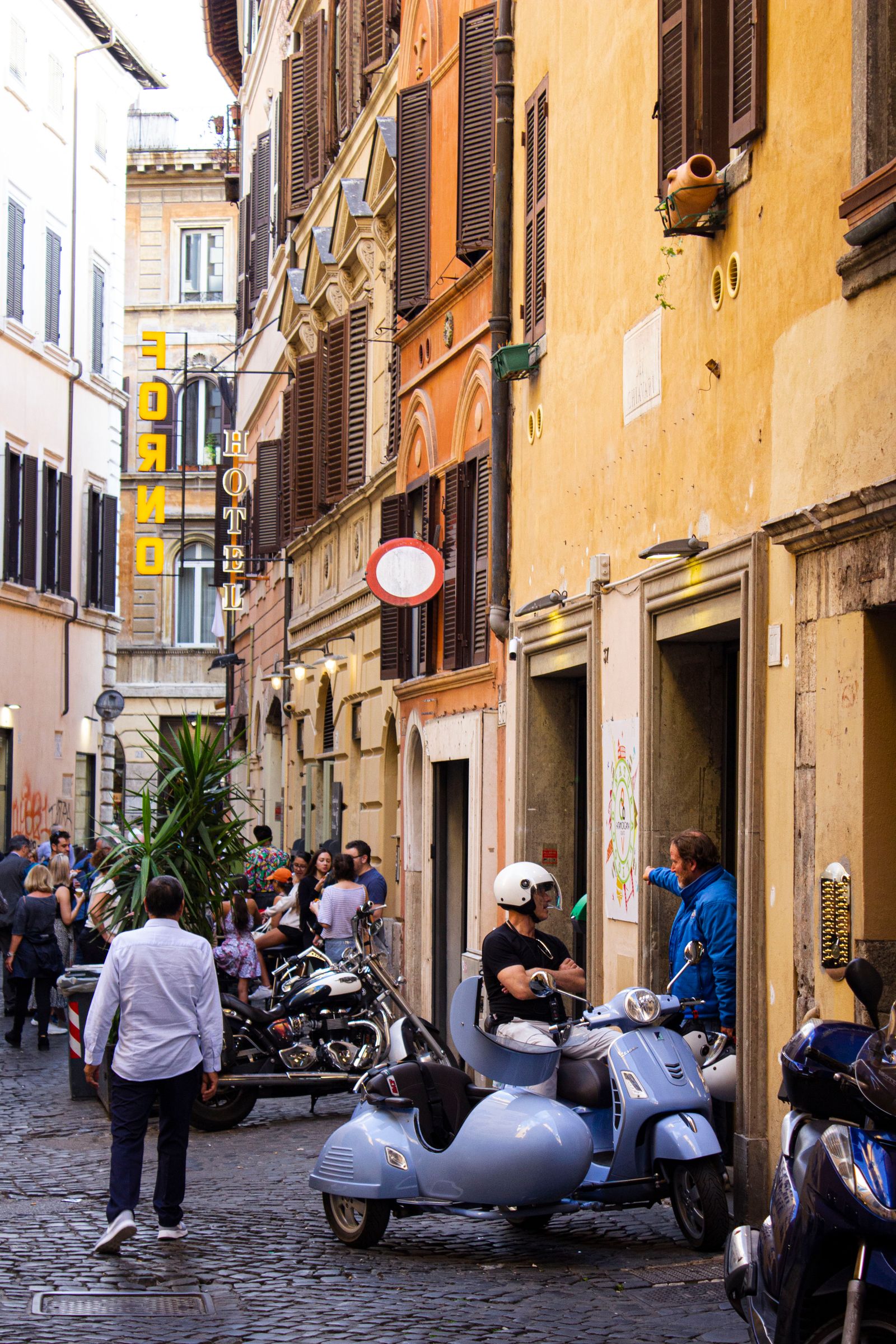
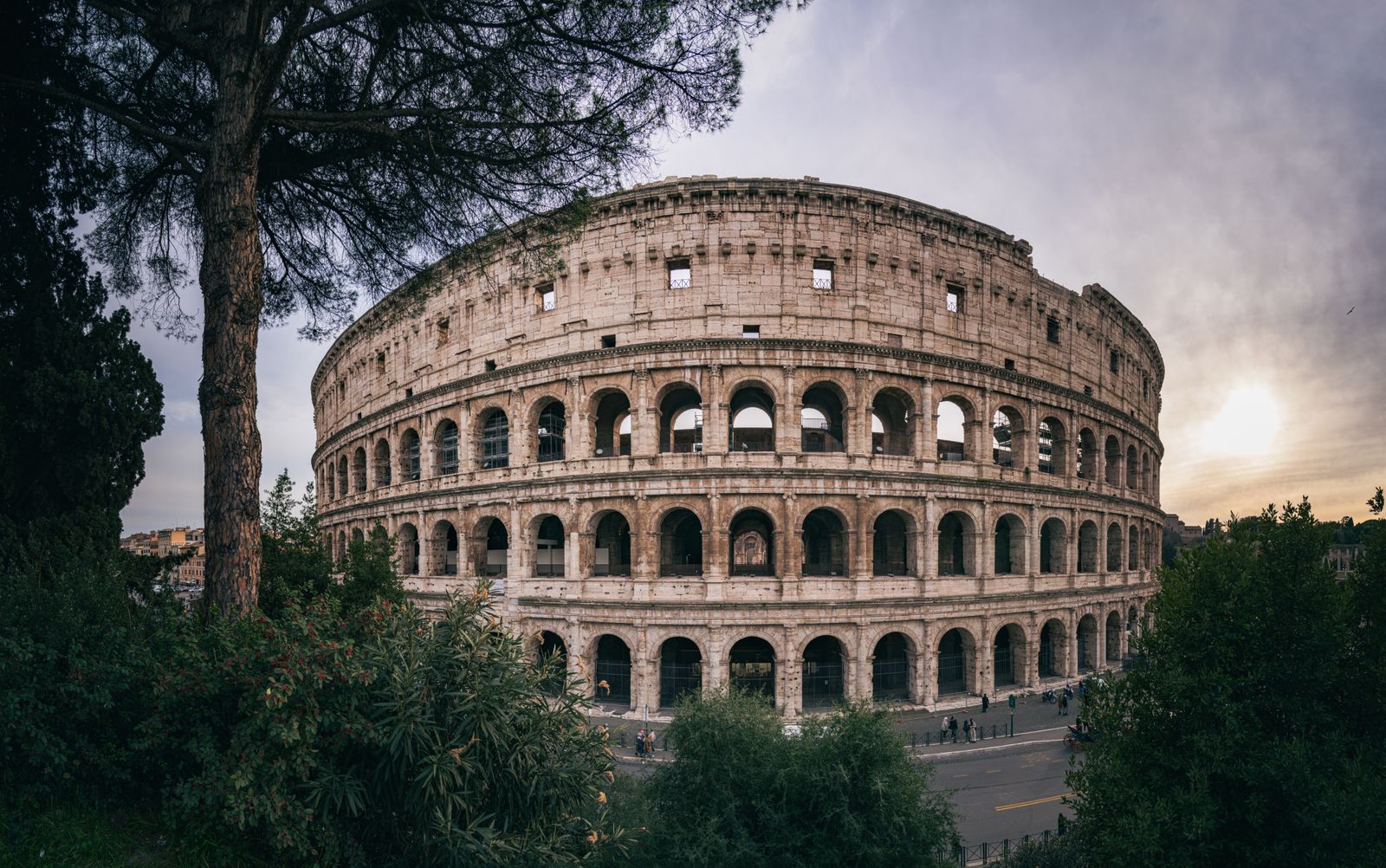
Rome is a walking city that punishes drivers. The historic centre is a maze of cobbled lanes, pedestrian zones and camera-enforced restrictions, and trying to reach the Colosseum by car is a genuinely bad idea. But that doesn’t mean a car is useless in Rome — it’s brilliant for everything outside the city. Here’s how to get around, depending on what you’re actually doing.
The golden rule: car for the day trips, not the centre
If your plan is Rome itself — Vatican, Colosseum, Trastevere, Trevi — skip the car entirely. The centre is covered in ZTL zones (more below), parking is expensive and scarce, and you’ll get everywhere faster on foot or by metro.
A car earns its keep when you want to leave the city: the Castelli Romani hill towns, Tivoli with its villas, the ruins of Ostia Antica, or the lakes at Bracciano and Albano. Out there, public transport is slow and a rental car transforms the trip.
The ZTL trap
The ZTL (Zona a Traffico Limitato) is Rome’s restricted-traffic zone, covering much of the historic centre and enforced by cameras. Only residents and authorised vehicles may enter. The classic tourist mistake: you drive in without realising, a camera reads your plate, and weeks later the rental company forwards you the fine plus an admin fee.
To avoid it:
- Don’t trust the GPS alone — many don’t flag every ZTL.
- If your hotel is inside the ZTL, ask in advance whether they can register your plate (hotels can authorise guests).
- When in doubt, park outside the ZTL and walk or take the metro in.
Getting around the centre without a car
- On foot. The historic centre is smaller than it looks; it’s a 40-minute walk packed with sights from the Vatican to the Colosseum.
- Metro. Three lines (A, B, C). Fast but limited — Rome can’t dig far without hitting ruins — though it links Termini, the Vatican (Ottaviano), the Colosseum and the Spanish Steps.
- Bus and tram. Fill the gaps the metro leaves, slower in traffic.
- One ticket covers metro, bus and tram; validate it as you board.
When a rental car makes sense
Rent a car if your trip includes at least one of these:
- Day trips: Tivoli (Villa d’Este, Villa Adriana), the Castelli Romani towns and wineries, or Lake Bracciano.
- Hard-to-reach spots that buses and trains serve poorly.
- A bigger journey starting or ending in Rome — Tuscany, the Amalfi Coast, Naples. For ideas, see our guide to the best road trips in Europe.
The smart move is to pick the car up on the day you leave the city, not on arrival, so you’re not paying to park it while you tour the centre. You can compare car rental prices in Rome and book with free cancellation in case plans change.
Parking and pickup
- Airports: Fiumicino (FCO) is the big one with every company; Ciampino (CIA) is smaller, handy for low-cost flights.
- Termini station: convenient for picking up a car on the day of a day trip without going back to the airport.
- Parking lines: blue is paid, white is free (increasingly rare in the centre), yellow is residents only.
The bottom line
For seeing Rome: walk and ride the metro. For discovering what’s around Rome: rent a car, pick it up the day you head out, and stay alert to the ZTL. Combine the two and you get the best of the city and the countryside — without the fines and parking headaches.
Ready to book your car?
Compare prices, free cancellation and pay at pickup. No surprises.
View rental prices →