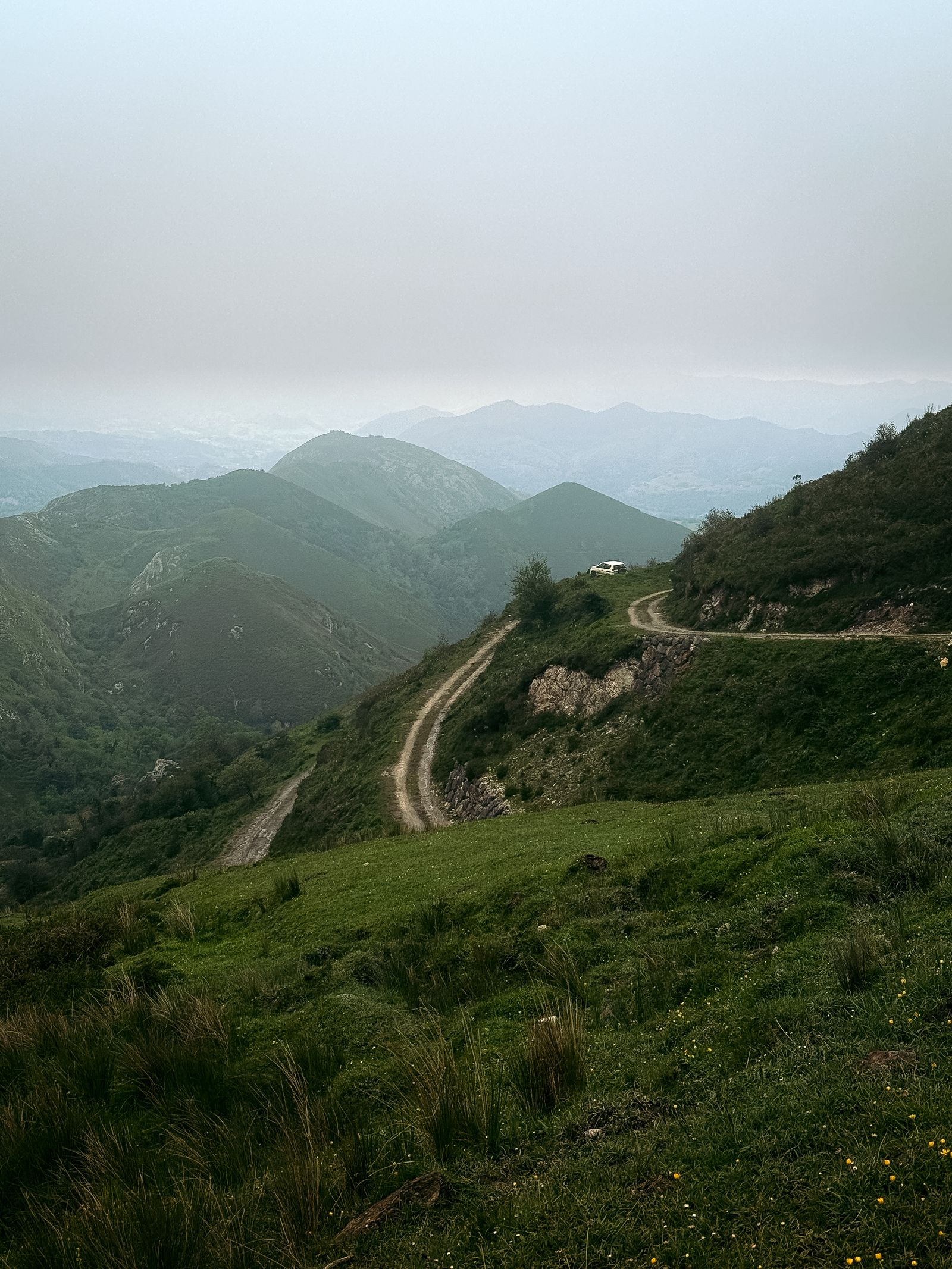
Road Trip in the Pyrenees: 5–7 Day Itinerary and Driving Tips
Road trip through the Pyrenees by car: a 5–7 day itinerary from Roncesvalles to the Val d'Aran via Ordesa, Benasque and Aigüestortes, with mountain driving advice and winter tips.
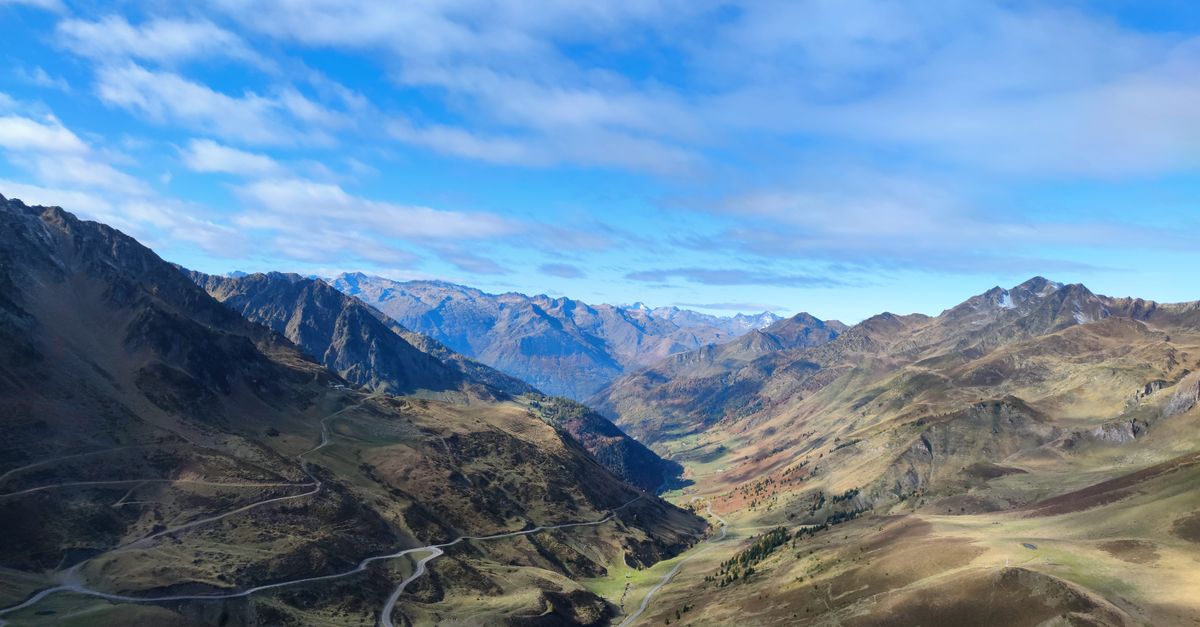
The Pyrenees do not reveal themselves from a coach window. The valleys worth visiting end in dead-end roads that no organised excursion includes, and the train drops you, at best, at the bottom of the next valley over. With a car you can have breakfast in Aínsa, lunch by a glacier lake and sleep in another country — all without depending on a schedule. That freedom is half the trip.
What follows is a realistic 5–7 day itinerary along the Spanish side, with specific stops and the things that genuinely change when you drive between mountain valleys.
Getting there: airports and access
The airports closest to the mountains are Zaragoza and Pamplona for the Aragonese and Navarrese sections, and Barcelona or Lleida-Alguaire for the Catalan side. From France, Toulouse is the gateway to the central Pyrenees. None of them are in the mountains: allow one to two hours of driving from any airport to the first valley.
Pick up the car at the airport — it saves navigating public transport on day one. Booking in advance, rather than at the counter on arrival, consistently gets better rates for the multi-day rentals a route like this requires. If this is your first time renting in the country, our car rental Spain guide covers the age, insurance and paperwork rules the counter staff will actually check.
Compare rental cars for your Pyrenees road trip
A week-long itinerary that works
The Pyrenees trap on maps: everything looks close, but valleys are parallel and barely connect to each other. Getting from one to the next often means descending almost to the plain and climbing again. Calculate 40–50 km/h averages on mountain sections, not 90.
A west-to-east route:
- Day 1 — Roncesvalles and the Navarrese west. A gentle start with Atlantic forest and the Ibañeta pass. Good acclimatisation before the high mountains.
- Days 2–3 — Ordesa valley (Torla-Ordesa). The Parque Nacional de Ordesa y Monte Perdido is the centrepiece. In high season, vehicle access to the Ordesa meadow is restricted — park at Torla and take the shuttle bus up. Starting early makes a significant difference.
- Day 4 — Benasque valley and the Aneto. The road runs to the foot of the highest peak in the Pyrenees, the Aneto (3,404 m). Drive up to Llanos del Hospital for the Maladeta massif directly in front of you.
- Day 5 — Noguera Pallaresa and Aigüestortes. Sort for white-water rafting; from Espot or Boí you enter the Parc Nacional d’Aigüestortes i Estany de Sant Maurici, where jeep taxis take you where private cars cannot go.
- Days 6–7 — Val d’Aran and Andorra. The Aran looks toward the Atlantic and has a different feel entirely. Andorra is the logical final stop for refuelling and shopping before the return.
The route works equally well east to west. Coming from Madrid or Zaragoza, entering via Aragón and exiting through Catalonia avoids unnecessary detours.
Driving in the mountains: what changes
Driving is on the right throughout — Spain, Andorra and France all share this, so crossing borders does not change anything. What changes is the terrain:
High passes: you will cross altitudes above 1,500–2,000 m. In spring there can be snow at altitude even when the valley floor is warm.
Long descents: use engine braking — downshift and let the engine slow you rather than riding the brake pedal. Overheating brake pads on a twenty-minute descent is a real risk, not an exaggeration.
Overtaking: straight sections are rare. Behind a slow motorhome, patience is the answer. A passing place or straight section will come.
Fuel: filling stations are scarce in high valleys and close early. Refuel when you drop below half a tank, not when the warning light appears.
For the route, a small or medium car moves better than a large SUV: roads are narrow and parking in villages like Aínsa or Bielsa — where streets are medieval — is much easier with something compact.
Winter: chains, tyres and closed passes
From November to April, the plan changes. Snow is not scenery — it decides what you can and cannot do.
Winter equipment: when snow is present, the Guardia Civil can require chains or winter tyres on specific sections. Carry them and, crucially, practice fitting chains on a dry surface before you go — not in the dark with the car sideways on a verge.
Closed passes: some high mountain routes close in winter or during storms. The Bonaigua pass, access road to the Val d’Aran, is the standard example — when it closes, you enter the Aran through the Vielha tunnel.
Check conditions on the day: mountain weather changes in hours. Look up road conditions that morning, not the night before.
If renting in winter, confirm with the company that the car includes winter equipment or that the contract allows you to fit chains. It is not always standard.
Villages worth stopping in
The route is as good for what lies between the main stages as for the national parks themselves:
Aínsa — a walled medieval village on a hilltop with one of the finest arcaded squares in the Pyrenees. Natural stopping point between Ordesa and Benasque.
Bielsa — the valley head towards France via the Bielsa-Aragnouet tunnel. Base for the Pineta valley, with the north face of Monte Perdido directly ahead.
Torla — the gateway to Ordesa. Good accommodation options if you are spending two days in the park.
Arán villages (Vielha, Salardú, Bossòst) — the Val d’Aran has its own language (Aranese) and a distinctly different atmosphere from the Spanish side.
Crossing to France and Andorra
With a car, the border stops being an obstacle. Andorra is a standard fuel stop — prices are notably cheaper than in Spain or France — and good for shopping. Two things to know: Andorra is not in the EU for customs purposes, so there are limits on what you can bring back; and if the car is rented, notify the company before crossing any border, as some suppliers restrict this or charge a supplement.
Common planning mistakes
Too many valleys, too few days. Three valleys properly explored are worth more than seven at a sprint. For a long weekend, choose Ordesa-Benasque or Aigüestortes-Arán — do not try to do it all.
Underestimating the national parks. Ordesa and Aigüestortes each need a full day as a minimum, including a walk. They are not roadside viewpoints.
Not booking accommodation in summer. Torla, Benasque and the Val d’Aran fill up. In July and August, book with serious lead time.
Forgetting that rafting has a season. The Noguera Pallaresa at Sort runs strongest in spring and early summer from snowmelt. By late August the flow drops considerably.
In short
A Pyrenees road trip works because it cannot be done any other way. A car lets you park at the valley head, walk into the park and move to the next stage when you choose — not when a bus timetable decides. Five days and a compact car give you the Pyrenees at your own pace. That is the only way to see them properly.
Ready to book your car?
Compare prices, free cancellation and pay at pickup. No surprises.
View rental prices →