Road Trip in Tuscany: Florence to Siena, Val d'Orcia and the ZTL Trap
Road trip in Tuscany by rental car: the classic Florence to Siena itinerary, San Gimignano, Val d'Orcia hilltop towns and how to avoid ZTL fines in every historic centre.
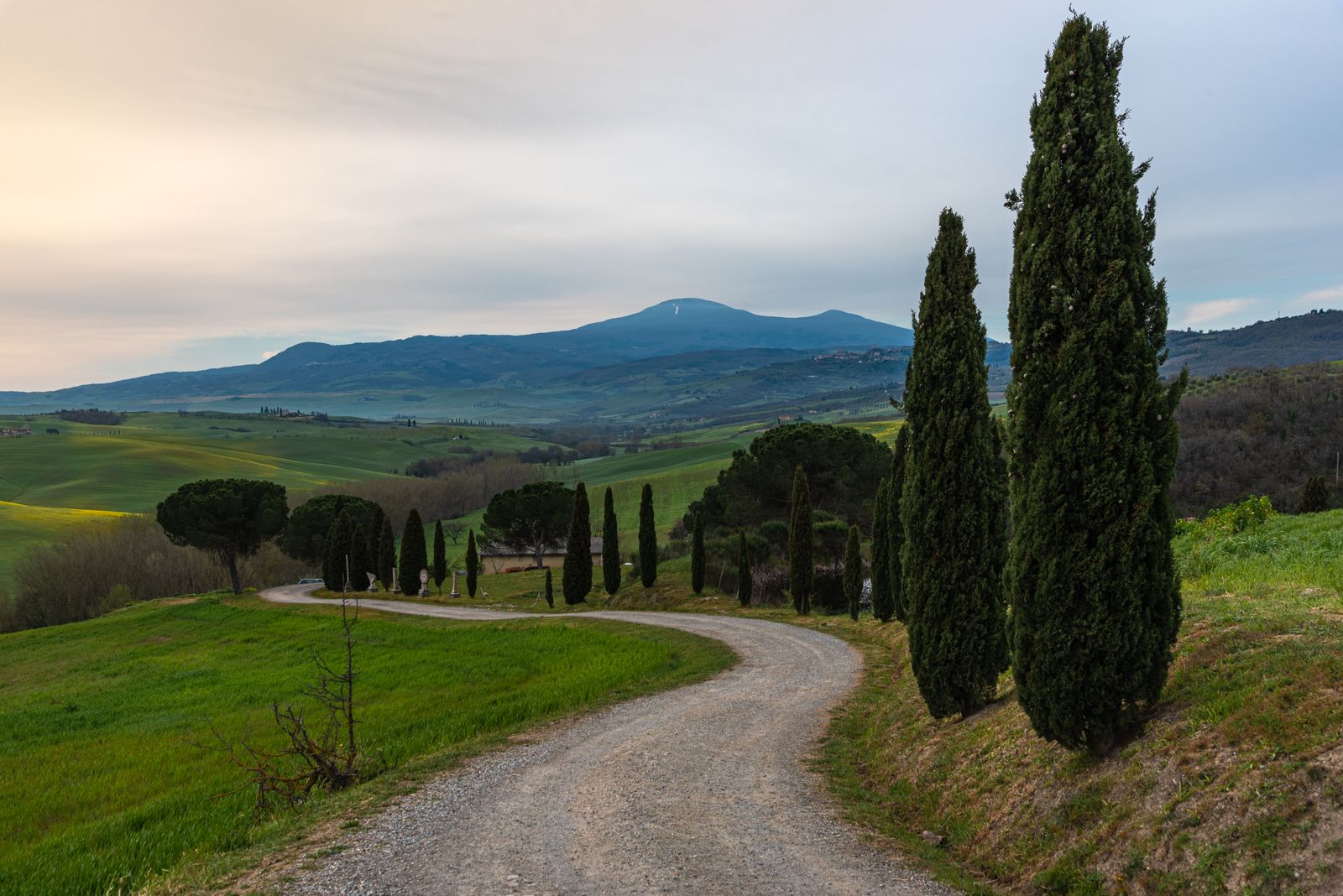
Tuscany is built for this kind of travel. The cypress-lined roads, the hilltop medieval towns, the vineyards of Chianti and the sculpted landscape of the Val d’Orcia exist exactly where the train does not reach. A rental car is the difference between looking at photographs of Tuscany and being inside them.
There is one rule to understand before you start: every historic centre in Tuscany has a ZTL. Enter with the wrong vehicle at the wrong time and the fine arrives home weeks later.
The ZTL rule — read this before driving anywhere
ZTL (Zona a Traffico Limitato) are restricted traffic zones in the historic centres of Italian towns. Almost every town on the Tuscany tourist route has one: Florence, Siena, San Gimignano, Lucca, Pisa, Arezzo, Volterra and dozens of smaller hill towns.
Cameras monitor every entry point and photograph number plates. Non-authorised vehicles — which includes all ordinary rental cars — receive a fine. This is not a camera that might catch you; it is a system that always does. The fine is sent to the rental company, which passes it on to you with an administration surcharge, often weeks after you have returned home.
How to stay clear:
- Park outside the historic walls or old centre. Almost every town has car parks just outside the ZTL boundary, often signed as “parcheggio” with a green P.
- Do not follow GPS blindly — navigation apps frequently route through ZTL zones to save two minutes.
- If your hotel is inside a ZTL, send your number plate and travel dates before arrival. Hotels inside the zone can often register guests for access. Ask when booking.
- When in doubt about a street, do not enter it.
For more detail on ZTL zones across Italy, see driving in Italy.
The itinerary: Florence to Siena and Val d’Orcia
Day 1: Florence
Collect the car at the airport and drive out of the city rather than into it. Florence’s ZTL covers much of the historic centre and the streets are congested regardless. Spend day 1 on foot in Florence — Uffizi, Duomo, Ponte Vecchio, Oltrarno. Collect the car the morning you plan to leave.
Day 2: San Gimignano and Volterra
San Gimignano is the most visited hill town in Tuscany, known for its medieval towers visible from miles away. Park outside the walls and walk in. Arrive by 9 am if possible — tour buses fill the main piazza from late morning.
Volterra, about 30 km west, is quieter, Etruscan-walled and worth the detour. The drive between the two is excellent Tuscan countryside.
Day 3: Siena
Siena’s Piazza del Campo — shaped like a shell, the site of the Palio horse race — is one of the great medieval squares in Europe. Park well outside the walls (Siena’s ZTL is large) and walk in through the gates. The historic centre is compact on foot.
Day 4: Val d’Orcia
This is the heart of the Tuscan landscape everyone recognises. Three towns within short driving distance of each other:
- Montalcino — hilltop town producing Brunello di Montalcino, considered one of Italy’s greatest red wines
- Pienza — Renaissance model town, also known for Pecorino cheese. The view from the walls over the valley is extraordinary.
- Montepulciano — another wine town, higher up, with a dramatic approach road
The roads between these towns are what make the Val d’Orcia. A car is not just convenient here — it is the only way to arrive on your own schedule and stop whenever the landscape requires it.
With more days
7 days: add the Chianti wine route (SR222 from Florence to Siena via Greve and Castellina), Lucca and its walkable wall circuit, and more time on the back roads of the Val d’Orcia.
10+ days: include the coast (Maremma, Argentario), Arezzo, Cortona and the upper Arno valley.
Practical notes
Tolls: Italian motorways charge approximately 10 euros per 100 km. Florence to Siena via the A1 and raccordo is relatively short. More detail at toll roads in Italy.
Strade bianche: some Val d’Orcia roads are unpaved gravel (strade bianche). A normal compact car handles them — just drive slowly. They do not require an SUV, but they are not smooth tarmac.
Fuel: refuel at filling stations on the outskirts of towns, not at motorway service areas, which are significantly more expensive.
Start early: San Gimignano and Siena are very busy from mid-morning. An early arrival makes both enormously more enjoyable.
Compare rental car rates for Florence and Tuscany
In short
The Tuscany road trip from Florence to Siena and the Val d’Orcia is one of the best drives in Europe. The single rule that determines whether it costs you extra money: never enter a ZTL. Park outside every historic centre and walk in. With that sorted, four days and a small car give you the Tuscany of the postcards — at your own pace, on your own schedule.
Ready to book your car?
Compare prices, free cancellation and pay at pickup. No surprises.
View rental prices →