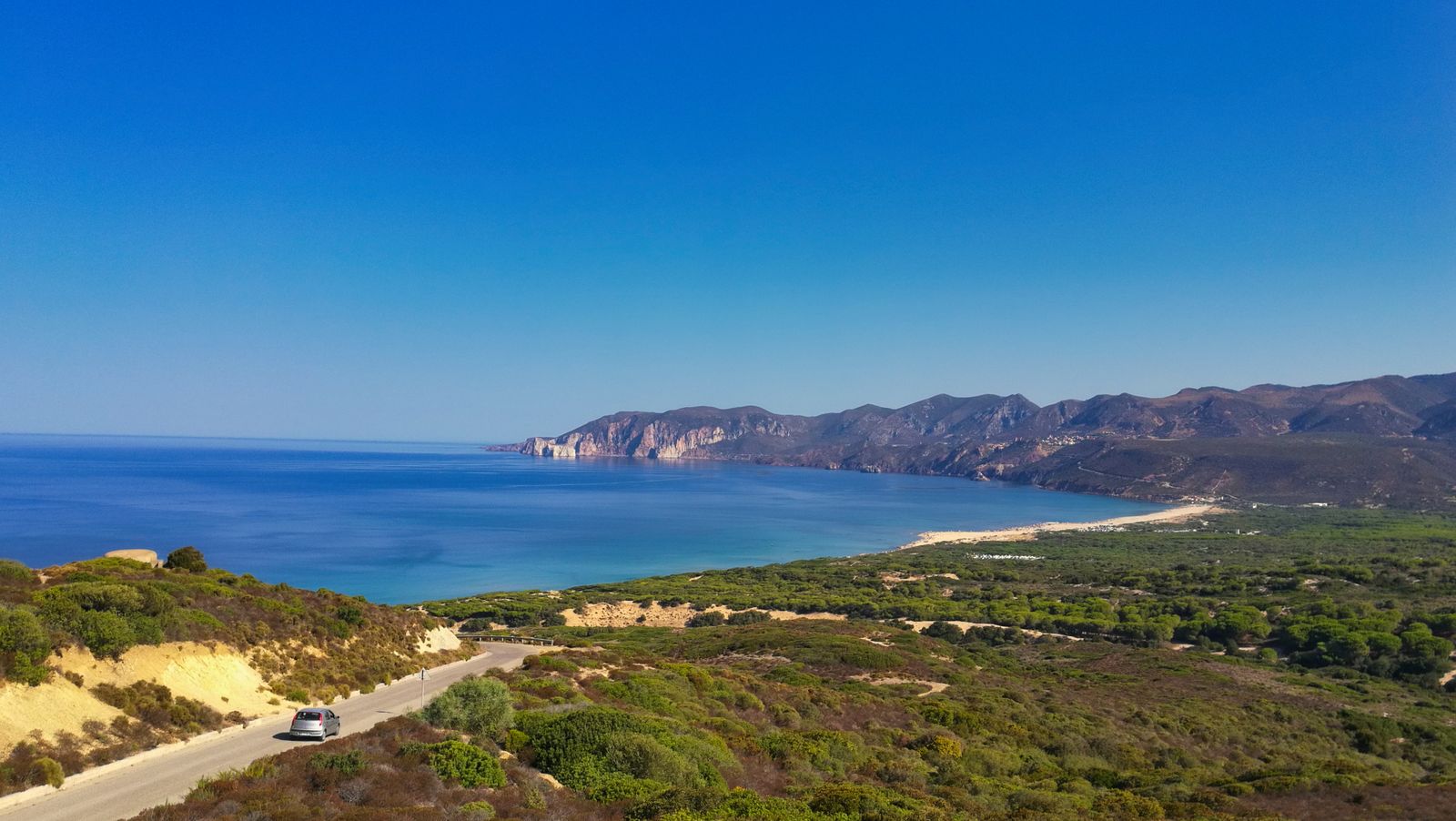
How to Get Around Sardinia: Why You Need a Rental Car
Getting around Sardinia without a car is possible but limiting. Here is what the buses and trains actually cover, and where only a rental car will do.
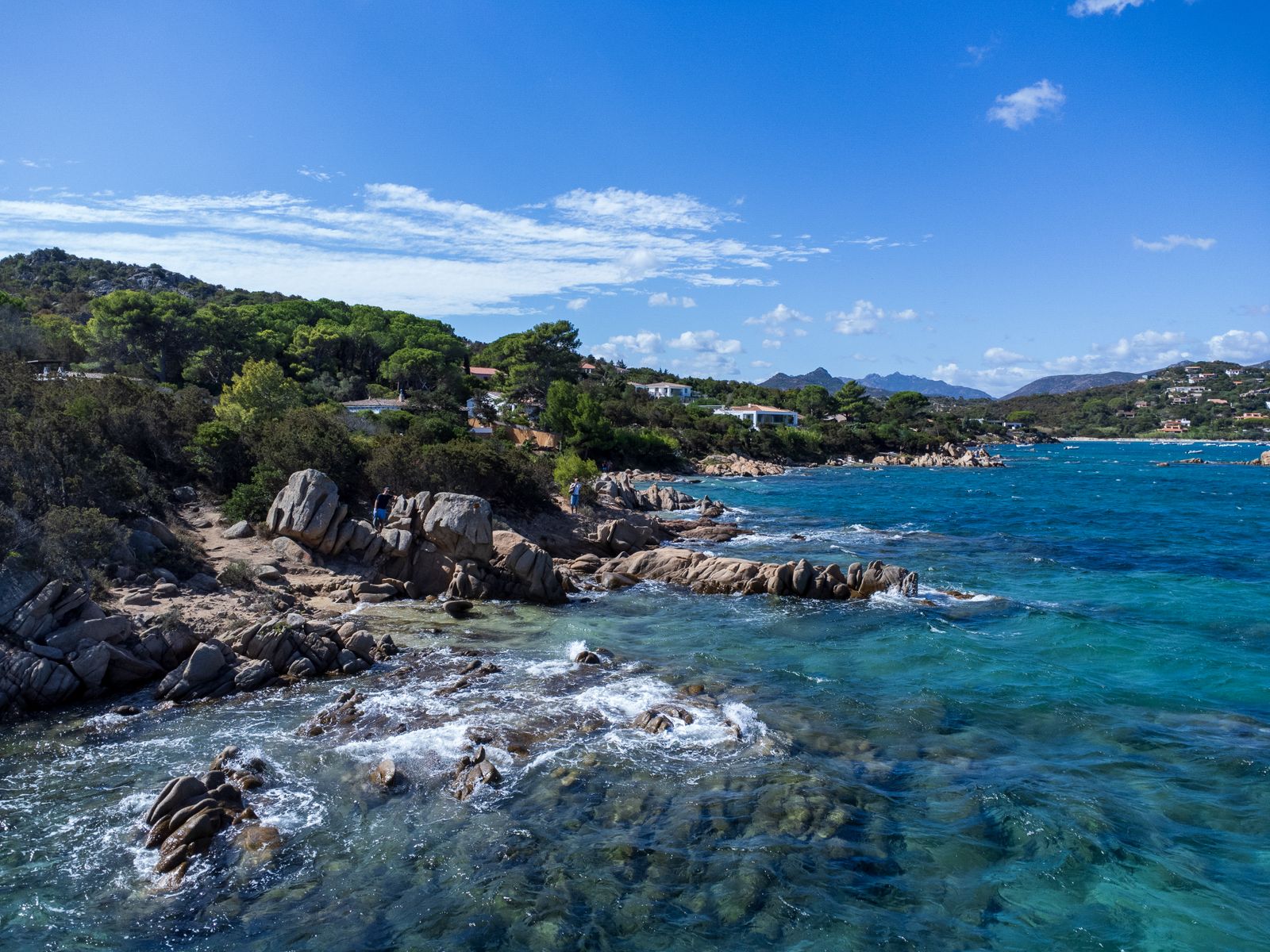
Sardinia is an island that rewards exploration. The problem is that the infrastructure was not built for tourists who want to jump between coves, cross mountain passes and reach villages that barely appear on a map. Public transport covers the basics. For everything else, you need a car.
This is not a complaint about the island — it is a practical observation. Sardinia has some of the least crowded beaches in the Mediterranean, a dramatic interior and a quiet off-season that other islands cannot match. A car is what makes these things accessible.
What public transport actually covers
The ARST bus network connects the main cities: Cagliari, Sassari, Nuoro, Oristano and Olbia. It also reaches some coastal towns and the airport. For getting between population centres, it functions. For beach trips, it largely does not.
Regional trains run on two lines that matter for tourists: Cagliari to Sassari (around 3.5 hours, infrequent) and the scenic Trenino Verde narrow-gauge routes through the interior. The Trenino Verde is genuinely beautiful and worth taking as an experience. It is not useful as a mode of transport for covering ground.
The honest picture: if you stay in Cagliari or Alghero and do not plan to move much, you can manage without a car. For anything else, public transport will limit the trip significantly.
Compare rental cars in Sardinia →
Where only a car works
The south coast beaches — Villasimius, Costa Rei, Chia, Tuerredda — are not served by regular bus routes outside of limited summer services. Reaching Villasimius from Cagliari without a car means depending on a seasonal shuttle that does not cover the surrounding beaches. With a car, you can cover the entire Costa del Sud in a day.
Gennargentu and the Barbagia interior are almost entirely road-only territory. The mountain villages of Orgosolo, Oliena, Mamoiada and the surrounding area have either no bus service or services timed for residents commuting to larger towns. The scenery is some of the most distinctive in the Mediterranean, and virtually no one without a car reaches it.
The Sinis Peninsula and Oristano area — including the flamingo lagoons and the ruins of Tharros — are possible by car as a day trip from the west coast. By public transport, the connections are irregular enough to make a day trip impractical.
Costa Smeralda and the northeast has reasonable transport between the main towns (Olbia, Palau, Santa Teresa Gallura) but the famous beaches — Capriccioli, Romazzino, La Celvia — require a car to reach the trailheads or parking areas.
Getting to Sardinia
By ferry with a car: Routes from Civitavecchia (closest to Rome, 6–8 hours), Genova (overnight, 10–12 hours) and Livorno (8–10 hours) carry vehicles. Main operators are Tirrenia, GNV and Moby. In summer, book the car deck weeks in advance. Check whether your rental company authorises the crossing before you book — some mainland agencies do not.
By plane and rent on arrival: Sardinia has three airports — Cagliari in the south, Alghero in the northwest and Olbia in the northeast. All have rental desks. This is the easiest option logistically, and local Sardinian agencies often have no island-crossing restrictions because they operate entirely on-island.
The arrival airport should match your itinerary. Cagliari suits a south-focused trip; Olbia suits the Costa Smeralda and northeast; Alghero suits the northwest and Alghero itself.
Cagliari: the one exception
Cagliari’s historic centre — Castello, Marina, Villanova, Stampace — is compact and walkable. The Poetto beach is reachable by local bus from the centre. For a Cagliari-only city break, you do not need a car.
The moment you plan a beach day outside Cagliari or a drive to the interior, that changes.
Practical notes
Sardinia has no motorway tolls. The main SS131 runs the length of the island from Cagliari to Porto Torres and is free. Fuel stations are plentiful along the SS131 and in coastal towns but sparse in the interior — fill up before heading into the Gennargentu mountains.
Parking at popular beaches costs around €5–€10 per day in summer. In Cagliari and Alghero, historic centres have paid parking zones. Plan for this if you are staying overnight in either city.
Roads in the interior are mostly single-lane with passing places, particularly in the Barbagia. They are driveable in a standard car, but allow more time than the distance suggests.
Ready to book your car?
Compare prices, free cancellation and pay at pickup. No surprises.
View rental prices →