How to Get Around Lisbon: Tram, Metro and When to Rent a Car
Getting around Lisbon: tram 28, metro, funiculars and rideshare for the city — plus when a rental car makes sense for Sintra, Cascais, Arrábida and the Alentejo.
Lisbon is a city of steep hills, narrow cobbled lanes and yellow trams. Within the city you rarely need a car — public transport is good, parking is expensive and the historic centre rewards walking. The moment you want to reach Sintra, Cascais or the Arrábida, the car changes everything. Here is how to move around both.
Getting around Lisbon city
Tram 28 — iconic but slow
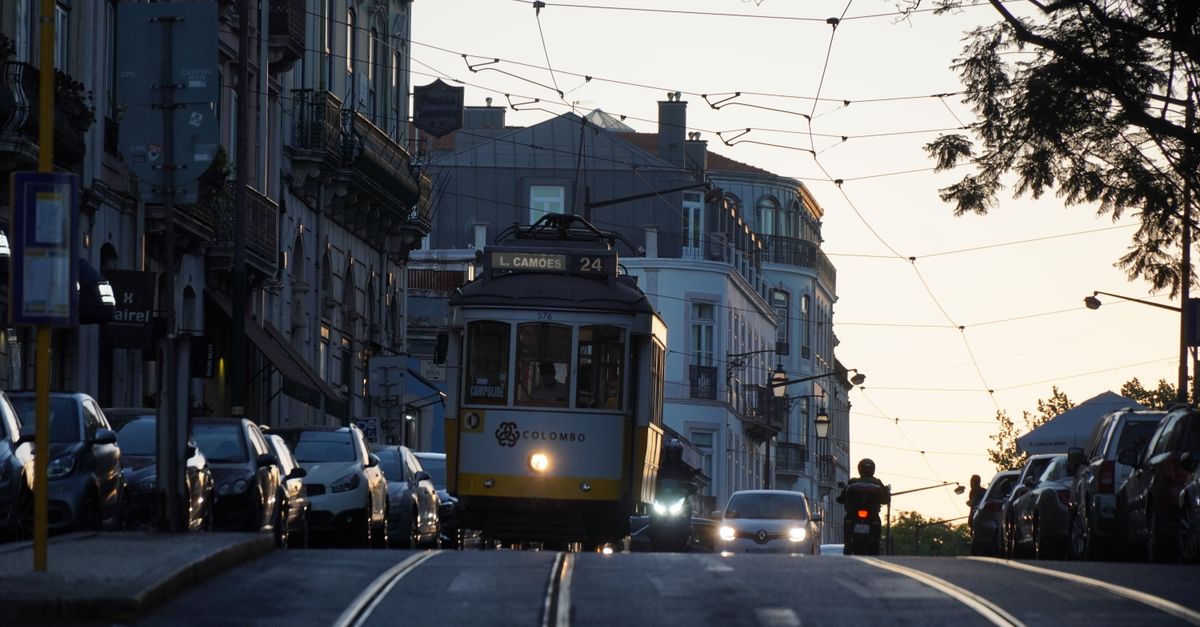
Tram 28 is one of the most photographed things in Lisbon. It climbs from Campo de Ourique through the Chiado, past the Cathedral and up through the Alfama to Martim Moniz. If you are visiting those neighbourhoods it is a useful ride, but queues at the main stops are long in summer. Catch it at a less central stop or go early to avoid the worst of the crowds.
For Belém (the Tower, the Jerónimos Monastery, the pastéis de nata), tram 15E is the better option — a modern low-floor tram from Praça da Figueira that takes around 20 minutes.
Metro
Four lines cover the airport, the main train stations, the historic centre and the Parque das Nações area. Clean, reliable and significantly faster than the trams for longer distances across the city.
Funiculars and Santa Justa Lift
Three funiculars (Glória, Bica, Lavra) and the Elevador de Santa Justa deal with Lisbon’s steepest gradients. They are not fast but they save the legs on the climbs between the lower city and the hilltop neighbourhoods.
Walking
Most tourist areas in central Lisbon are walkable. Good shoes matter — the cobblestones are uneven and the hills are real. The main neighbourhoods (Baixa, Chiado, Bairro Alto, Alfama, Mouraria) are all within reasonable walking distance of each other.
Rideshare
Uber and Bolt both operate in Lisbon and are inexpensive. A cross-city trip rarely costs more than €10. For late nights or when the trams are packed, this is the most practical option.
Transport tickets
A single tram or bus ticket costs around €3.10. A day pass for all Carris (bus and tram) services costs around €6.40 and pays off quickly if you plan several journeys. The metro uses a separate Viva Viagem card, topped up at any station machine.
When a rental car makes sense
Keeping a car in Lisbon for the duration of a city stay is mostly a problem — parking in the centre is expensive, limited and time-consuming. The better approach is to spend the first days exploring the city on foot and by public transport, then collect a car for one or two days of day trips.
Pick up the car the morning you plan to leave the city, not the night before. You avoid paying for parking the car overnight with no benefit.
Compare rental car rates in Lisbon
Collect from the airport (Humberto Delgado) for the widest choice of suppliers and direct access to the ring roads. If your hotel has parking, a city-centre agency works too.
Day trips worth the rental
Sintra
Sintra is the most popular day trip from Lisbon — around 30 km northwest. The Pena Palace on its hilltop, the Monserrate Palace and the Quinta da Regaleira with its initiation well are all within a few kilometres of each other.
The drawback: the road up to the palaces is narrow and busy in summer, and parking near the top is extremely limited. Three things that save the day:
- Leave early — before 9:30 am in June to September
- Park near the historic centre or the train station at the bottom of the hill, then take bus 434 up
- Book Pena Palace tickets in advance; on-the-spot queues are long
The real advantage of a car at Sintra is the ability to continue to the coast in the same day — something public transport makes very difficult.
Cascais, Cabo da Roca and Guincho
From Sintra, drive west to Cabo da Roca — the westernmost point of continental Europe. Cliffs dropping to the Atlantic, a lighthouse and a view that justifies the detour. Entry is free.
Continue south to Cascais, a former fishing village turned prosperous coastal town with a marina and good seafood. On the road between the two, Guincho beach is a wide Atlantic surf and kitesurf spot open to the wind.
For the return to Lisbon, skip the A5 motorway and take the N6 (Estrada Marginal), the coastal road that follows the shore all the way back. Slower and far more pleasant.
Arrábida — across the bridge
Cross the 25 de Abril Bridge heading south (the toll is charged on the return, not the outbound crossing) and head southeast towards the Serra da Arrábida.
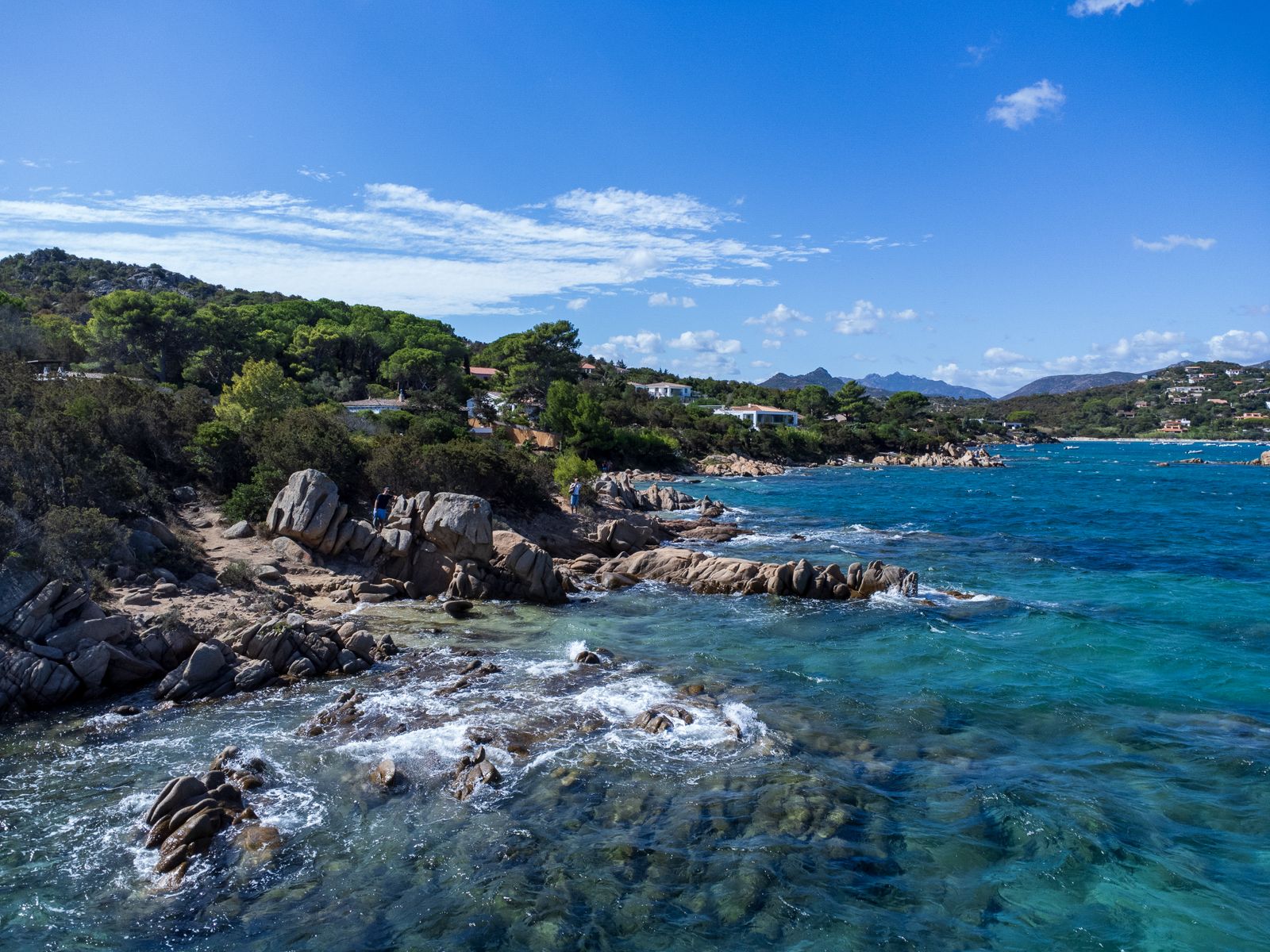
- Praia da Figueirinha and Portinho da Arrábida — turquoise water under a wooded hillside, with a distinctly Mediterranean feel 45 minutes from central Lisbon
- Setúbal — for grilled fish on the waterfront and, if you are lucky, dolphins in the Sado estuary
- The Arrábida panoramic road (N379-1) runs along the ridge above the coves with frequent stopping points — drive carefully, the road is narrow
This is exactly the type of destination that a car unlocks. Without one, very few visitors get there.
Alentejo
For a longer trip, the Alentejo requires a car. Évora (the Roman temple, the bone chapel, the medieval walls), the whitewashed villages, the cork oak plains and the wine estates south of Estremoz are all but inaccessible without one.
Electronic tolls: the one thing to check before driving
Portugal has motorways with no toll booths — cameras read the number plate and the charge is applied electronically via the Via Verde system. If the rental car does not have an active transponder, driving on those roads without a payment arrangement in place will result in a fine plus a supplier administration charge.
At pickup, ask:
- Does this car have a Via Verde transponder, and is it active?
- How are tolls charged — per trip or per day — and what is the service fee?
For more detail on how Portugal’s toll system works, see toll roads in Portugal.
In short
For Lisbon city: metro for distances, tram 28 for the experience, walking for the centre, Uber or Bolt when the hills win. For Sintra, Cascais, the Arrábida or the Alentejo: collect a rental car the day you leave and return it before you come back to the city. Check that the Via Verde transponder is active before you reach the first motorway.
Ready to book your car?
Compare prices, free cancellation and pay at pickup. No surprises.
View rental prices →