Car Rental in Lisbon: Best Pickup Points and Day Trip Routes
Renting a car in Lisbon? Here's what to know: where to pick up, how Via Verde tolls work, why you don't need a car in the city itself, and the best day trips by road.
Lisbon doesn’t need a car. The metro, trams and the Cascais and Sintra train lines cover the tourist circuit efficiently and cheaply. But the moment you want to go beyond — to Setúbal and the Arrábida coast, down to Comporta, across the Vasco da Gama bridge to the Alentejo — a rental car makes the difference. This guide covers where to pick up and what to watch out for.
Do you need a rental car in Lisbon?
For the city: no. Lisbon’s metro has four lines covering the main areas. Tram 28 connects Alfama to Estrela (slowly). The Cascais line runs frequently from Cais do Sodré. Sintra is 40 minutes from Rossio station. For a city stay, public transport is enough.
A rental car makes sense if:
- You’re taking day trips to Arrábida, Comporta, Évora or the Alentejo
- You’re picking up the car in Lisbon and driving to the Algarve or Porto
- You’re staying outside the centre without good metro access
- You have more than 4–5 days and want to cover the wider region
Where to pick up your rental car in Lisbon
Humberto Delgado Airport (LIS) is the standard pickup point for most visitors. All major companies have desks in the arrivals area. The airport is 7 km from the city centre — a taxi or metro ride if you’re arriving before you need the car.
If you want to avoid the airport concession fee (10–15% of the rental total), some companies have city offices near the city centre or Marquês de Pombal area. This saves money on rentals of 5+ days but requires getting there by taxi or metro first.
Via Verde tolls: how they work in a rental car
Portugal’s motorway toll system is electronic-heavy. The A22 (Algarve motorway) and some other roads have no cash toll booths at all — payment is by transponder or plate recognition only.
When you rent a car in Lisbon, ask at pickup whether the car has a Via Verde transponder fitted. Most major companies include one. If it does:
- Tolls are charged to the transponder and billed to your rental account
- You pay the actual toll amounts plus a daily service fee (typically €1–3/day when active)
- Keep the transponder in the windscreen mount — removing it blocks the signal and generates missed-toll fines
If the car has no transponder, you can still drive most roads — EASYToll on some routes photographs your plate and bills the registered owner later. Ask the rental company how they handle this.
The A5 motorway west to Cascais and Sintra is free. The Vasco da Gama bridge toll is around €2.80 eastbound.
Average car rental prices in Lisbon (2026)
Lisbon is a competitive rental market. Prices are moderate by Western European standards.
| Category | Low season | High season |
|---|---|---|
| Economy | €18–28/day | €35–55/day |
| Compact | €24–36/day | €42–65/day |
| Midsize SUV | €45–65/day | €75–110/day |
Compare rental prices in Lisbon →
Driving in Lisbon: what to avoid
Alfama and Bairro Alto. These historic hillside neighbourhoods have streets that are barely wide enough for a single car. Cobblestones, steep gradients and no parking. Avoid driving here at all — park on the edges and walk.
Paid parking zones. The centre of Lisbon has extensive paid street parking (EMEL zones, blue and green bays). Fines for overstaying or parking in the wrong zone are common and the rental company will pass them on with an admin fee.
Rush hour on the A2/A1. If you’re leaving for the Algarve or Porto on a Friday afternoon, expect the A2 and A1 motorways to back up significantly from 5pm onwards. Leave before 3pm or after 8pm.
Best day trips from Lisbon by car
Sintra (30 km, 40 min via A37/IC19)
Sintra is reachable by train, but a car lets you visit the palaces and then drop down to the Cabo da Roca (westernmost point of continental Europe) and Cascais without backtracking. No toll on the IC19. Parking at Sintra palaces is paid and fills early.
Arrábida Natural Park (50 km south, 1h via A2 + N10)
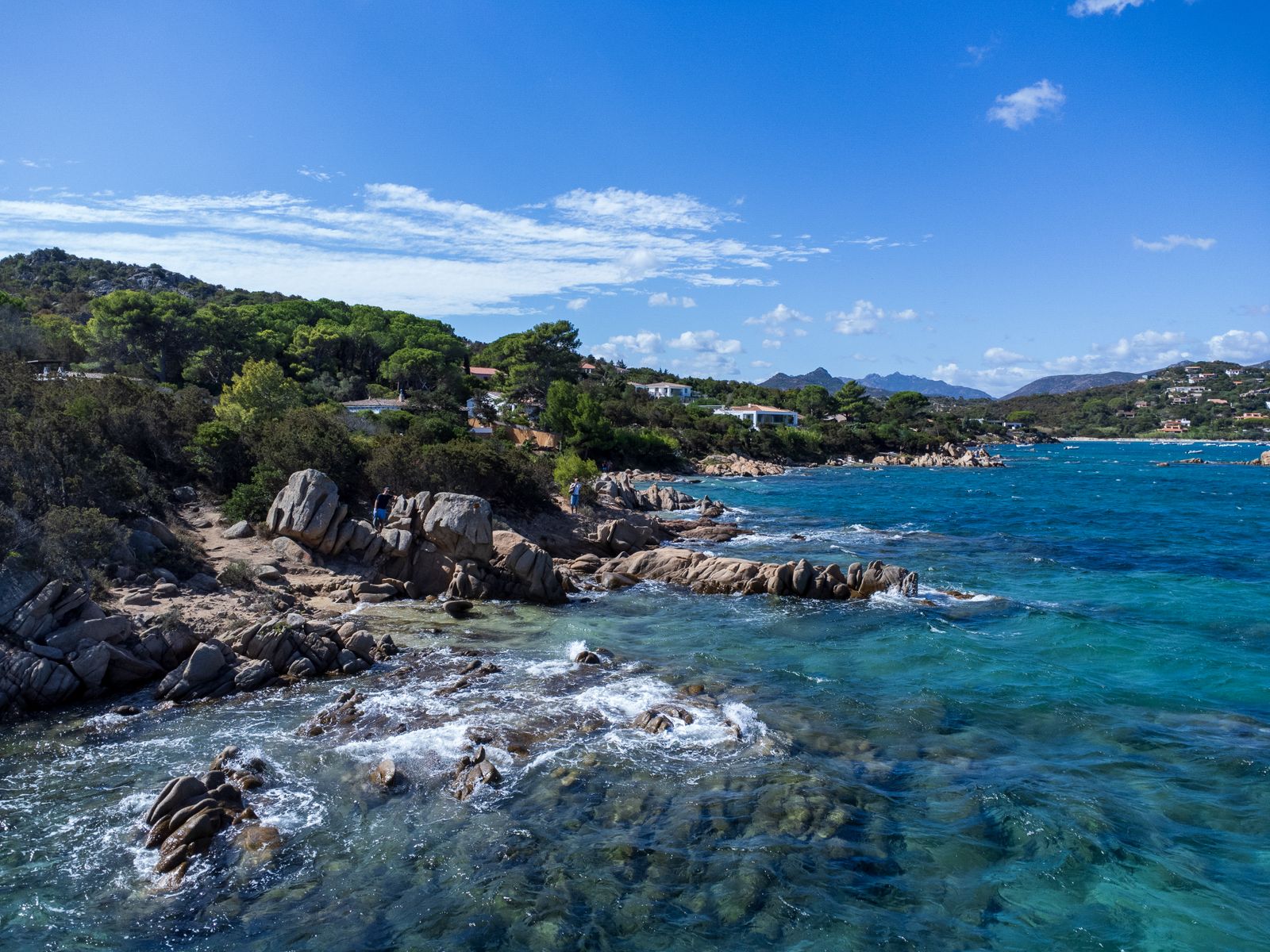
The most spectacular coastline near Lisbon. Clear turquoise water, limestone cliffs, near-empty coves in low season. Access road into the park is narrow — no large vehicles. No direct public transport to the beaches. A car is essential.
Setúbal (50 km south, 45 min via A2)
Base for Arrábida, good fish restaurants, ferry to Tróia peninsula. A2 motorway toll: around €1.50. Easy half-day.
Évora (130 km east, 1h30 via A6)
Capital of the Alentejo, Roman temple, cathedral, medieval walls. No direct train connection that’s practical. Car is the right choice. A6 toll: around €5.
Comporta (120 km south, 1h30)
Undeveloped Atlantic beach destination with rice fields, pine forests and one of Portugal’s most beautiful beaches. No public transport worth considering. Car essential.
Practical tips
Vasco da Gama bridge. If you’re heading east (Évora, Alentejo), the Vasco da Gama bridge (A12) is tolled. The older 25 de Abril bridge into Almada is free but often congested. Budget accordingly.
IDP requirement. Not required for EU or US drivers. Required for some other nationalities — check before you travel.
Fuel. Portugal fuel prices are mid-range for Europe. Fill up before heading to Arrábida — stations are sparse in the park.
Insurance. Standard CDW with excess (€800–1,500) is typical. Confirm your credit card cover before upgrading at the counter.
Lisbon is walkable and metro-friendly. The coast south and the Alentejo east make the rental worthwhile.
View car rental prices in Lisbon →
Ready to book your car?
Compare prices, free cancellation and pay at pickup. No surprises.
View rental prices →