The Best Road Trips in Galicia (by Rental Car)
Road trips in Galicia: the Rías Baixas coast, Cape Finisterre, A Coruña and the Ribeiro wine region — routes, distances, driving tips and what to expect from Spain's wettest corner.
Galicia is the part of Spain that does not look like Spain. Green hills, deeply cut rías (inlets), granite villages, Celtic bagpipes, and a coastal culture built on fishing and wine rather than sun tourism. It is also one of the least explored regions by foreign visitors, which makes driving here more rewarding — fewer queues, cheaper petrol, roads that are yours.
Santiago de Compostela is the natural hub. From here, three distinct directions offer three very different experiences: south along the Rías Baixas coast, west to the end of the world at Finisterre, and north to A Coruña and the Rías Altas.
Getting there and picking up the car
Santiago de Compostela airport (SCQ) has year-round flights from several European cities and all major Spanish airports. The main rental suppliers are at the terminal. It is also possible to pick up in Vigo or A Coruña if your route starts there.
The AG-57 motorway from Santiago down to the Rías Baixas coast is free and covers the most-visited section of Galicia quickly. For other routes, national roads are the norm — slower but perfectly usable.
Compare rental car rates in Santiago de Compostela
Route 1: Rías Baixas coast
Santiago → Pontevedra → Cambados → O Grove → Sanxenxo
This is the most popular circuit and the right one for a first visit to Galicia. The Rías Baixas — the four great southern inlets — are where the best albariño wine is made, where the seafood is freshest and where the Atlantic coast gets its most sheltered, swimmable water.
Pontevedra has one of the best-preserved historic centres in Galicia. Park at the edge and walk: the old city is car-free and compact, built around stone squares and arcaded streets. It rewards an afternoon.
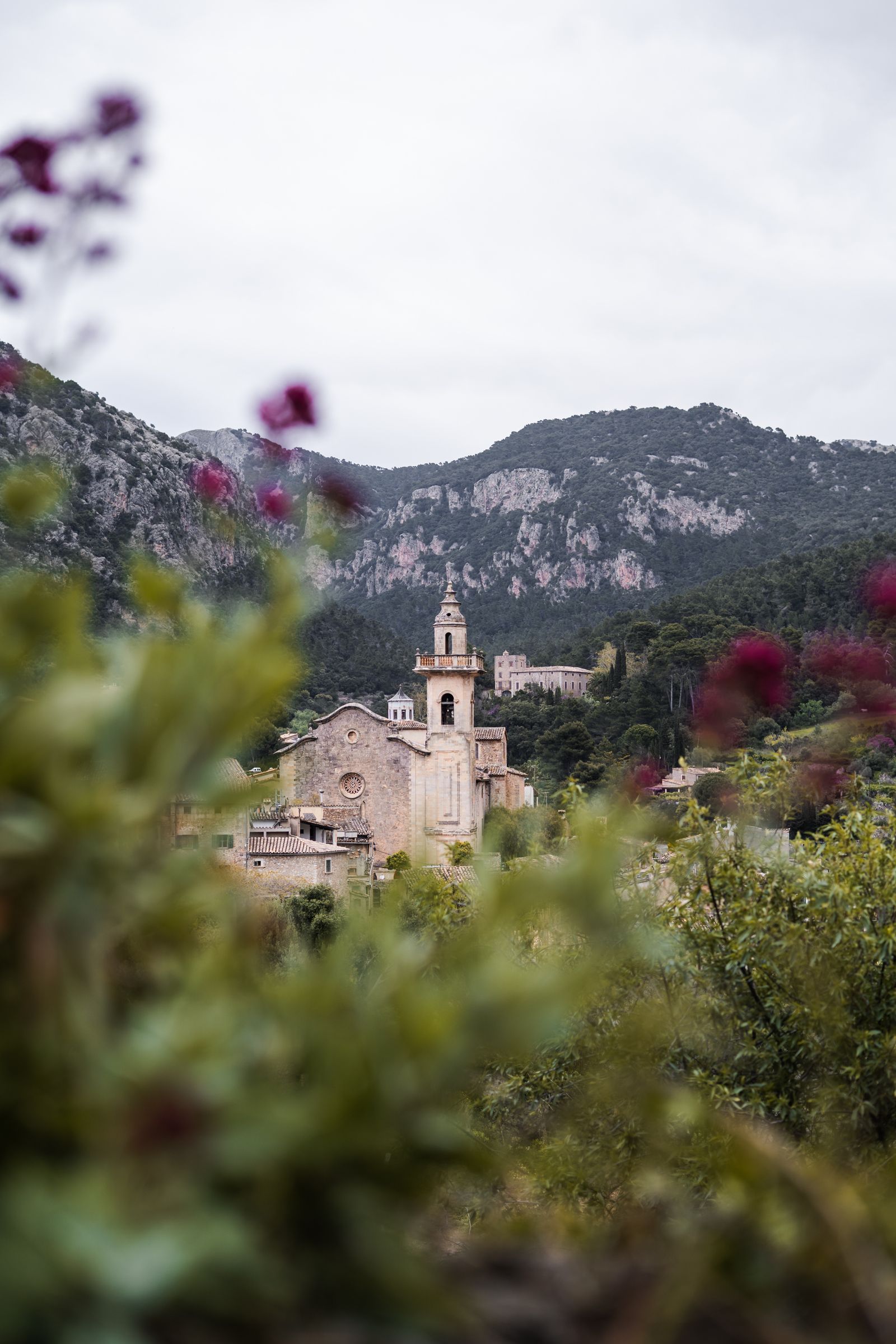
Cambados is the capital of the albariño wine country. The Parador (a state-run hotel in a historic building) on the main square is worth a coffee stop even if you are not staying. The wine co-operatives and small bodegas around the town do tastings — book ahead in summer.
O Grove and La Lanzada beach to the south are the coast at its most elemental — long Atlantic sand, dunes and the smell of salt. O Grove has the best shellfish restaurants in the area; queuing is normal.
Sanxenxo is the liveliest beach town in Galicia in summer and the most crowded. Parking becomes a genuine challenge in August. Either arrive before 10 am or skip it for quieter beaches nearby.
Route 2: To the end of the world — Cape Finisterre
Santiago → Noia → Muros → Carnota → Finisterre
The Romans called this coast Finis Terrae — the end of the earth. The road follows the coast of the Ría de Muros e Noia and then the open Atlantic south to Cape Finisterre, the westernmost point of the Iberian Peninsula.
Carnota has the longest hórreo (raised stone grain store) in Galicia — a curiosity worth two minutes. Praia de Carnota itself is seven kilometres of almost empty beach, backed by dunes.
The drive along the final peninsula to Cabo Finisterre is one of those routes that feels like an ending: the road narrows, the sea appears on both sides and the lighthouse at the cape is the last thing before the Atlantic. The Camino de Santiago officially ends here (pilgrims burn their boots at the cape) — you will see the yellow arrows of the pilgrimage route on almost every road in this part of Galicia.
Allow a full day for this circuit from Santiago and back.
Route 3: A Coruña and the Rías Altas
Santiago → A Coruña → Betanzos → Pontedeume → Costa da Morte
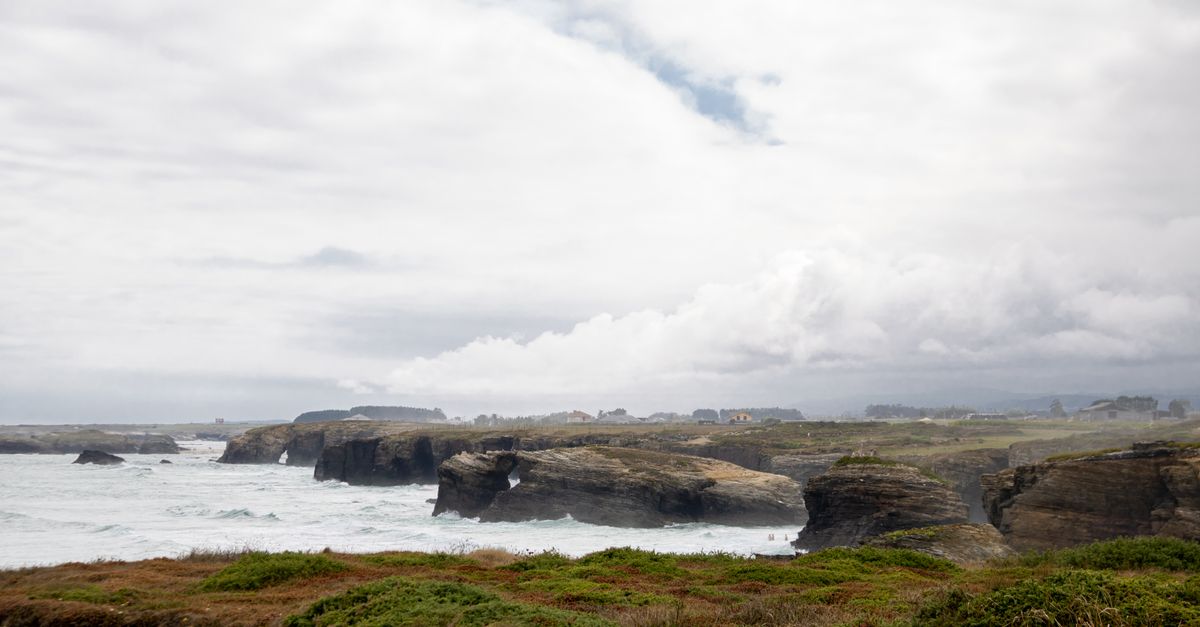
The north coast — Rías Altas — is less visited than the Rías Baixas and rougher in character. The cliffs are higher, the sea is colder and the villages have a working quality that the more tourist-developed south sometimes lacks.
A Coruña has a famous glass-fronted seafront gallery (the Galerías), an old town built on a peninsula, the Tower of Hercules (a Roman lighthouse still in use) and a lively bar and restaurant culture around the Cidade Vieja. It is a good overnight base for the northern circuit.
The Costa da Morte (Coast of Death) — named for its shipwrecks, not its character — is a dramatic stretch of coast west of A Coruña with small fishing villages, Atlantic-facing beaches and the sense of being at the edge of something large. Muxía, Camariñas and Malpica are the towns worth stopping in.
The Ribeiro wine region: inland detour
Ourense → Ribadavia → Ribeiro vineyards
Most visitors to Galicia stay on the coast. The interior is undervisited, which makes the Ribeiro wine country around Ourense and Ribadavia one of the best-value detours on any Galician trip.
Ribadavia is a medieval town with a well-preserved Jewish quarter and a main square that comes alive during its wine festival in summer. The local wine — Ribeiro white — is lighter than albariño and drunk young from small ceramic cups.
The Ourense area also has natural thermal baths (termas) in the Miño river. A handful of free outdoor pools right on the riverbank, naturally hot year-round.
Driving in Galicia: practical notes
Rain is normal. Galicia receives more rainfall than almost anywhere else in Spain. The roads are well-maintained but can be slippery when wet, particularly on secondary coastal roads with tight bends. Drive accordingly.
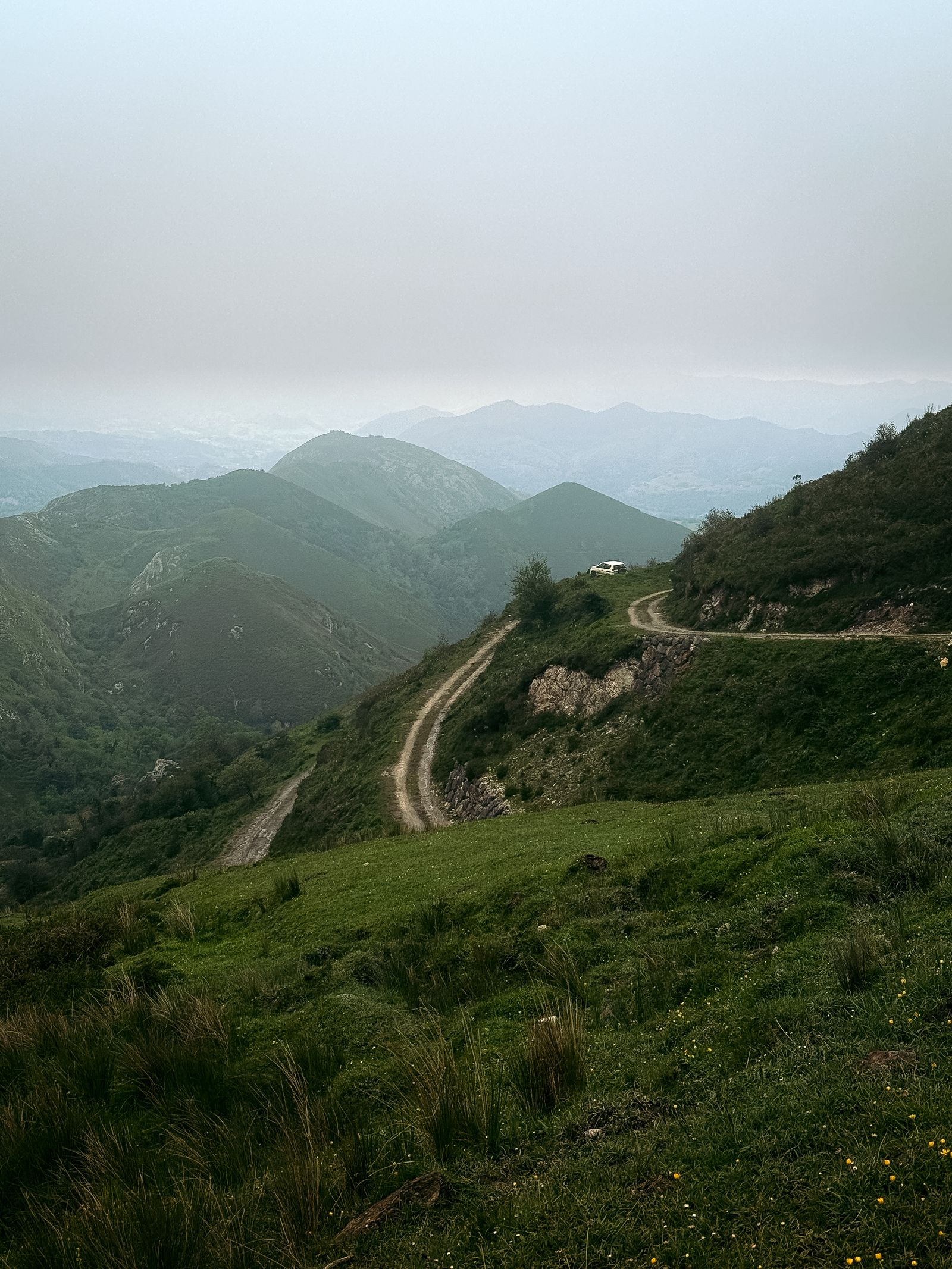
Winding roads are the norm. The coastal roads between rías follow the contours of the land — they twist, they narrow and they slow down significantly compared to motorway speed. This is fine: the views are what you are there for. A small car is more comfortable than a large one on these roads.
The Camino de Santiago follows roads throughout the region. You will see pilgrims walking the shoulder of roads that lack footpaths, particularly on the Portuguese and Coastal Camino routes. Allow space and do not startle them — they have been walking for weeks.
Parking in Santiago historic centre is difficult and the centre has pedestrian priority zones. Use the underground car parks at the edge of the old city and walk in.
When to go
May to June and September to October are the best windows — fewer crowds than summer, still enough dry weather for coastal roads, green landscapes at their best.
July and August bring the most visitors to Santiago (the Feast of Saint James on 25 July draws enormous crowds) and the most reliable weather for the coast. The Rías Baixas beaches are at their busiest.
November to March means rain, shorter days and some coastal roads that are genuinely spectacular in Atlantic storms — but restaurants close early and tourist infrastructure is minimal outside the main towns.
Ready to book your car?
Compare prices, free cancellation and pay at pickup. No surprises.
View rental prices →