Car Rental in Antalya and Dalaman: Airports, Deposits and Local Tips
Renting a car on Turkey's Turquoise Coast? Here's what to know about Antalya vs Dalaman airports, HGS tolls, debit card rules, lira pricing traps, and how far you can realistically drive.
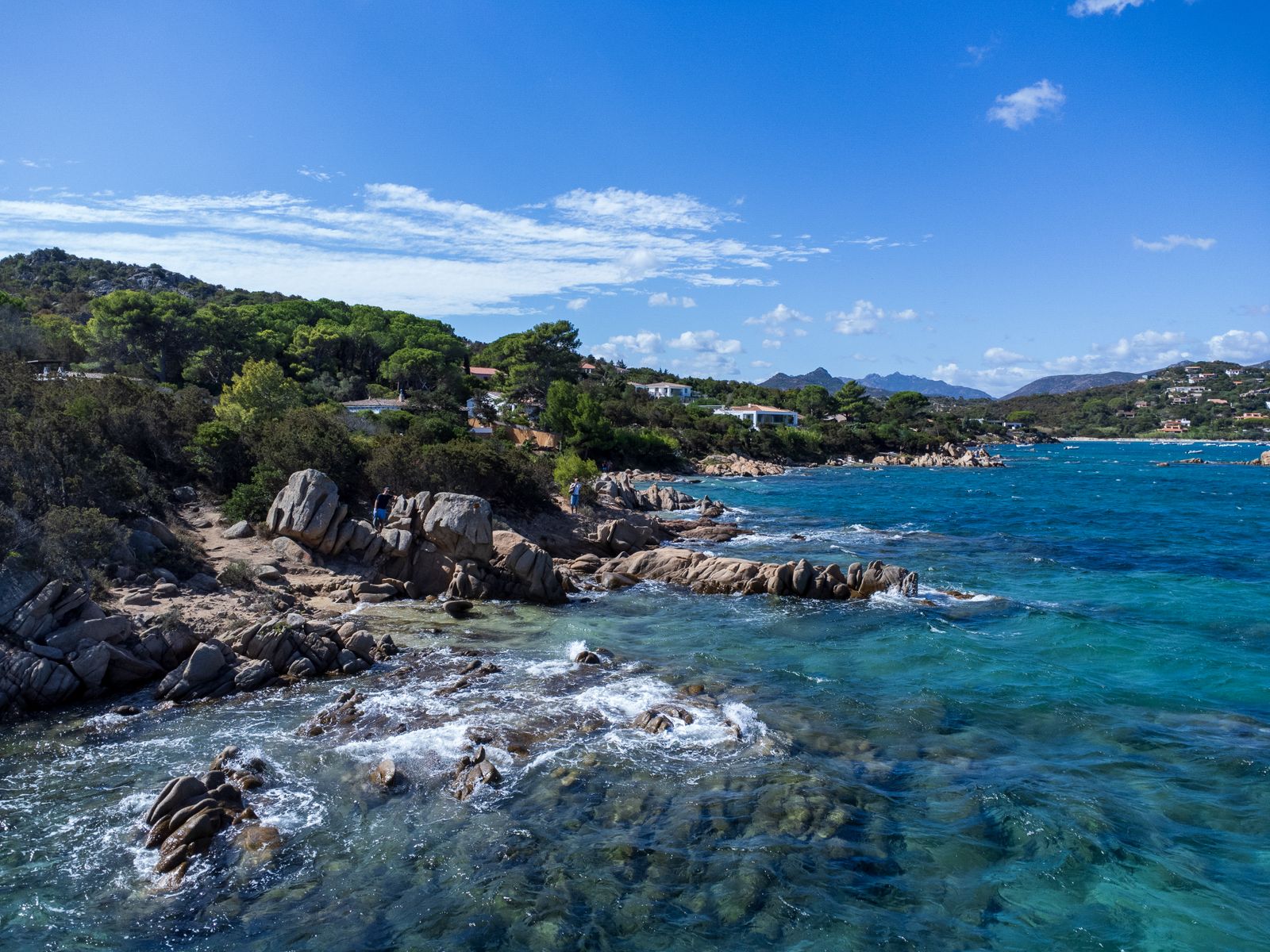
The Turkish Turquoise Coast — from Marmaris in the west to Alanya in the east — is best explored by car. The D400 coastal highway connects the main resorts and runs through some of the most scenic coastal terrain in the Mediterranean. Two airports serve the region: Antalya (AYT) in the east and Dalaman (DLM) in the west. Choosing the right one, and knowing what to expect at the rental counter, makes the difference between a smooth trip and an expensive surprise.
Antalya (AYT) vs Dalaman (DLM): which airport?
The two airports serve different parts of the coast. The distance between them is about 300 km by road — roughly 3.5 hours.
Antalya Airport (AYT) is Turkey’s busiest tourist airport. It serves Antalya city, Side, Alanya, Belek and the eastern Turquoise Coast. If your resort or itinerary is east of Fethiye, fly into Antalya.
Dalaman Airport (DLM) serves Fethiye, Ölüdeniz, Göcek, Marmaris and the western coast. If you’re based in the Fethiye area or heading west, Dalaman is the better choice.
Both airports have major international rental companies and a large number of local Turkish agencies. Prices and fleet quality vary significantly — more on that below.
HGS electronic tolls: what they are and why they matter
Turkey uses an electronic toll system called HGS (Hızlı Geçiş Sistemi) on its motorways and major bridges. There are no cash lanes on most of these roads — the system reads a transponder sticker fitted to the windscreen.
This is critical: your rental car must have an HGS sticker fitted and loaded with credit. If it doesn’t, the car is photographed every time it passes a toll point and fines are issued to the registered owner (the rental company), who then charges them to your card — often with a significant administration fee on top.
At pickup, confirm that the HGS sticker is present (usually bottom-left of the windscreen) and that it has sufficient credit for your trip. Ask the agent to show you. If the sticker is missing or has zero balance, do not leave the lot until it’s resolved.
The main roads you’ll use that have HGS tolls: O-51 (Antalya bypass), motorway sections near Antalya city, some sections of the D400 approach roads. The D400 coastal highway itself is largely toll-free.
Debit cards: often refused
Most major rental companies in Turkey — including international brands — require a credit card for the deposit. Debit cards (including Revolut and Wise) are frequently refused at Turkish rental counters, even if the same company accepts them elsewhere in Europe.
The deposit amount varies: typically €300–800 for an Economy car, higher for larger categories. This is a pre-authorisation (blocked on your card, not charged), released within 5–21 days after return.
If you don’t have a credit card, some local Turkish agencies accept debit cards with a higher cash deposit. Confirm before booking.
Lira pricing: the trap to watch for
Online booking prices in Turkey are often shown in euros or dollars. Counter prices at Turkish agencies may be shown in Turkish lira. The lira has experienced significant depreciation in recent years — a price locked in euros at booking is almost always better than paying in lira at the counter, even if the counter price looks lower at a glance.
Book in euros or dollars online and pay at the confirmed booking price. Avoid “pay at counter” rates that convert to lira on the day.
Average car rental prices on the Turquoise Coast (2026)
Local Turkish agencies are significantly cheaper than international brands in this market. Quality and insurance terms vary — read the contract carefully.
| Category | Low season | High season |
|---|---|---|
| Economy | €15–25/day | €28–48/day |
| Compact | €20–32/day | €36–58/day |
| Midsize SUV | €38–58/day | €65–95/day |
Compare rental prices in Antalya →
The D400: Turkey’s Turquoise Coast highway
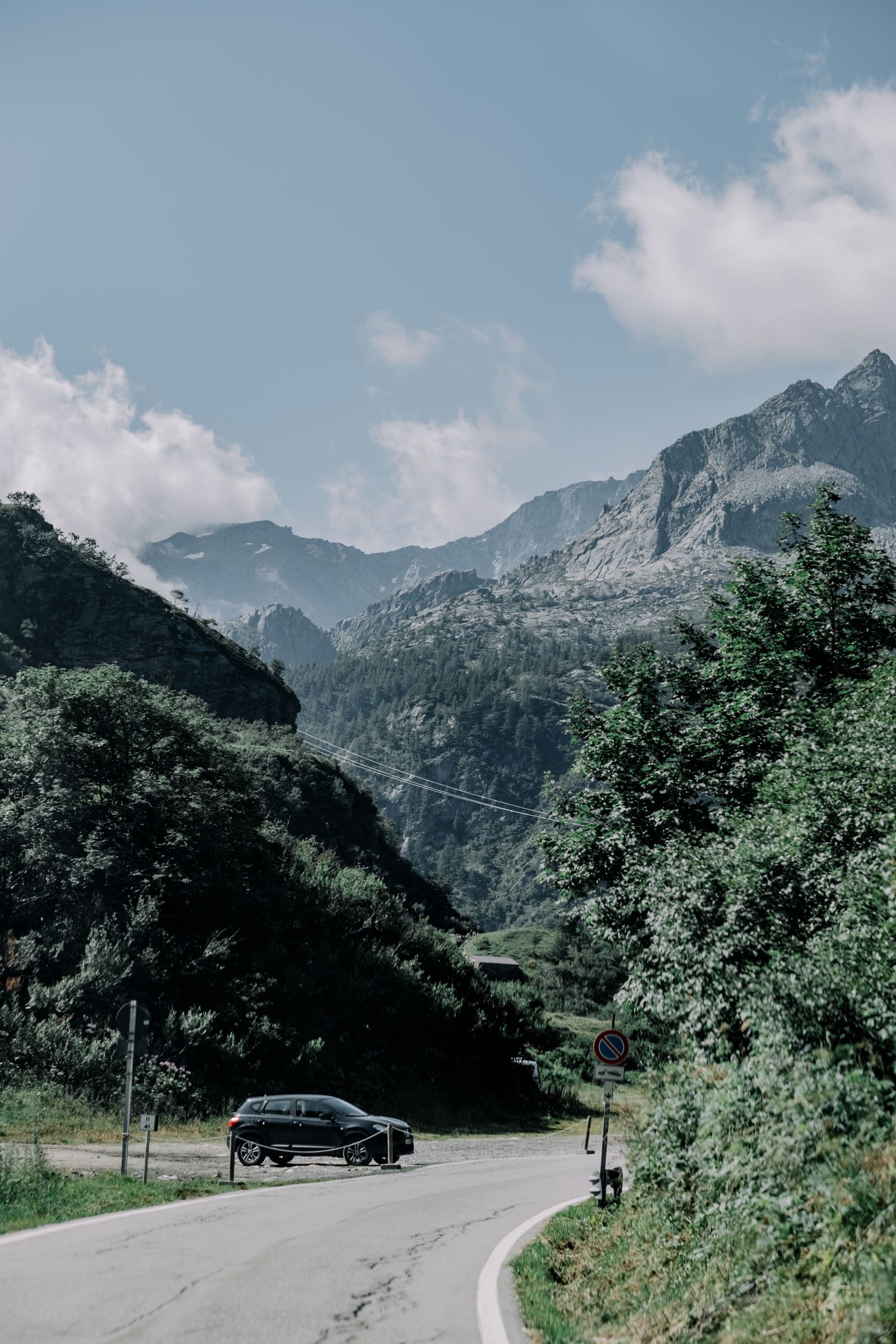
The D400 is the main coastal road running the full length of the Turkish Riviera. It connects Antalya to Fethiye (3.5h), passes through Kaş, Kalkan, Demre and Göcek. Much of it runs along the clifftops above the Mediterranean with spectacular views.
Driving standards: Turkish driving can be aggressive on two-lane sections. Overtaking on blind curves happens. Stay left, keep your distance and don’t feel pressured to drive faster than you’re comfortable with.
Day trips and distances: what’s realistic
From Antalya (AYT):
- Pamukkale (cotton castle terraces): 3.5h via D650. Feasible day trip but long.
- Perge and Aspendos (ancient sites): 45 min–1h. Easy half-day.
- Side: 1h east along D400. Easy.
- Cappadocia: 7+ hours by road. Not realistic as a day trip — fly instead.
From Dalaman (DLM):
- Fethiye and Ölüdeniz: 45 min. Easy.
- Butterfly Valley (Faralya): 1h, then a walk down. Day trip.
- Göcek: 30 min. Easy.
- Ephesus (Selçuk): 3h north. Long but doable.
Practical tips
IDP requirement. Non-EU drivers need an International Driving Permit in Turkey. EU licence holders are technically valid but an IDP avoids any discussion at police checkpoints, which are common on the D400.
Insurance. Turkish CDW works similarly to European CDW. Confirm the excess and whether it covers damage on mountain tracks — some popular viewpoints involve unpaved sections.
Fuel. Turkish fuel is more expensive than European average. Fill up in larger towns — rural stations on the D400 are present but less frequent.
Minimum age. Most companies require 21. Some require 23 or 25 for larger categories.
The Turquoise Coast is one of the best driving destinations in the Mediterranean. Book smart, check the HGS sticker, and the D400 will not disappoint.
View car rental prices in Antalya →
Ready to book your car?
Compare prices, free cancellation and pay at pickup. No surprises.
View rental prices →