How to Get Around Lanzarote: Car, Bus and the Best Routes
Getting around Lanzarote: when to rent a car, when the bus works, where to base yourself and which routes are worth doing.
Lanzarote looks small on a map, and it is — but it does not feel the same with freedom to stop anywhere as it does checking bus timetables. The island has straightforward roads, short distances and many scattered points of interest: beaches, volcanoes, viewpoints, white villages and coves where public transport arrives infrequently or not at all.
If your trip is resort, nearby beach and an organised excursion or two, you can manage without a car. If you want to see the island properly, renting one makes a significant difference.
The quick answer
For a first visit, the most practical approach is to have a car for at least 3–4 days. The bus handles the main connections between large towns, but it does not let you improvise a day that takes in Timanfaya, La Geria, Haría, Famara and the north.
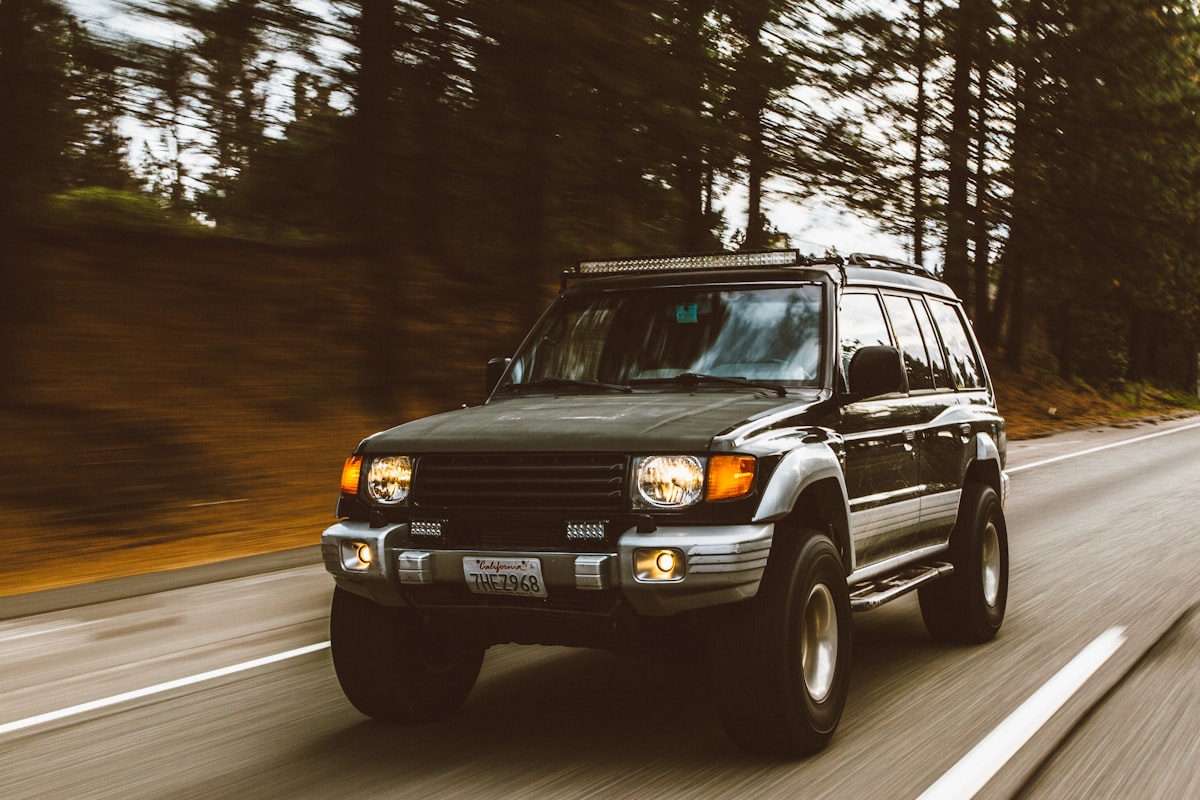
A small car is enough. No SUV needed: the main roads are surfaced, driving is on the right and journeys rarely exceed an hour. What does matter is booking early in high season — automatics and cheaper categories go fast.
Compare rental cars in Lanzarote
Where to base yourself
Puerto del Carmen is the most balanced base: beach, restaurants, atmosphere and a good position for reaching both north and south by car. Bus connections are also reasonable.
Costa Teguise works well for families and for combining beach with visits to Arrecife, Haría, Jameos del Agua or the Jardín de Cactus.
Playa Blanca is quieter and well placed for Papagayo beaches, the south and the ferry to Fuerteventura — but it is a long drive from the north of the island.
Arrecife is practical if you do not have a car and want bus access, the port and local life. It lacks the holiday feel of the other bases.
Routes where the car makes the difference
The clearest full-day route combines Timanfaya, La Geria, El Golfo and Los Hervideros. These are very different stops, reasonably close together, and with a car you can adjust timing to avoid the hottest part of the day and the biggest tour groups.
Another day worth planning is the north: Teguise, Haría, Mirador del Río, Jameos del Agua and Cueva de los Verdes. Parts of this are doable by bus, but not at the same pace.
And for beach lovers, Famara deserves a full, unhurried visit. It is a vast, windy and beautiful beach — ideal for late afternoon. With a car you can combine it with Teguise or a coastal loop.
Driving and parking
Driving in Lanzarote is easy. Roundabouts, open roads and no large urban centres to navigate. The trickier moments come at popular beaches or viewpoints in high season — arrive early.
In villages like Teguise or Haría, parking in the centre can be difficult on market days. Leave the car at the edge and walk in. In natural areas, use the designated parking spots — driving off-track or parking on volcanic terrain damages the landscape and can damage the car.
La Graciosa: you cannot take a rental car to the small island of La Graciosa. The standard approach is to drive to Órzola, park there and cross by ferry.
When not to rent a car
If you are spending half the week by the pool or doing organised excursions, renting for every day is unnecessary. A sensible formula is 3 days of car, concentrated on the routes above, and the rest by taxi or bus. You pay less, park less and still see what the island is actually about.
The point is not to depend on the car for everything — it is to use it where it adds something. In Lanzarote, that difference is clear from day one.
Ready to book your car?
Compare prices, free cancellation and pay at pickup. No surprises.
View rental prices →